What does it take to expand access to essential health products for women and girls?
Ahead of International Women’s Day 2026, we spoke with five MedAccess colleagues about their journeys and the ways their expertise is helping to create lasting impact for women’s health
6 March 2026 | Insight
At MedAccess, we are inspired by colleagues whose expertise in research, finance, law and leadership help accelerate access to medical innovations, including those that benefit women and girls. In this article, five of them reflect on their professional and personal journeys, showing how their dedication helps remove barriers and expand access. The theme for International Women’s Day 2026, Give to Gain, reminds us that supporting women and girls creates lasting impact, a mission at the heart of everything we do.
Emilie Grard, Health Investment Analyst

My commitment to advancing women’s health outcomes began during my academic career, where I focused on maternal health research and explored global health equity. These experiences revealed how structural barriers disproportionately affect women and girls, and how targeted, women-centred interventions can drive lasting change.
At MedAccess, I work at the intersection of finance, policy, and global health, helping to translate evidence into real-world impact. It is hugely motivating to contribute to initiatives that broaden access to essential health products, many of which directly benefit women and girls.
Investing in women’s health and championing female leadership are essential steps towards building stronger, more equitable health systems for everyone.
Dr Michelle Teo, Chief Investment Officer

Working in finance within global health means that capital allocation decisions influence who gains access to essential medicines and diagnostics. Diverse perspectives are particularly important. Leadership is not only about structuring transactions or managing risk. It is also about understanding how financial tools shape health systems, affordability and patient outcomes.
I began my career in medicine before moving into finance, and I have seen how women are well represented at entry level but underrepresented in senior leadership. Representation at the top matters because it broadens the range of voices in decision making and shows what progression can look like.
Mentorship has been important in my own journey. Practical guidance, sponsorship and honest feedback help individuals build confidence and technical depth. Over time, this strengthens both the diversity and quality of leadership within institutions.
Panayota Bird, Health Investment Director
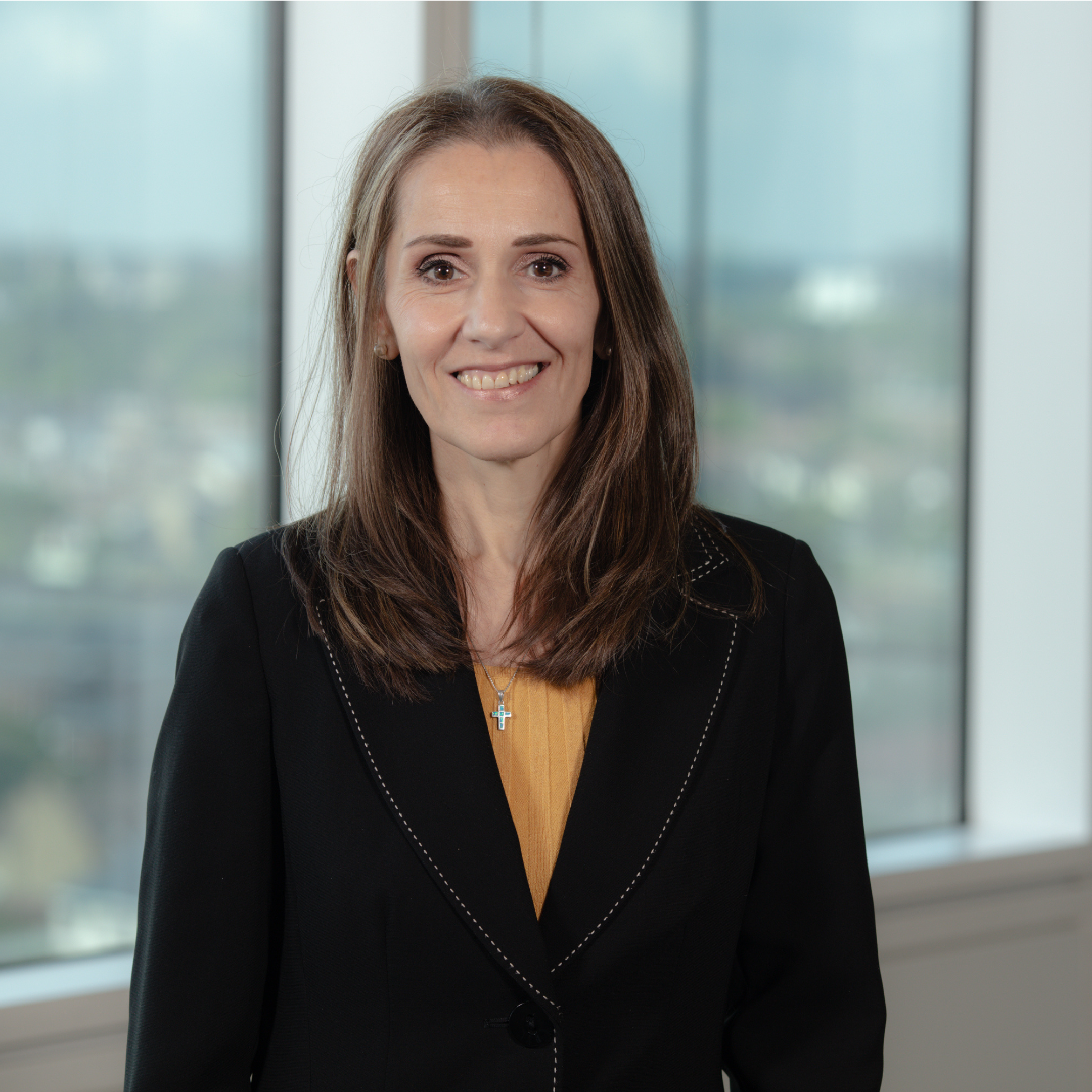
Equitable and inclusive leadership is an active commitment to valuing people’s lived experiences and building partnerships that serve those who face the greatest barriers. I grew up in Southern Africa, where my mother’s long battle with diabetes, kidney failure and heart disease revealed how overstretched public systems often rely on women’s sacrifice. She balanced transport costs, long queues and lost income each time she sought care.
When she finally accessed tools such as self-injector pens, I saw how the right innovations can bring hope and change a family’s trajectory. This was particularly significant given that my mother had previously lost three older siblings prematurely due to diabetes-related comorbidities. Education and healthcare subsidies shaped both her journey and mine, enabling me to study science and, later, build a career spanning more than three decades as a commercial and access leader in healthcare across country, regional and global roles.
As a female African leader, inclusive leadership means listening deeply and creating space where every woman is heard, supported and able to thrive, especially those from constrained households or communities where out-of-pocket payments remain a barrier. Today, at MedAccess, we work through bottom-up collaboration to reduce barriers, strengthen local capability and ensure essential life-saving innovations reach every woman and girl sustainably.
Sunayna Kainth, Senior Counsel

As an impact lawyer within a social finance institution, I often reflect on the quiet force of our work. Each agreement I structure with global health partners carries implications far beyond its legal architecture. At its core is the aspiration that women and girls receive life-saving vaccines and medicines, that they can access healthcare equitably, and that mothers and infants survive even the most complex childbirths.
Women lawyers from low- and middle-income countries bring not only technical expertise but also lived insight. We understand the realities of the women and girls whose lives may be shaped by the agreements we draft. The legal profession has sharpened my awareness of how authority is constructed, whose voices are legitimised, and which interests are elevated within systems of power.
Coming from a lower middle-income country, I am acutely aware of how social inequities shape public health priorities and resource distribution. For this reason, I am committed to advancing deliberate, equity-centred solutions for women’s health. To achieve this, technical precision is necessary but not sufficient, so my approach is grounded in cultural awareness and the determination to embed large-scale human impact into transactional frameworks.
Alice Eyers-York, Associate Finance & Operations Manager
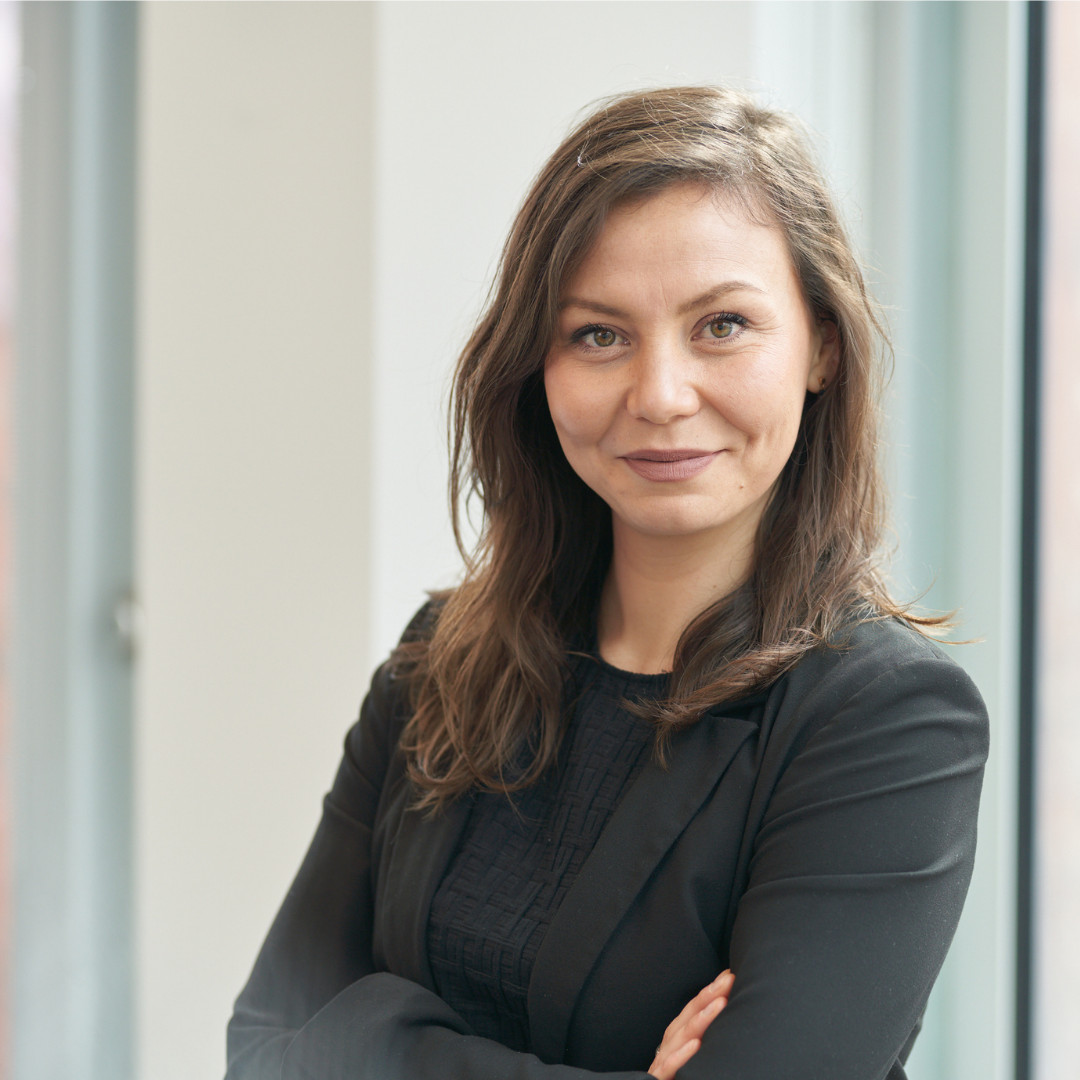
I began my corporate career as a receptionist, in roles where women were well represented and progression often felt visible and attainable. As I became interested in finance and moved into more senior spaces, I noticed a clear shift – these were environments where women were less represented, and confidence could feel harder to come by.
What helped bridge that gap was seeing the women who were already there. Their presence mattered – not because they stood out, but because they normalised the idea that finance is a space for diverse backgrounds and experiences. Alongside supportive colleagues and networks, that representation helped me feel able to step forward and keep learning.
Professional qualifications and on‑the‑job development have supported my progression, but inclusion is what has made it sustainable. Working in an organisation focused on improving access to healthcare for women and girls reinforces how important it is that opportunity, support and progression are accessible to all.