Agreement portfolio
We broker and finance agreements – which otherwise wouldn’t be made – to bring medical innovations to more people, in more countries as quickly as possible.
© The Global Fund / Andrew Esiebo / Panos
Our portfolio

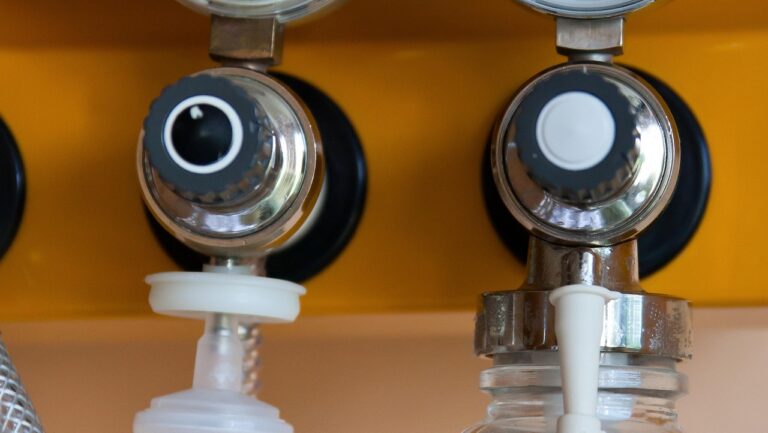
Hewatele: Medical oxygen
Product type: Treatment
Health area: Medical oxygen
Finance: Volume guarantee
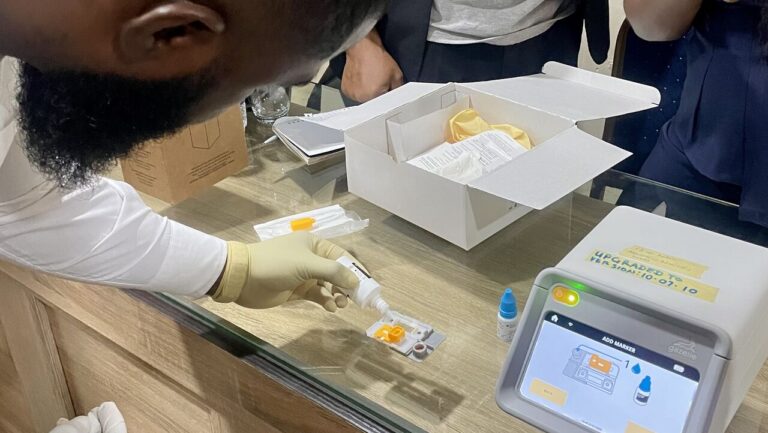
Hemex: Sickle cell disease diagnosis
Product type: Diagnostic
Health area: Sickle cell disease
Finance: Loan
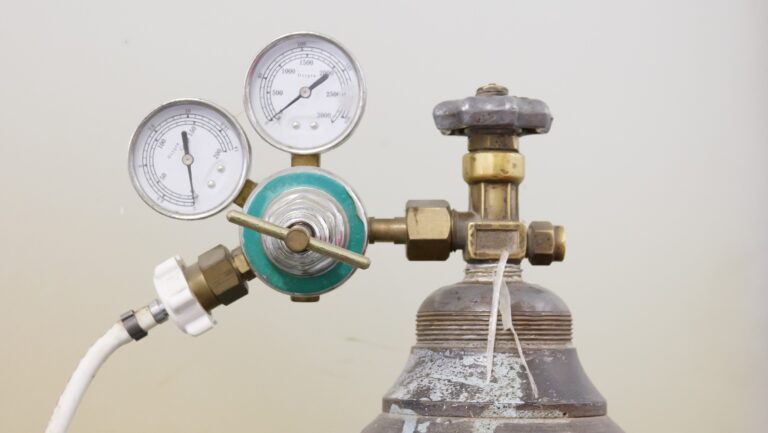
Synergy: Medical oxygen
Product type: Treatment
Health area: Medical oxygen
Finance: Volume guarantee
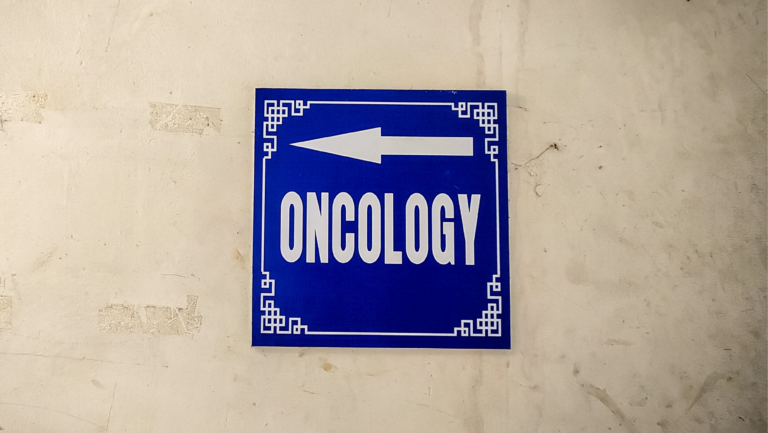
Elekta: Radiotherapy treatment
Product type: Treatment
Health area: Cancer
Finance: Volume guarantee

dsm-firmenich: Vitamin A for food fortification
Product type: Prevention
Health area: Nutrition
Finance: Volume guarantee
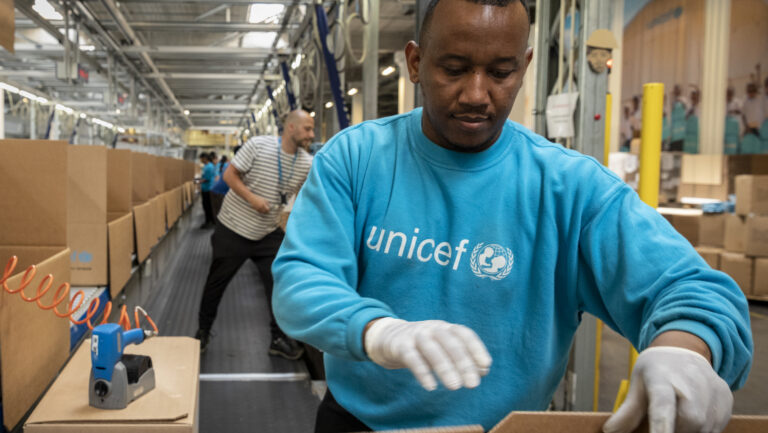
UNICEF: Medical supplies
Product type: Medical supplies
Health area: Various
Finance: Procurement guarantee
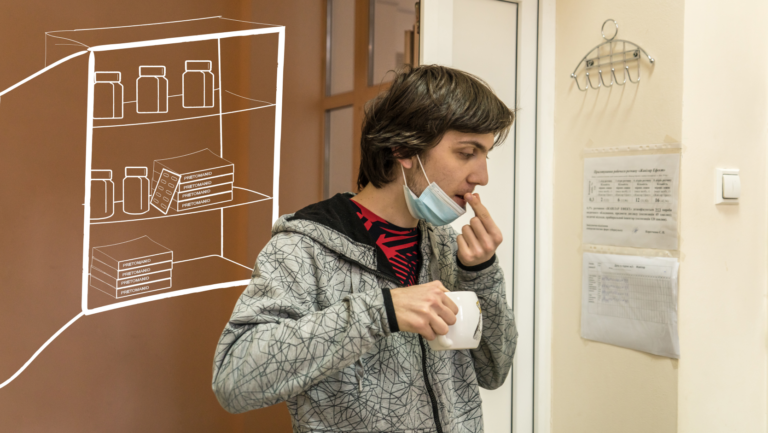
Viatris: Treatment for drug-resistant TB
Product type: Treatment
Health area: TB
Finance: Volume guarantee
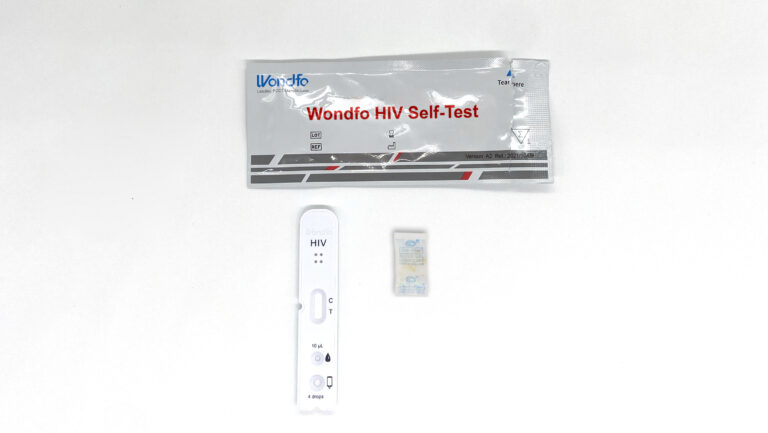
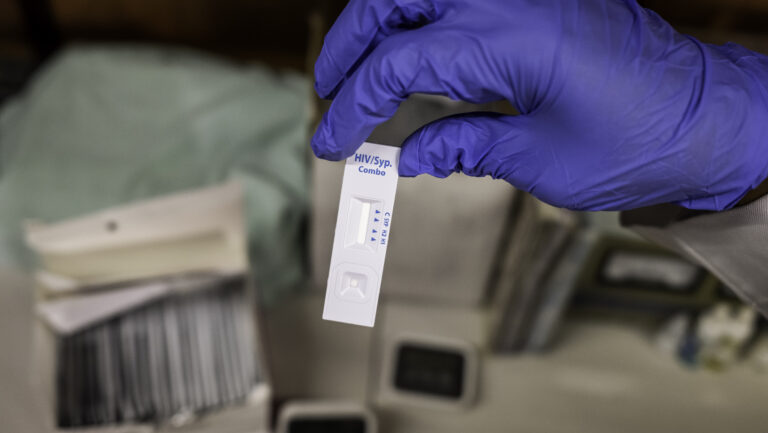
SD Biosensor: Dual test for HIV and syphilis
Product type: Diagnostic
Health area: HIV | Syphilis
Finance: Volume guarantee
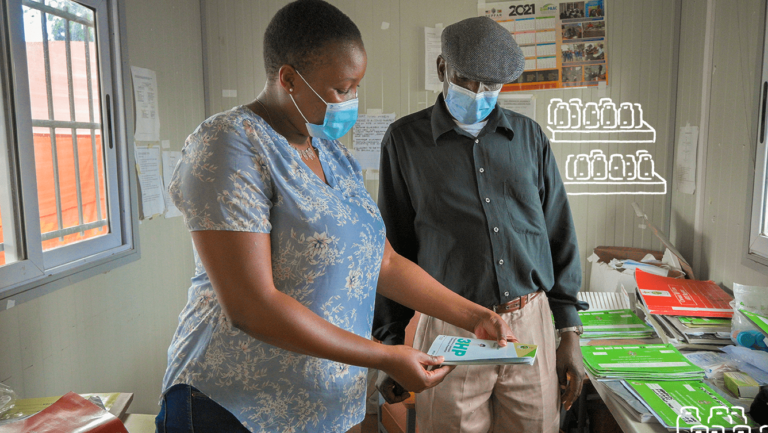
Macleods: 3HP latent TB treatment
Product type: Prevention
Health area: TB
Finance: Volume guarantee

GSK: RTS,S malaria vaccine
Product type: Vaccine
Health area: Malaria
Finance: Procurement guarantee

UNICEF: COVID-19 supplies
Product type: Prevention
Health area: COVID-19
Finance: Procurement guarantee
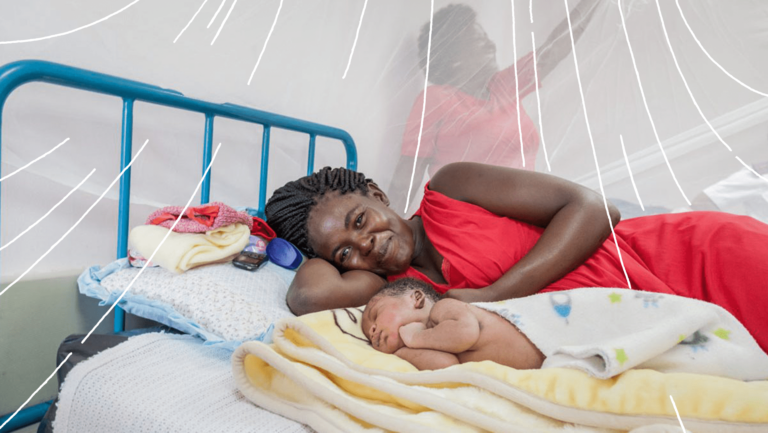
BASF: Next-generation mosquito nets
Product type: Prevention
Health area: Malaria
Finance: Volume guarantee
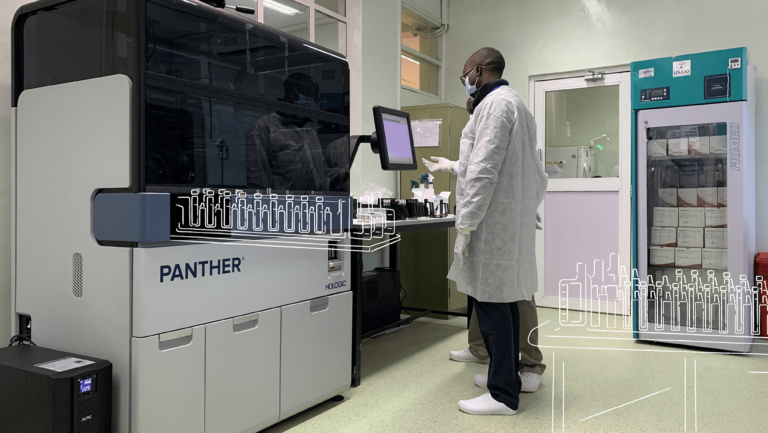
Hologic: Viral load testing
Product type: Diagnostic
Health area: COVID-19 | Hepatitis | HIV | HPV
Finance: Volume guarantee