Our impact: HIV
In 2025, 41 million people were living with HIV, 1.2 million people acquired the virus, and 570,000 people died from AIDS-related illnesses. MedAccess is working to increase access to health products that improve HIV prevention, diagnosis and treatment so people living with HIV can live longer, healthier lives.
© iStock/Artem_Egorov
Global HIV overview
HIV is a virus that attacks the body’s immune system. Without treatment, it can progress to AIDS, the most advanced stage of HIV infection, leaving people vulnerable to life-threatening infections and cancers. Although there is no cure for HIV, advances in prevention, testing, treatment and care mean that people can reduce the risk of passing on the infection and those living with HIV can live longer, healthier lives.
Since the peak of the epidemic in 2004, AIDS-related deaths have dropped by 73%. More than 32 million people are accessing lifesaving antiretroviral therapy (ART). New HIV infections and AIDS-related deaths are at their lowest levels in more than 30 years, and long-acting medicines that provide vaccine-like protection against HIV are transforming prevention.
Global progress is measured against the UNAIDS 95-95-95 targets, which aim for 95% of all people living with HIV to know their HIV status, 95% of people who know their HIV status to receive ART, and 95% of people on treatment to be virally suppressed by 2030.
In 2025, 88% of people living with HIV knew their HIV status, 89% of people who knew their HIV status were receiving ART, and 95% of those on ART achieved viral suppression.
The challenge
Despite this progress, HIV remains a major global health challenge. Nearly 9 million people are still living with undiagnosed HIV or are not yet receiving treatment. Recent cuts to international funding and HIV services threaten hard-won gains and have increased pressure on health systems in low- and middle-income countries.
Access to affordable, high-quality diagnostics and medicines is more important than ever to sustain progress towards ending AIDS as a public health threat.
“Despite enormous challenges, ending AIDS is still within reach… The choice before us is clear: retreat and risk resurgence, or rethink, rebuild and rise to end AIDS as a public health threat by 2030.”
Winnie Byanyima
Executive Director of UNAIDS
Our HIV agreements
Learn more about how we are increasing access to products that tackle HIV:
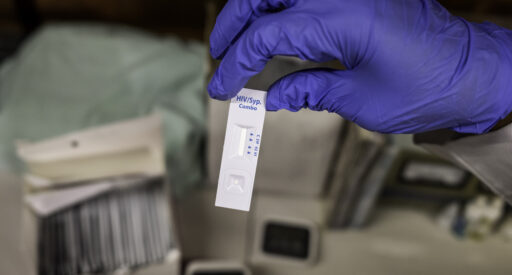
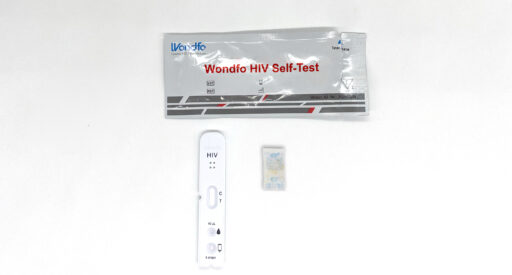
Our impact as of end-2025:
1.23m
additional people tested for HIV with Wondfo
932k
patients not virally suppressed identified with Hologic
770k
pregnant women with syphilis identified with SD Biosensor
Case study
Increasing access to viral load testing
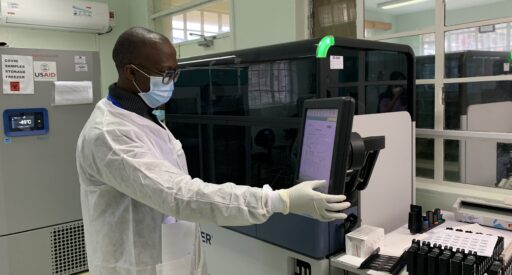
Viral load testing shows whether HIV treatment is working. This helps reduce the spread of the virus and prevents drug resistance. The World Health Organization (WHO) recommends testing six months after starting antiretroviral therapy (ART) and then every 12 months. When a person’s treatment is working, their viral load is suppressed, they stay healthier and they cannot transmit the virus. If it is not, their healthcare provider can switch them to another regimen.
In 2017, only 81% of people receiving ART were virally suppressed, and millions of people living with HIV lacked access to viral load testing. In many countries, high costs for diagnostic platforms and supplies, poor maintenance and limited operating budgets prevented regular testing.
Partnering with Hologic
From 2018 to 2022, MedAccess provided a volume guarantee to Hologic, enabling the company to offer the world’s first all-inclusive ceiling price of $12 per patient test on its Panther® platform. This price – a 50% reduction for some countries – included supplies and equipment maintenance.
In return for the lower price, MedAccess committed to make a shortfall payment to Hologic if patient volumes fell short of projections.
Generating sustained impact
By the end of the agreement in 2022, more than 932,000 people with unsuppressed HIV viral load had been identified, 457,000 people had switched to appropriate second-line treatment and 13 countries were using the Panther® platform for HIV viral load testing.
The guarantee changed the viral load testing market as Hologic’s per-patient-test price became the benchmark for global health purchasers. By the end of 2022, it had generated $45 million in savings for procurers including the Global Fund and PEPFAR, freeing funding for reinvestment in HIV programmes.
By making routine monitoring more affordable, MedAccess’ guarantee helped strengthen HIV treatment programmes. Alongside wider improvements in treatment and care, these advances contributed to 95% of people receiving ART achieving viral suppression by 2025, meeting UNAIDS’ target.
“Not knowing a patient’s viral load is like walking around in the dark with a pair of scissors. You don’t know who you will cut. Without knowing the viral load, you don’t know if the drugs are working. And if you don’t know if the drugs are working, the patient may be unknowingly transmitting HIV to others.”
Dr. N Kumarasamy
Infectious diseases doctor, Chennai, India