Our impact: TB
Tuberculosis (TB) is the world’s deadliest infectious disease, killing more than one million people every year. MedAccess is helping increase access to prevention and treatment for people with TB.
Global TB overview
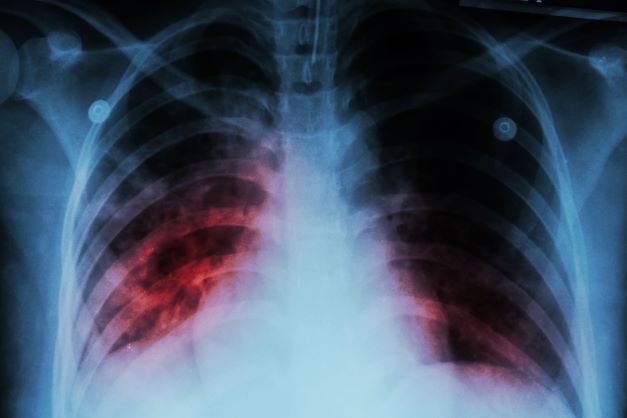
TB is an airborne disease caused by bacteria that most often affects the lungs, causing symptoms such as coughing (sometimes with blood), chest pain, fatigue and weight loss. In 2024, 10.7 million people fell ill with TB and 1.23 million people died, making TB the leading cause of death from an infectious disease and one of the world’s 10 leading causes of death overall.
TB mostly affects adults in their most productive years. While TB is present worldwide, it occurs disproportionately in lower-income countries where poverty, undernutrition, overcrowded living conditions and limited access to healthcare increase the risk of infection. In 2024, 87% of new TB cases occurred in just 30 low- and middle-income countries.
Global challenges
Globally, more than two billion people are infected with the TB bacteria, a condition called latent TB. Most of these people will never develop TB. But 5-10% of them will.
Babies and young children exposed to TB bacteria are more likely to develop the disease, as are people with weakened immune systems, including people living with HIV, who are 14 times more likely to develop TB than people without HIV.
Drug-resistant TB, when the disease becomes resistant to one or more of the antibiotics used to treat it, is a major contributor to antimicrobial resistance worldwide and poses a threat to global health security. Treating drug-resistant TB is longer, costlier, and not always successful. Of the approximately 390,000 people who developed drug-resistant TB in 2024, only 40% accessed treatment.
TB is preventable and curable with antibiotics. Untreated, it is usually fatal. An untreated person with TB can continue to pass the disease to others by coughing, sneezing or spitting. Increasing access to affordable, effective preventive therapy and treatment is critical to stopping TB.
“The fact that TB continues to claim more than one million lives each year, despite being preventable and curable, is simply unconscionable.”
Dr Tedros Adhanom Ghebreyesus
WHO Director-General
Our tuberculosis agreements
Learn more about how we are accelerating access to products that prevent or treat TB:
Our impact as of end-2025:
661k
additional people completed treatment with 3HP
1.3m
approximate cases of latent TB in household contacts averted
46,200
additional people cured or completing treatment with BPaLM (pretomanid)
Case study
Lowering costs for drug-resistant TB treatment
Drug-resistant TB, when bacteria become resistant to standard antibiotics, is one of the deadliest forms of antimicrobial resistance. Previously available treatments required up to 20 pills a day for as long as 20 months, often with toxic side effects. As a result, many patients stopped taking the medicine, and treatment success rates in 2020 were just 64%.
In 2022, the World Health Organization recommended BPaLM, a six-month regimen combining relatively new drugs: bedaquiline and pretomanid plus linezolid and moxifloxacin. The regimen is shorter, more effective and has fewer side effects, but the higher price that often accompanies new products initially put it out of reach for many patients.
Partnering with Viatris and TB Alliance
TB Alliance developed pretomanid, the Pa in BPaLM, and granted non-exclusive licences for high-burden, low- and middle-income countries to several manufacturers, including Viatris.
In December 2022, MedAccess worked with Viatris and TB Alliance to reduce the price of pretomanid by 34% for more than 130 low- and middle-income countries, bringing the overall cost of BPaLM closer to the target price recommended by TB advocates.
MedAccess provided Viatris with a volume guarantee in return for the lower price. If sales fall short of agreed targets, MedAccess will make a payment to the manufacturer, reducing financial risk and giving Viatris the assurance needed to maintain production and affordable pricing.
Generating sustained impact
By the end of 2025, the partnership had contributed to an additional 46,200 patients being successfully treated with BPaLM, helped avert 39,700 health complications requiring hospitalisation or causing disability, and saved governments, non-governmental organisations and public sector procurers $20.4 million – savings that can be reinvested in TB care.
Thanks to new treatments like BPaLM and wider efforts to improve TB care, treatment success rates for drug-resistant TB rose from 64% in 2020 to 71% for people who started treatment in 2022.
“We have the tools to end TB by 2030 but annual budgets for the response are currently half of what is needed. So, paying a lower price for a shorter and much more effective drug-resistant TB regimen will be a big step forward.”
Lucica Ditiu
Executive Director, Stop TB Partnership