MedAccess today reported a record-breaking year for new agreements to accelerate access to healthcare products in a year of seismic change for global health, as funding tightened, systems fragmented and countries took on greater control of their health priorities.
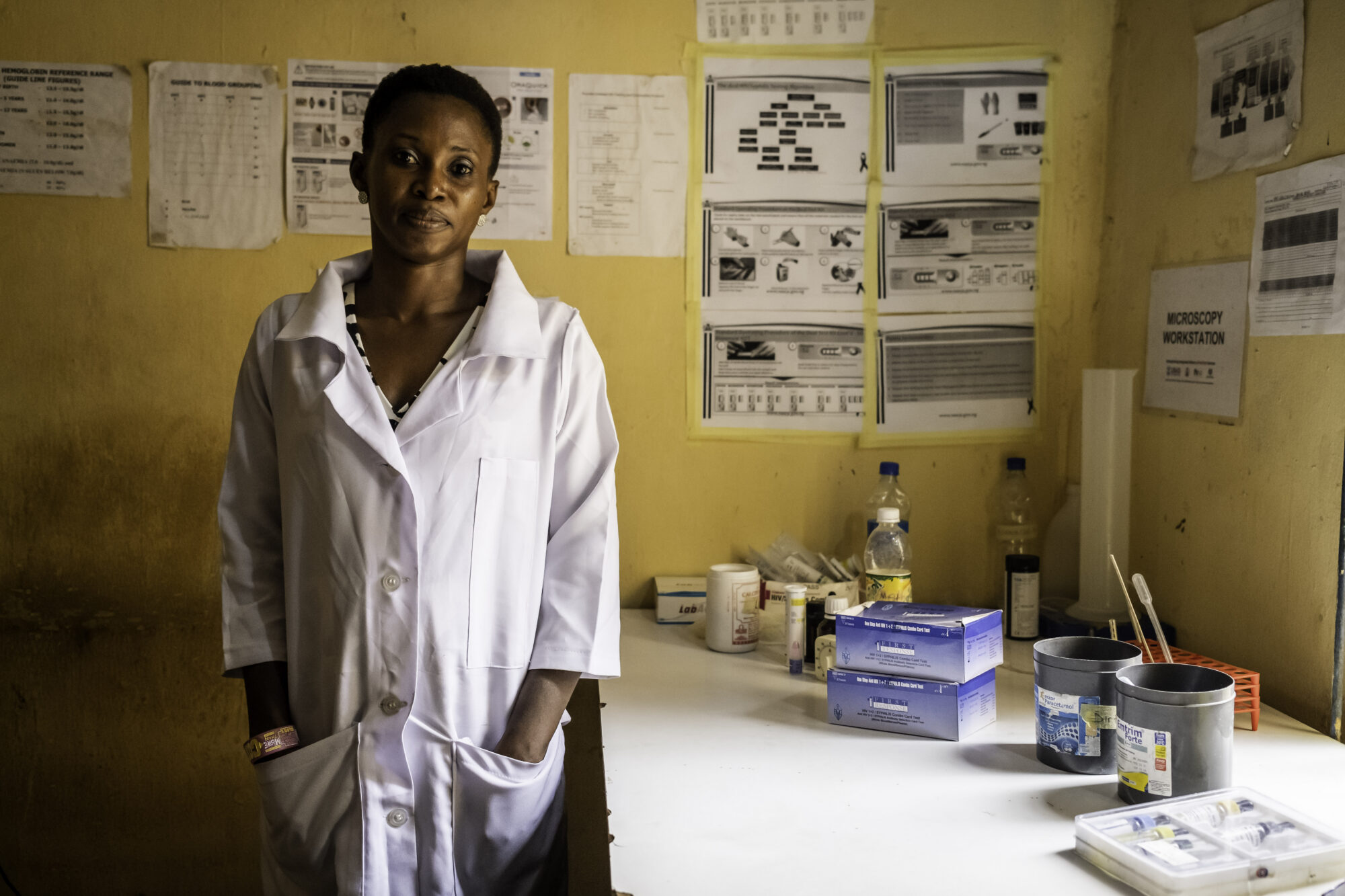
The social enterprise’s Annual Review and Accounts also details cumulative impact across a range of health areas to the end of 2025, including 2.6 million children vaccinated against malaria, 162,000 stillbirths averted through increased access to dual testing for HIV and syphilis, and 46,200 people with multidrug-resistant tuberculosis completing recommended treatment.
Across its portfolio, MedAccess’ agreements are also delivering economic impact, helping manufacturers enter 24 new markets, unlocking significant savings for health systems and expanding access to essential products.
MedAccess broke new ground in 2025, entering new health areas, forming new partnerships and setting out priorities for the new era in global health:
- Among the six new agreements was MedAccess’ first in cancer, nutrition and medical oxygen. MedAccess also deployed its first loan, to support another new health area, sickle cell disease.
- MedAccess entered into new partnerships to bring the power of innovative finance and market shaping to new areas. The European Investment Bank (EIB) provided MedAccess with a Guarantee Agreement worth up to €52 million to help boost medical supplies across Africa. MedAccess has also begun scoping market shaping opportunities for mental health products thanks to funding from a new partnership with the Wellcome Trust.
- MedAccess met the opportunities and challenges of the new global health era head-on, developing five priorities for market shaping interventions to support countries, regional health bodies and global health organisations to accelerate access to health products.
During 2025, MedAccess retained a strong balance sheet whilst increasing exposure through new agreements. This financial strength enables MedAccess to pursue agreements across multiple health areas and product types – including vaccines, diagnostics, treatments and other prevention tools – using innovative financing tools that reduce risk for manufacturers and buyers, enabling lower prices and more reliable supply.