Menu

Viatris: Treatment for drug-resistant TB

Pretomanid is used with other anti-TB drugs to form a highly effective, shorter regimen for drug-resistant tuberculosis.

Since 2022, we have partnered with Viatris and the TB Alliance using a volume guarantee to help reduce the price of pretomanid, increasing access in countries with a high TB burden.

The challenge

Public health

Tuberculosis (TB) is one of the world’s most deadly infectious diseases. In 2022, when this agreement was signed, more than 1.1 million people died from the disease. TB is preventable and curable but can require specialised treatment if resistant to first line antibiotics. Drug-resistant tuberculosis (DR-TB) is increasingly a global public health crisis, with cases identified on every continent.

In 2022, the World Health Organization (WHO) estimated that 410,000 people are living with DR-TB and approximately 150,000 received treatment. Of those who began treatment in 2020, only 64% were treated successfully. This is partly because previously recommended treatment options required patients to take up to 20 pills per day for up to 20 months. Some of the drugs have toxic side effects, making adherence a challenge.

In 2022, the WHO recommended a treatment regimen called BPaLM that is only six months and includes newer, more effective TB drugs. Trials found the regimen to be more than 89% effective in curing patients with multidrug-resistant TB.

Market situation

Pretomanid (the Pa in BPaLM) was developed by the TB Alliance, which has granted non-exclusive licenses for high-burden, low- and middle-income countries to multiple drug manufacturers, including Viatris.

When the WHO recommended BPaLM, the regimen was much more expensive than the standard of care, meaning procurers and governments faced difficult decisions with limited budgets.

In December 2022, MedAccess, Viatris and the TB Alliance announced that Viatris had agreed to reduce the price of pretomanid by 34% in more than 130 low- and middle-income countries. This price reduction brought the overall price of the BPaLM regimen much closer to current treatment costs, allowing countries to more easily switch to this new, more effective regimen, and is made possible by a volume guarantee agreement.

Impact to date

By the end of 2025:

46,200

additional patients cured or completing treatment

39,700

adverse health events averted

$20.4m

saved for procurers

The product

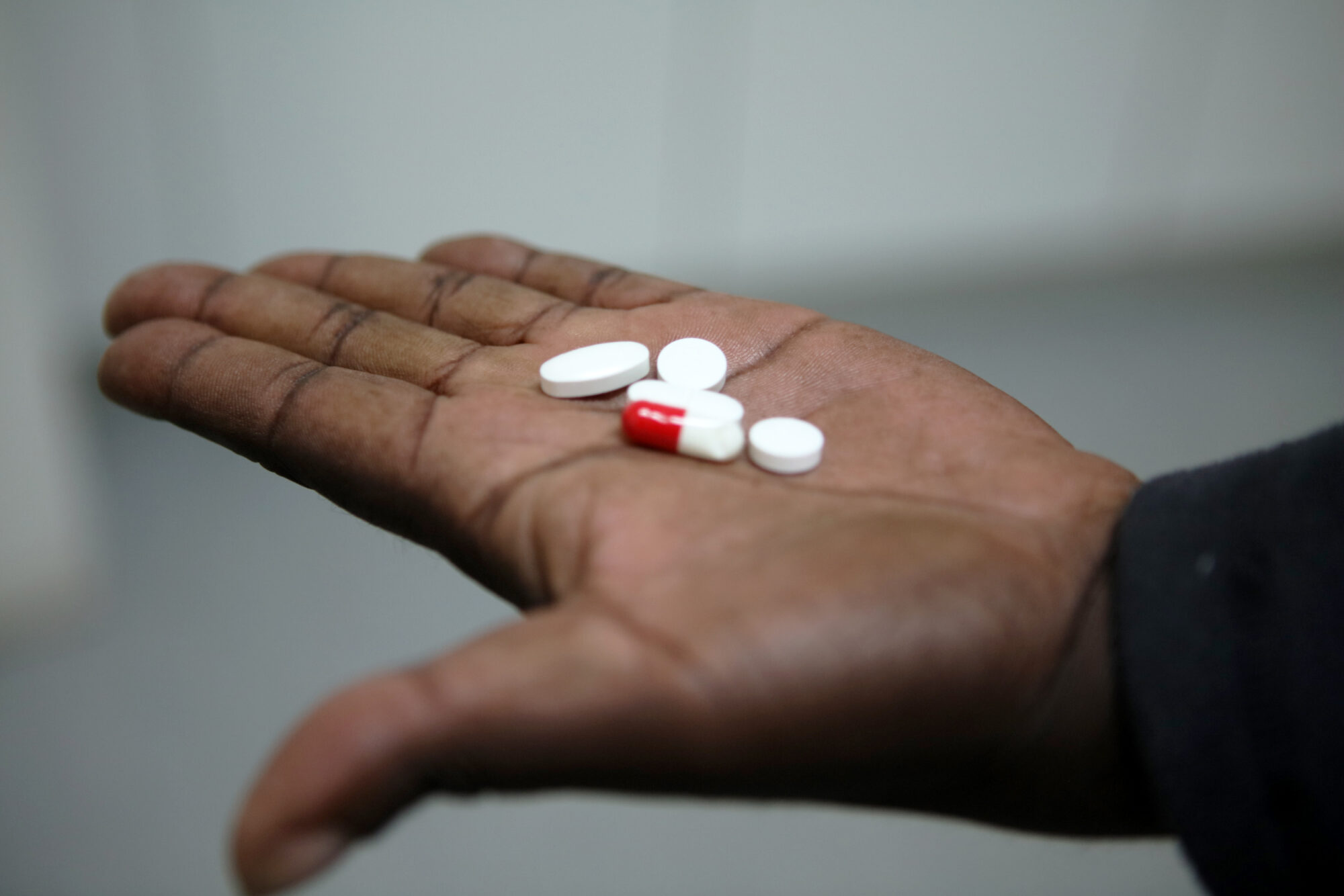
Pretomanid is used with other anti-TB drugs to form a highly effective treatment regimen. This all-oral, six-month regimen was recommended by the WHO in December 2022 as the preferred option for most people with DR-TB. The regimen (BPaLM) is made up of:

  • bedaquiline (B)
  • pretomanid (Pa)
  • linezolid (L)
  • and moxifloxacin (M)
More about pretomanid

The partnership

MedAccess provided a volume guarantee to Viatris.

Viatris has agreed to reduce the price of pretomanid in over 130 low- and middle-income countries and will continue to produce and supply pretomanid, increasing availability and access.

The new ceiling price is available to more than 130 governments, and NGOs and public sector procurers purchasing pretomanid in those countries.

This price reduction, coupled with a price reduction on bedaquiline in August 2023 reduced the cost of BPaLM to below $500 per six-month patient course.

TB Alliance first developed six-month drug-resistant TB treatment regimens and helped facilitate the volume guarantee. TB Alliance is also supporting countries to plan for and scale up introduction of the BPaLM regimen.

Our innovative finance products

Impact projections

Our guarantee has reduced the price of pretomanid by 34% when compared to previously offered prices, in more than 130 low- and middle-income countries. This price reduction brings the price of BPaLM much closer to the cost of previously recommended MDR-TB treatment regimens, allowing countries to more easily switch to this new, more effective regimen and accelerating access to innovative treatments.

This agreement also sets a benchmark price for future generic entrants and increases competition in the TB market by supporting a newer entrant.

The partnership will support countries to switch to this new WHO-recommended regimen and facilitate widespread uptake of this highly effective treatment.

We estimate that the partnership will contribute to:

  • enable an additional 36,000 patients to be treated successfully with BPaLM
  • help avert 31,000 potential adverse events that require hospitalisation or cause disability as patients switch from the current standard-of-care
  • save governments and global procurers more than $15.6 million, with additional savings for national healthcare budgets as they care for fewer patients with long-term DR-TB.

How we calculate the impact of this agreement

Lives changed

Downstream patient outcomes were estimated based on final results of the TB PRACTECAL study presented at TB Union 2022, and represent relative risk as compared to current standard-of-care regimens.

Money saved

Impact is estimated based on actual price reductions for pretomanid over the course of the volume guarantee, taking into account expected market dynamics.

Markets shaped

We work with partners, including donors, procurers and Ministries of Health, to track changes in health markets where our investments are supporting access to products. We monitor for changes to policy, procurement practices and supplier movement, all of which affect markets and contribute to the long-term sustainability of impact.
Elekta: Radiotherapy treatment

Over 50% of cancer patients need radiotherapy as part of their treatment, but access is low across Africa.

In 2025, MedAccess provided a volume guarantee to Elekta to deliver a new, innovative pay-per-use model for radiotherapy treatment in Kenya and Tanzania.

© Parasmani Pradhan/Shutterstock.com

The challenge

Public health

Cancer is becoming a major health issue in Africa. In 2024, there were 1.2 million new cancer cases and over 720,000 people died from the disease. Experts predict that by 2050, the number of new cancer cases will more than double.

One of the biggest challenges is that over 70% of cancer cases are diagnosed at advanced stages, making treatment less effective and increasing the need for radiotherapy.

However, only 33 out of 54 African countries report having access to radiotherapy technology, even though 50% of cancer patients need it as part of their treatment.

Market situation

The International Atomic Energy Agency suggests that there should be one radiotherapy machine for every 250,000 people. To meet this standard, Africa would need 6,000 radiotherapy machines, but it currently has far fewer at just 660.

The number of radiotherapy machines – and access to those that are installed – in Africa is very limited. Countries often get into a situation where they have paid significant up-front costs for the machines and then have significant additional maintenance costs to keep the machines running.

In countries where domestic resources for health are tight, they are unable to work with that level of unpredictability and therefore either stop using the machines, cannot use them during long periods of downtime, or don’t purchase them in the first place.

The product

Radiotherapy is effective at treating many types of cancer in most parts of the body. It uses high energy radiation beams to damage the DNA of cancer cells, causing them to stop dividing or killing them entirely. There are two main forms of radiotherapy equipment: external-beam radiotherapy (EBRT) using linear accelerators (LINACs) and brachytherapy.

The two Elekta products in our partnership include:

  1. Elekta Infinity (LINAC): Its flexibility enables operators to treat a diverse range of patients on one multifunctional platform. Patients experience reduced treatment time due to its high performance, enabling more patients to be treated by each machine.
  2. Elekta Flexitron (brachytherapy): Its intuitive user interface gives operators the confidence that they are delivering treatment in the safest and most efficient way. Its logical workflow enables precision and accuracy for the best patient care.

The partnership

MedAccess has partnered with Elekta with the aim of increasing access to radiotherapy machines and services to public and public-private healthcare facilities in Kenya and Tanzania. With support from MedAccess’ volume guarantee, Elekta is able to offer an innovative pay-per-use model, to make its machines more sustainable for domestic governments.

Instead of buying the equipment outright, countries can pay an upfront fee and then make additional payments each time patients are initiated on treatment. This model reduces the initial cost of the machinery and improves procurement practices by making the process more transparent.

For each machine that Elekta successfully installs, MedAccess guarantees a minimum number of patients will receive care. If the number of patients falls short, MedAccess will cover the difference.

Impact projections

This initiative aims to make radiotherapy more accessible in Kenya and Tanzania, supporting governments to implement their national cancer strategies and increasing the number of cancer patients receiving the treatment they need.

The pay-per-use financing model is expected to encourage investment into cancer diagnosis and treatment by simplifying the payment structure, reducing up-front costs, enabling governments to adopt service and maintenance and achieve higher machine uptime.

Lives changed

Based on projected machine installations under the agreement, in the first six years after installation an estimated additional 22,400 cancer patients, who would not have received treatment otherwise, could be treated. This contributes to an estimated 1,700 more people surviving for at least five years post-treatment.

Markets shaped

By reducing the upfront capital commitment to machinery, this initiative can speed up the expansion of radiotherapy services. The pay-per-use model makes procurement practices more transparent, which makes the process more efficient and reliable. It also increases competition, which can lead to better services and innovations in the long run.

Additionally, the partnership improves supply security by simplifying the financing model, ensuring that the necessary equipment is available when needed. The partnership can function as a proof-of-concept for this model, setting new standard pricing for pay-per-patient schemes which can help make treatments more affordable on a per patient basis.

How we calculate the impact of this agreement

Lives changed

Downstream patient outcomes are estimated based on cancer incidence in Kenya and Tanzania, most recent estimates of cancer survival rates in low- and middle-income countries, and the estimated impact of radiotherapy treatment on 5-year survival rates post-treatment.

Money saved

Impact is estimated based on current financing models for medical equipment, funded by public procurers in Kenya and Tanzania.

Markets shaped

We work with partners, including donors, procurers and Ministries of Health, to track changes in health markets where our investments are supporting access to products. We monitor for changes to policy, procurement practices and supplier movement, all of which affect markets and contribute to the long-term sustainability of impact.
Synergy: Medical oxygen

Medical oxygen is essential for both routine and critical care, yet supplies across East Africa remain limited.

Since 2025, we have partnered with Kenyan supplier Synergy, providing a volume guarantee to increase access to locally produced oxygen as part of the East Africa Programme on Oxygen Access (EAPOA).

© olovedog / iStock

The challenge

Public health 

Low blood oxygen, or hypoxemia, is a serious problem caused by issues with blood flow or breathing. It can occur with anaemia, heart disease, tuberculosis, asthma, COPD, and pneumonia, and is a major risk during surgery, labour and delivery. 

In low- and middle-income countries (LMICs), one in six children under five and one in five newborns admitted to hospitals suffer from hypoxemia. Also, 15% of pregnant women may face life-threatening complications needing emergency oxygen. Hypoxemia can increase the risk of death by up to seven times, causing over one million preventable deaths yearly in these countries. 

The only treatment for hypoxemia is medical oxygen. It is deemed essential but is underfunded. Up to 56% of healthcare facilities in LMICs struggle with limited or no oxygen supply. Access to oxygen in East Africa is even lower; reports indicate that in Kenya and Tanzania, fewer than 40% of public healthcare facilities have oxygen consistently available. 

Market situation

In LMICs, hospitals and clinics often buy oxygen in small amounts, which means they pay more because they can’t get bulk discounts. They usually buy oxygen in cylinders and have to transport it over long distances, which adds to the cost. This process is expensive and inefficient, making it hard for health facilities to afford enough oxygen. As a result, demand remains limited discouraging investment in better oxygen production and distribution systems.

The COVID-19 pandemic highlighted the need for better oxygen systems. While many initiatives have focused on raising funds and improving oxygen storage and distribution, there has been less emphasis on increasing a sustainable oxygen supply. This broader focus is essential to ensure that oxygen systems are strong and reliable, not just during pandemics but at all times. 

Projected impact

By 2029:

Note: These are projections for the combined impact generated by volume guarantees for Hewatele and Synergy. 

840,000

Patients receiving oxygen supplied under our volume guarantees

126,000

Critically-ill patients receiving oxygen

$6m

Savings for procurers, including hospitals and regional health authorities

The product

Medical oxygen can be manufactured either in liquid or gaseous form. Because it takes up far less space than gas, liquid oxygen is easier to store, transport, and deliver at scale – making it more cost-effective.

On delivery to the health facility, liquid oxygen is stored in on-site tanks, piped through centralised piping and vaporised at the patient’s bedside.

Synergy will manufacture liquid oxygen at its new state-of-the-art facility near Kilifi County, Kenya, which is currently under construction, as part of the EAPOA’s efforts to boost regional production of medical-grade liquid oxygen.

The partnership

MedAccess provided a volume guarantee to Synergy Gases Ltd.

Synergy has agreed to provide medical oxygen at a ceiling price of KSH 165 (US$ 1.27) / liquid litre ex-works from its production facility in Kilifi County. This is an estimated reduction of more than 25% vs. current market prices.

The EAPOA partners are providing a range of targeted support. Funded by Unitaid, with contributions from Canada and Japan, the programme uses a blended financing model that combines catalytic grant funding with market-shaping tools such as volume guarantees, provided by MedAccess where appropriate. The implementation of the project is led by CHAI in collaboration with PATH and the governments of Kenya and Tanzania.

Impact projections

MedAccess’ first agreement with a local manufacturer focused on a regional market will increase access to a lifesaving health product whilst strengthening a fragmented, volatile market.

Lives changed

We project that hospitals and health facilities will be able to provide access to oxygen for an additional 261,000 over the four-year lifespan of this agreement. Of these people, we project that 39,000 will be critically ill and in urgent need of oxygen.

Money saved

We project that procurers – including local health authorities and individual hospitals – will benefit from cost savings of more than $3 million.

Markets shaped

We project that this guarantee will improve supply security for oxygen in Kenya and across East Africa by strengthening local manufacturing, increasing competition in the market and improving transparency in procurement of oxygen.

How we calculate the impact of this agreement

Lives changed

Patient outcomes are estimated based on the proportion of patients in hospitals receiving oxygen expected to be in critical care.

Money saved

Direct savings are estimated based on current available market prices for liquid oxygen in Kenya and Tanzania.

Markets shaped

We work with partners, including donors, procurers and Ministries of Health, to track changes in health markets where our investments are supporting access to products. We monitor for changes to policy, procurement practices and supplier movement, all of which affect markets and contribute to the long-term sustainability of impact.

Hewatele: Medical oxygen

Medical oxygen is essential for both routine and critical care, yet supplies across East Africa remain limited.

Since 2025, we have partnered with Kenyan supplier Hewatele, providing a volume guarantee to increase access to locally produced oxygen as part of the East Africa Programme on Oxygen Access (EAPOA).

The challenge

Public health

Low blood oxygen, or hypoxemia, is a serious problem caused by issues with blood flow or breathing. It can occur with anaemia, heart disease, tuberculosis, asthma, COPD, and pneumonia, and is a major risk during surgery, labour and delivery.

In low- and middle-income countries (LMICs), one in six children under five and one in five newborns admitted to hospitals suffer from hypoxemia. Also, 15% of pregnant women may face life-threatening complications needing emergency oxygen. Hypoxemia can increase the risk of death by up to seven times, causing over one million preventable deaths yearly in these countries.

The only treatment for hypoxemia is medical oxygen. It is deemed essential but is underfunded. Up to 56% of healthcare facilities in LMICs struggle with limited or no oxygen supply. Access to oxygen in East Africa is even lower; reports indicate that in Kenya and Tanzania, fewer than 40% of public healthcare facilities have oxygen consistently available.

Market situation

In LMICs, hospitals and clinics often buy oxygen in small amounts, which means they pay more because they can’t get bulk discounts. They usually buy oxygen in cylinders and have to transport it over long distances, which adds to the cost. This process is expensive and inefficient, making it hard for health facilities to afford enough oxygen. As a result, demand remains limited discouraging investment in better oxygen production and distribution systems.

The COVID-19 pandemic highlighted the need for better oxygen systems. While many initiatives have focused on raising funds and improving oxygen storage and distribution, there has been less emphasis on increasing a sustainable oxygen supply. This broader focus is essential to ensure that oxygen systems are strong and reliable, not just during pandemics but at all times.

Projected impact

By 2029:

Note: These are projections for the combined impact generated by volume guarantees for Hewatele and Synergy. 

840,000

patients receiving oxygen supplied under our volume guarantees

126,000

critically-ill patients receiving oxygen

$6m

savings for procurers, including hospitals and regional health authorities

The product

Medical oxygen can be manufactured either in liquid or gaseous form. Because it takes up far less space than gas, liquid oxygen is easier to store, transport, and deliver at scale – making it more cost-effective.

On delivery to the health facility, liquid oxygen is stored in on-site tanks, piped through centralised piping and vaporised at the patient’s bedside.

Hewatele will manufacture liquid oxygen at its new state-of-the-art facility near Nairobi, Kenya, which is currently under construction, as part of the EAPOA’s efforts to boost regional production of medical-grade liquid oxygen.

The partnership

MedAccess provided a volume guarantee to Hewatele Limited.

Hewatele has agreed to provide medical oxygen at a ceiling price of KSH 165 (US$ 1.27)/kg ex-works from its production facility near Nairobi. This is an estimated ~20% reduction vs. current market prices.

This agreement complements a volume guarantee provided to Synergy, a Kenyan oxygen manufacturer, in July 2025. It is part of the EAPOA programme, which aims to increase access to oxygen in East Africa. The EAPOA partners are providing a range of targeted support. Funded by Unitaid, with contributions from Canada and Japan, the programme uses a blended financing model that combines catalytic grant funding with market-shaping tools such as volume guarantees, provided by MedAccess where appropriate. The implementation of the project is led by CHAI in collaboration with PATH and the governments of Kenya and Tanzania.

Impact projections

Our agreements with local manufacturers focused on regional markets will increase access to a lifesaving health product whilst strengthening a fragmented, volatile market.

Lives changed

We project that hospitals and health facilities will be able to provide access to oxygen for a total 840,000 patients as part of the EAPOA. Of these patients, we project that 126,000 will be critically ill and in urgent need of oxygen.

Money saved

We project that procurers – including local health authorities and individual hospitals – will benefit from cost savings of more than $6 million.

Markets shaped

We project that this guarantee will improve supply security for oxygen in Kenya and across East Africa by strengthening local manufacturing, increasing competition in the market and improving transparency in procurement of oxygen.

How we calculate the impact of this agreement

Lives changed: Patient outcomes are estimated based on the proportion of patients in hospitals receiving oxygen expected to be in critical care.

Money saved: Direct savings are estimated based on current available market prices for liquid oxygen in Kenya and Tanzania.

Markets shaped: We work with partners, including donors, procurers and Ministries of Health, to track changes in health markets where our investments are supporting access to products. We monitor for changes to policy, procurement practices and supplier movement, all of which affect markets and contribute to the long-term sustainability of impact.
Subscribe to our newsletter

Receive regular updates about how our innovative finance work is making healthcare products more affordable and accessible.

"*" indicates required fields

This field is for validation purposes and should be left unchanged.
Close