Menu

Wondfo: HIV self-test

Self-testing enables people at risk of HIV to test themselves quickly, conveniently and discreetly.

Since 2022, we have supported Wondfo with a volume guarantee to offer its HIV self-test at a record low price, helping national HIV programmes expand use among key populations.

The challenge

Public health

HIV causes AIDS, which is one of the leading causes of death by infectious disease. In 2022, more than 5 million people living with HIV did not know their HIV status, meaning they are not on treatment and are at risk of developing AIDS-related illnesses and unknowingly passing the virus on. Testing is the gateway to accessing HIV prevention, treatment, and care.

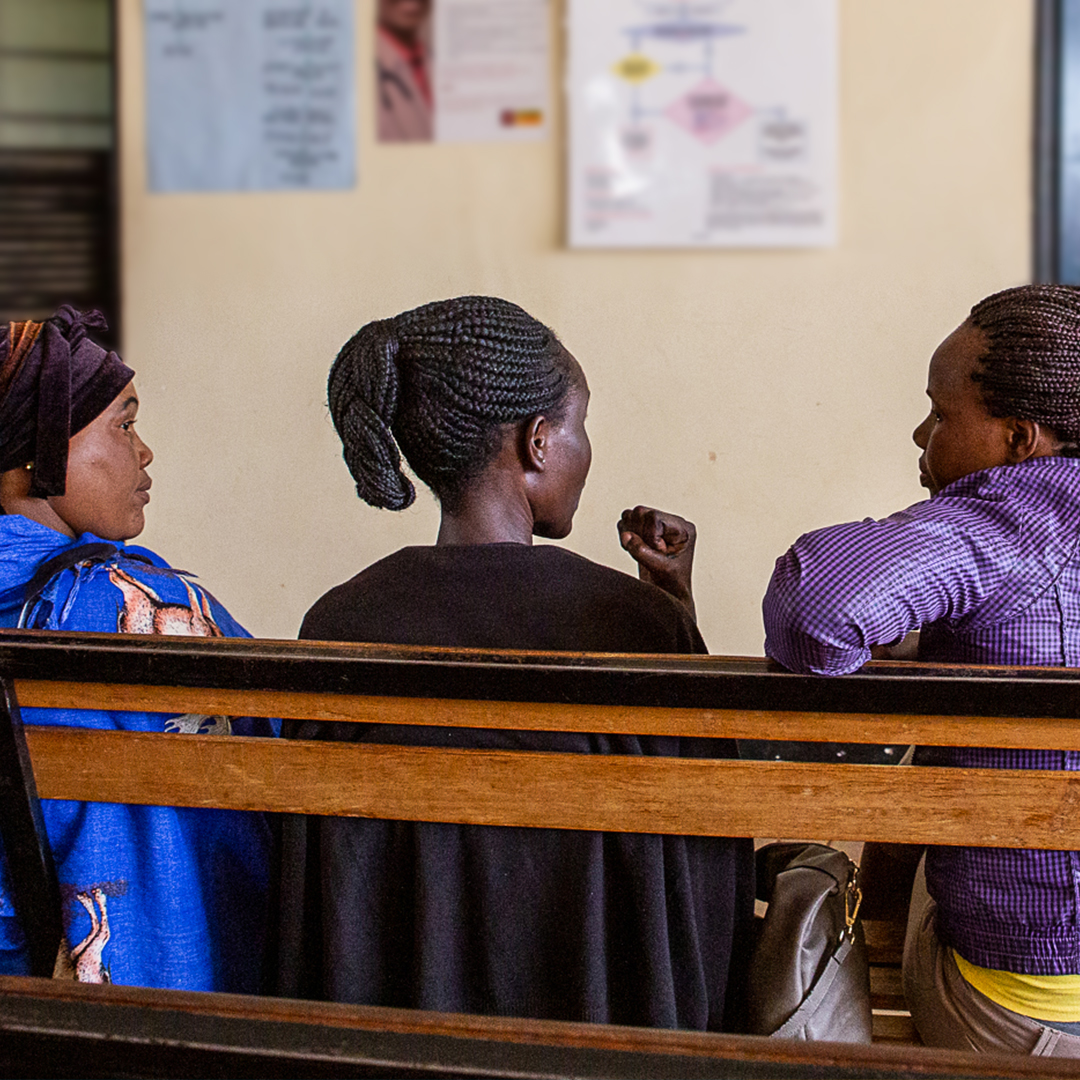
Current HIV testing strategies are not effectively reaching priority populations, such as people who use drugs, sex workers and LGBTI people. People from these groups often face stigma, discrimination, and even criminalisation if they seek an HIV test at a clinic. The World Health Organization (WHO) recommends countries implement self-testing as part of HIV testing services.

Market situation

WHO prequalified HIV self-tests have been available since 2016. They are not widely used in lower-income countries because of their historically higher costs compared to professional-use tests offered in health facilities.

Global health organisations have provided a lot of support to introduce and scale-up HIV self-testing, with six suppliers now providing WHO-prequalified tests. However, the market remains dominated by a single company, leading to higher prices and limited use as donors and countries face pressure on HIV budgets.

Impact

By the end of 2025:

An additional

1.23m

people tested for HIV

An additional

19,800

people living with HIV starting treatment

$1.12m

in savings for procurers

The product

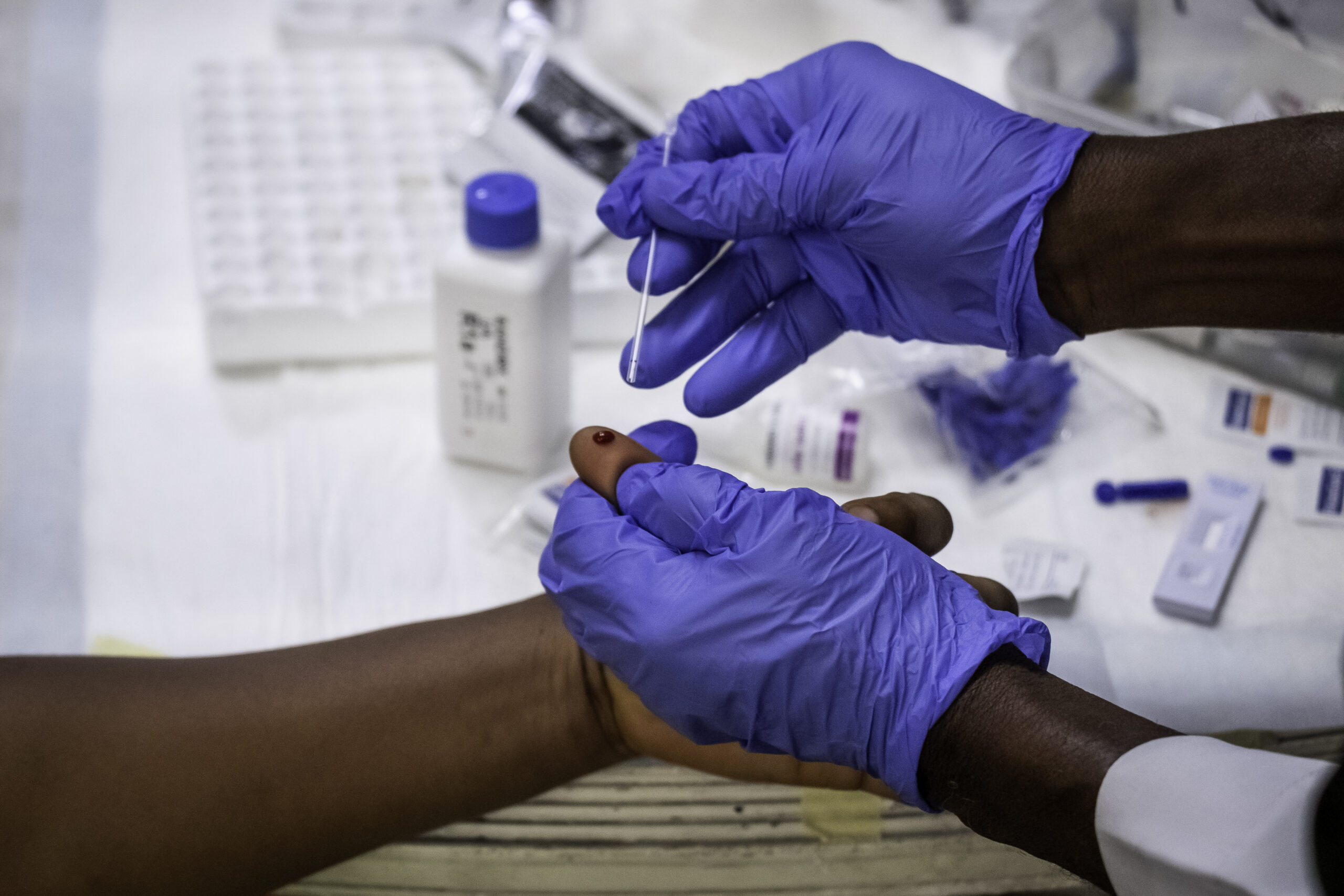
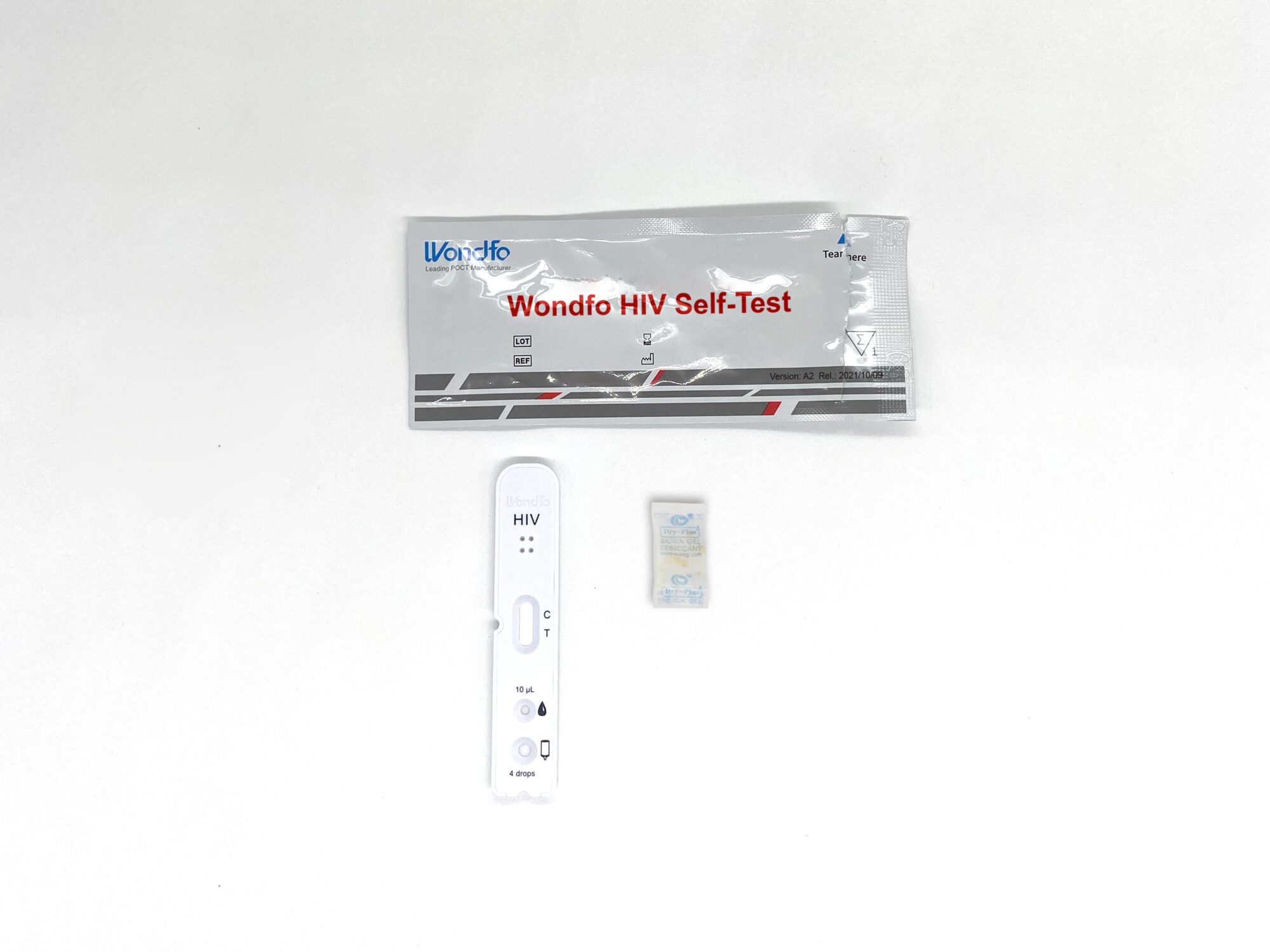
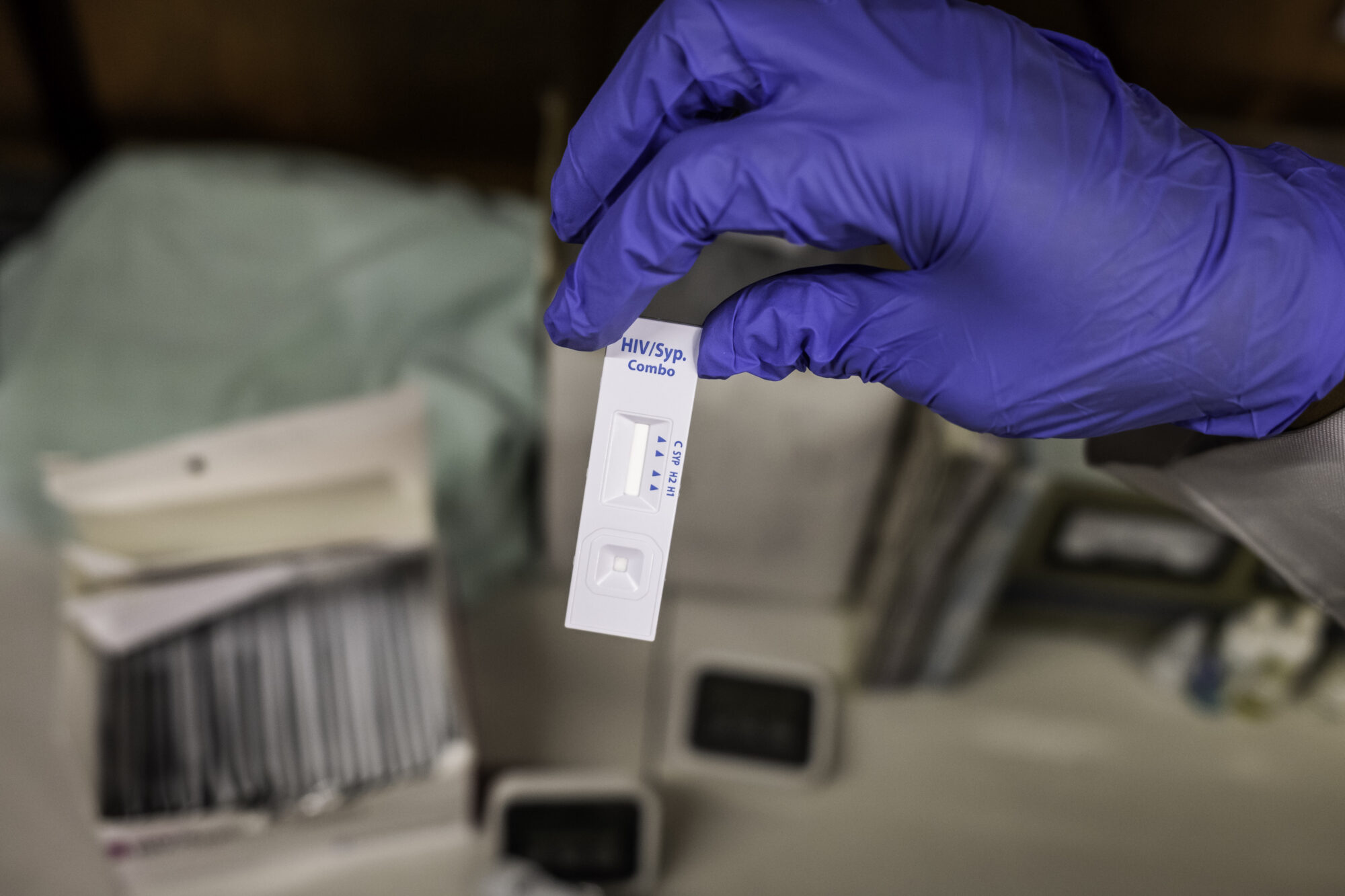
HIV self-tests are safe, easy to use, and provide accurate results in less than 30 minutes.

People will be able to collect self-tests from convenient locations before testing themselves and reading their results in private, when and where they want. This is especially valuable for people at higher risk of HIV who need more frequent testing.

The test requires taking a pinprick blood sample which is tested in the device. If a person returns a positive test, they should seek a confirmatory test with a qualified health worker.

Wondfo's HIV self-test

The partnership

MedAccess provided a volume guarantee to Wondfo.

Wondfo committed to launch its newly prequalified HIV self-test at $1 for public sector purchasers in 140 low- and middle-income countries. This will enable national HIV programmes and key partners to scale up HIV self-testing to meet growing demand, enable the expansion to new use-cases for self-testing (e.g. for pre-exposure prophylaxis (PrEP) monitoring) and increase treatment coverage.

CHAI helped facilitate the volume guarantee and supports countries’ adoption of the prequalified HIV self-tests.

Impact projections

Wondfo’s HIV self-test obtained WHO prequalification in July 2022 and national registrations in priority countries are ongoing, helping to build long-term supply security.

Our guarantee enabled Wondfo to reduce the price of its self-test to the lowest on the market, driving competition and setting a benchmark price for future entrants. This brings the price close to that of professional-use tests, giving countries a wider range of options to choose from and the flexibility to design programmes that take advantage of the unique benefits of HIV self-tests.

It also improves the attractiveness of HIV self-tests as an option for expanded use cases where frequent testing is recommended, such as supporting the use of pre-exposure prophylaxis (PrEP).

We project that improved access to self-testing through this partnership will contribute to:

  • 8.1 million additional people tested for HIV and an additional 131,000 people starting treatment.
  • 33% reduction in HIV self-test price for public procurers.

How we calculate the impact of this agreement

Lives changed

Estimates for test uptake and linkage to care are based on a meta-analysis by Njau et al. Average HIV positivity rates for Africa reported by UNAIDS were applied to estimate people living with HIV identified through testing.

Money saved

Impact is based on comparing the negotiated price to the expected lowest priced equivalent HIV self-test.

Markets shaped

We work with partners, including donors, procurers and ministries of health, to track changes in health markets where our investments are supporting access to products. We monitor for changes to policy, procurement practices and supplier movement, all of which affect markets and contribute to the long-term sustainability of impact.
SD Biosensor: Dual test for HIV and syphilis

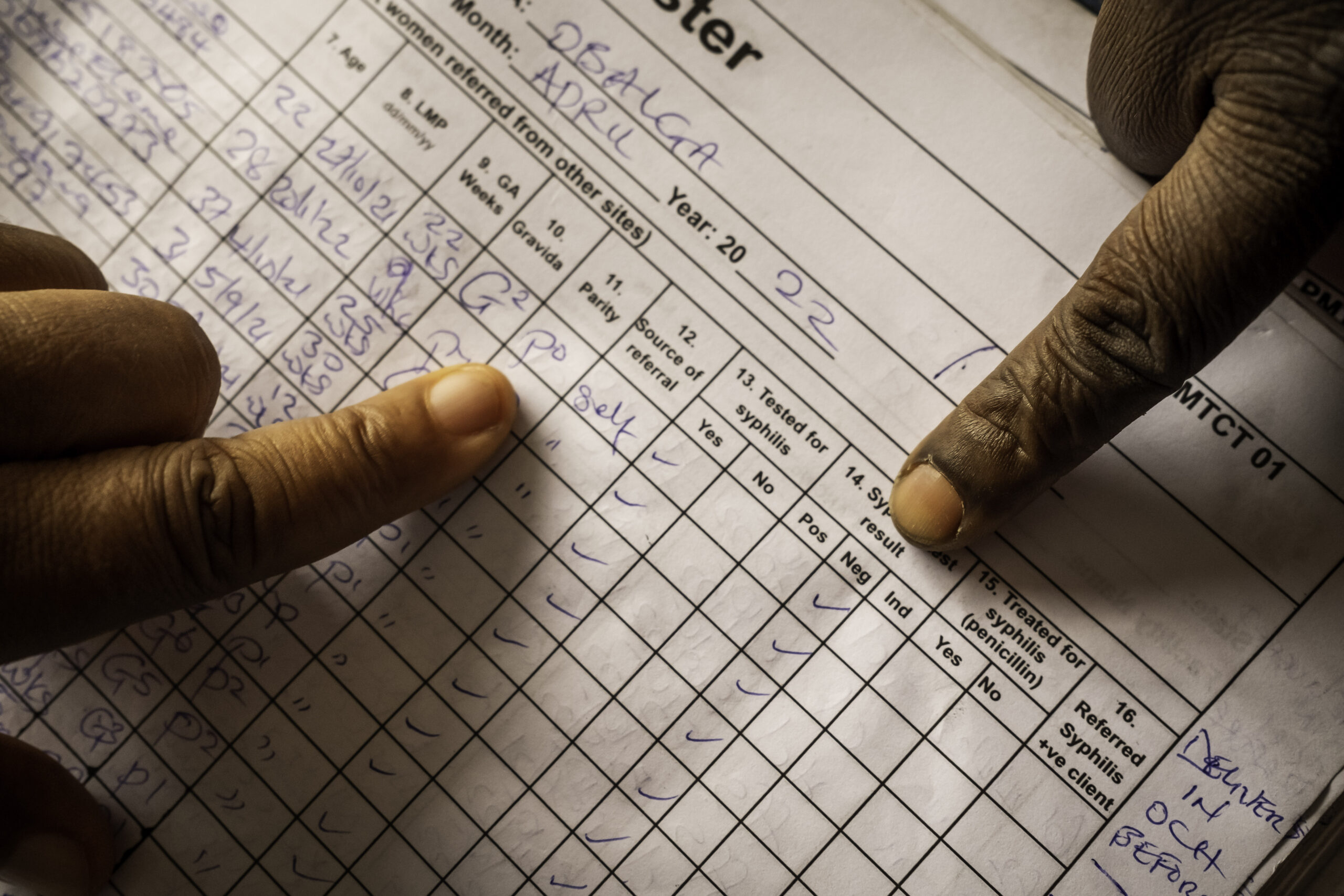
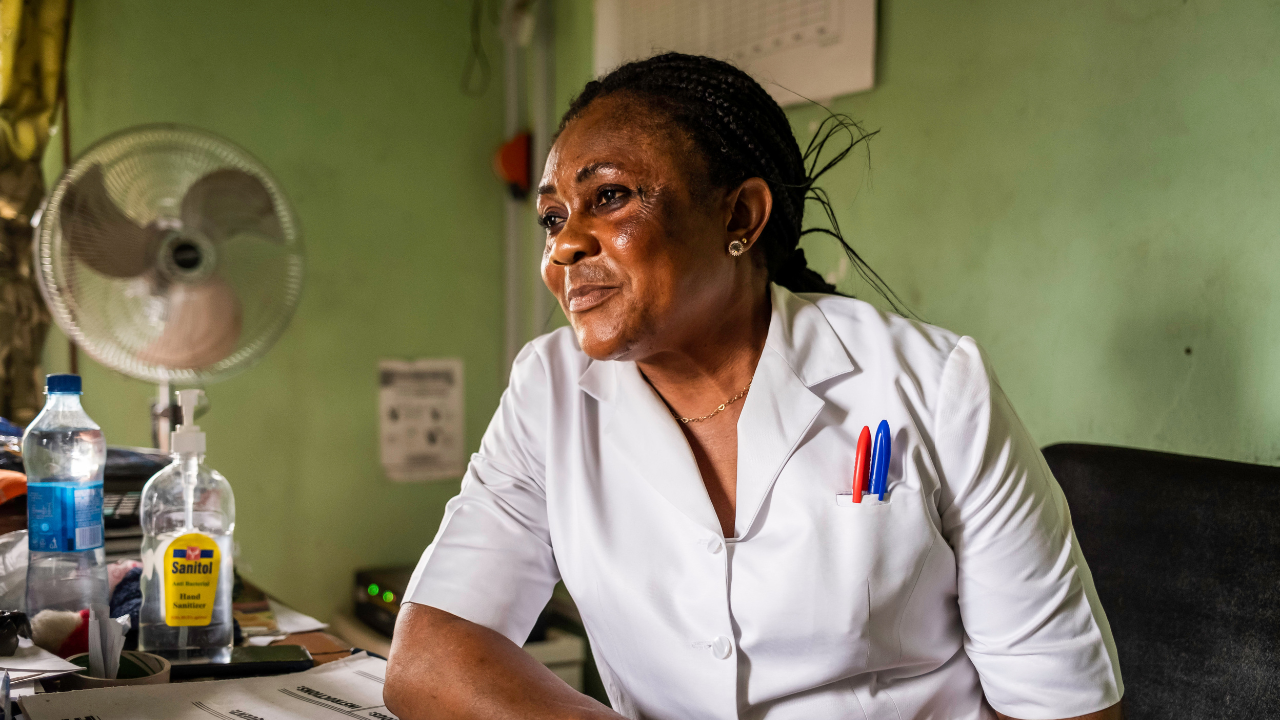
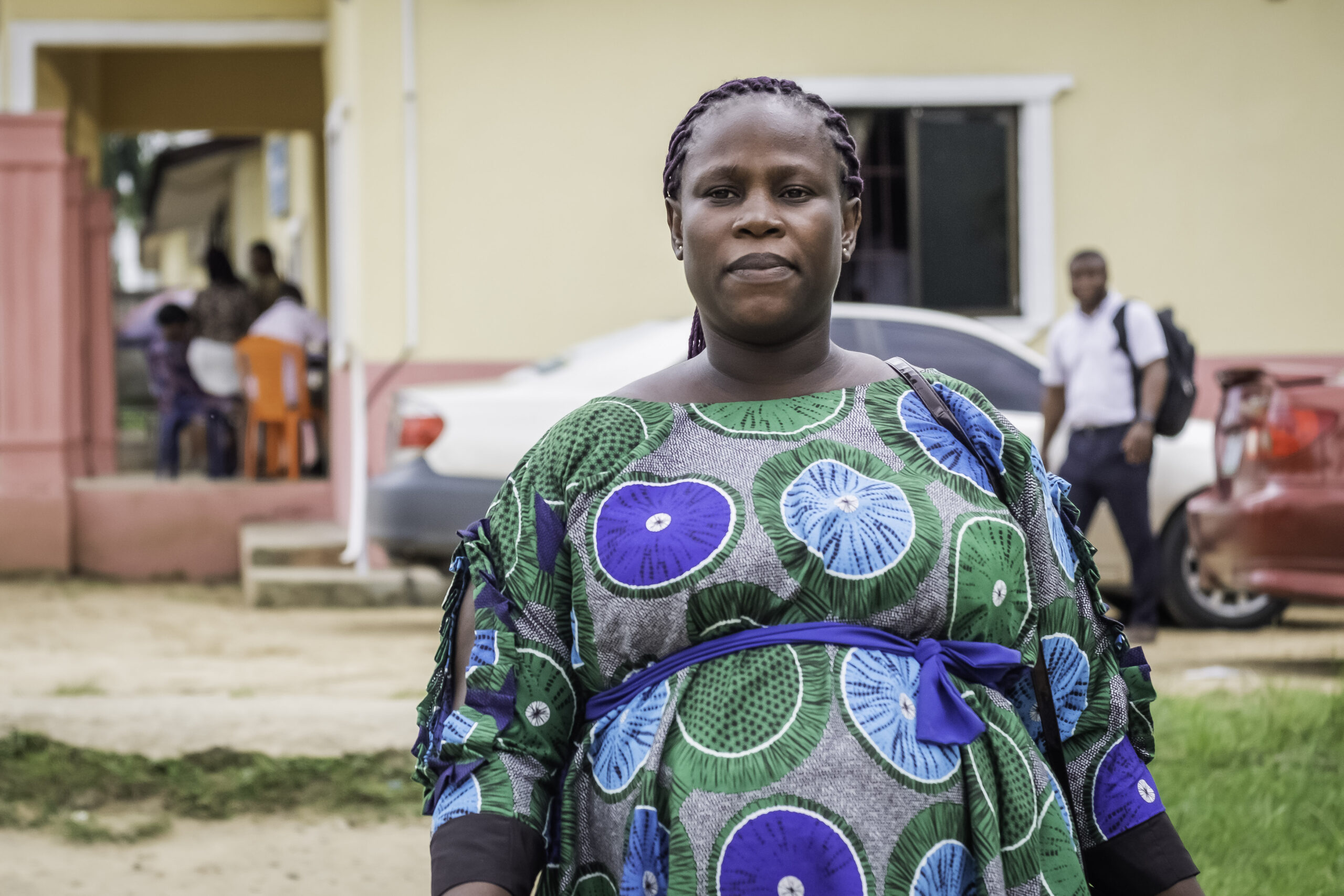
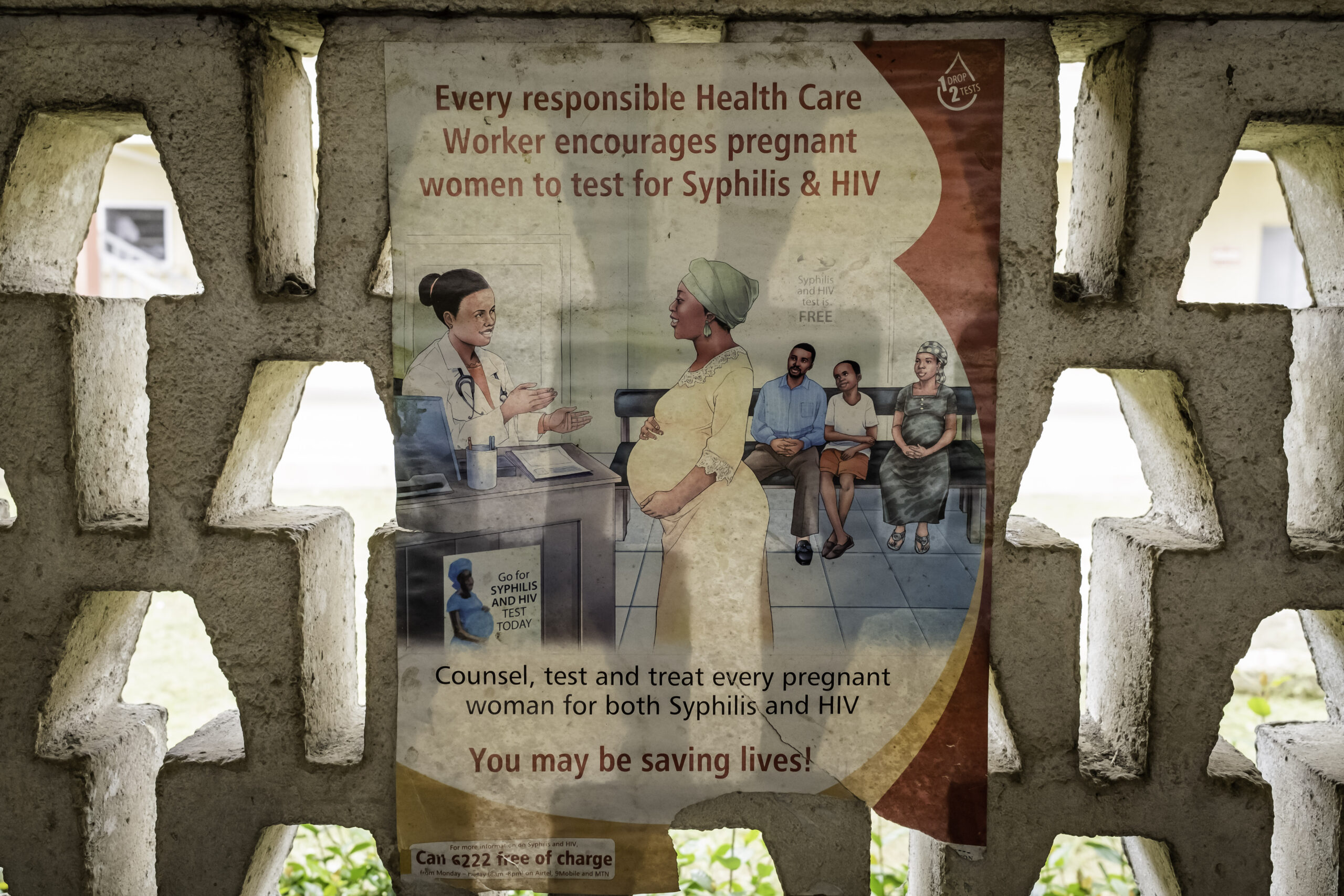
Syphilis testing rates in pregnant women lag far behind those for HIV, despite the serious risks to mothers and babies.

From 2021 to 2025, we supported SD Biosensor with a volume guarantee to reduce the price of its HIV/syphilis rapid test, enabling more countries to protect mothers and babies with dual testing.

Impact

By the end of the agreement:

770k

pregnant women with syphilis treated

162k

stillbirths averted

$13.6m

saved for procurers

The product

The dual test is a point-of-care rapid diagnostic test that simultaneously detects antibodies to both Treponemal pallidum (TP, the cause of syphilis infection) and HIV in under 20 minutes from a single finger-prick blood sample.

The dual test means syphilis testing can be integrated into HIV testing programmes in antenatal care settings, closing the testing gap between HIV and syphilis.

SD Biosensor's dual test

The partnership

MedAccess provided a volume guarantee to SD Biosensor for the dual test.

SD Biosensor agreed to reduce the price of its dual test to below $1 for public purchasers in over 100 low- and middle-income countries. SD Biosensor continued to produce and supply the dual test, increasing availability and access to the product in low-and-middle-income countries.

CHAI helped to facilitate the volume guarantee agreement and continues to support country adoption of the dual test.

Our innovative finance products

How we calculated the impact of this agreement

Lives changed

Estimates for additional women receiving access to syphilis testing were based on 2020 antenatal testing coverage for syphilis in African countries. Downstream patient outcomes were estimated based on 2020 seroprevalence and treatment rates in African countries, and a meta-analysis of risk for adverse outcomes of pregnancy by Gomez et. al.

Money saved

Impact was based on comparing the negotiated price to the expected weighted average market price of HIV-syphilis dual tests, including expected distributor mark-up where relevant.

Markets shaped

We work with partners, including donors, procurers and ministries of health, to track changes in health markets where our investments are supporting access to products. We monitor for changes to policy, procurement practices and supplier movement, all of which affect markets and contribute to the long-term sustainability of impact.
Hologic: Viral load testing

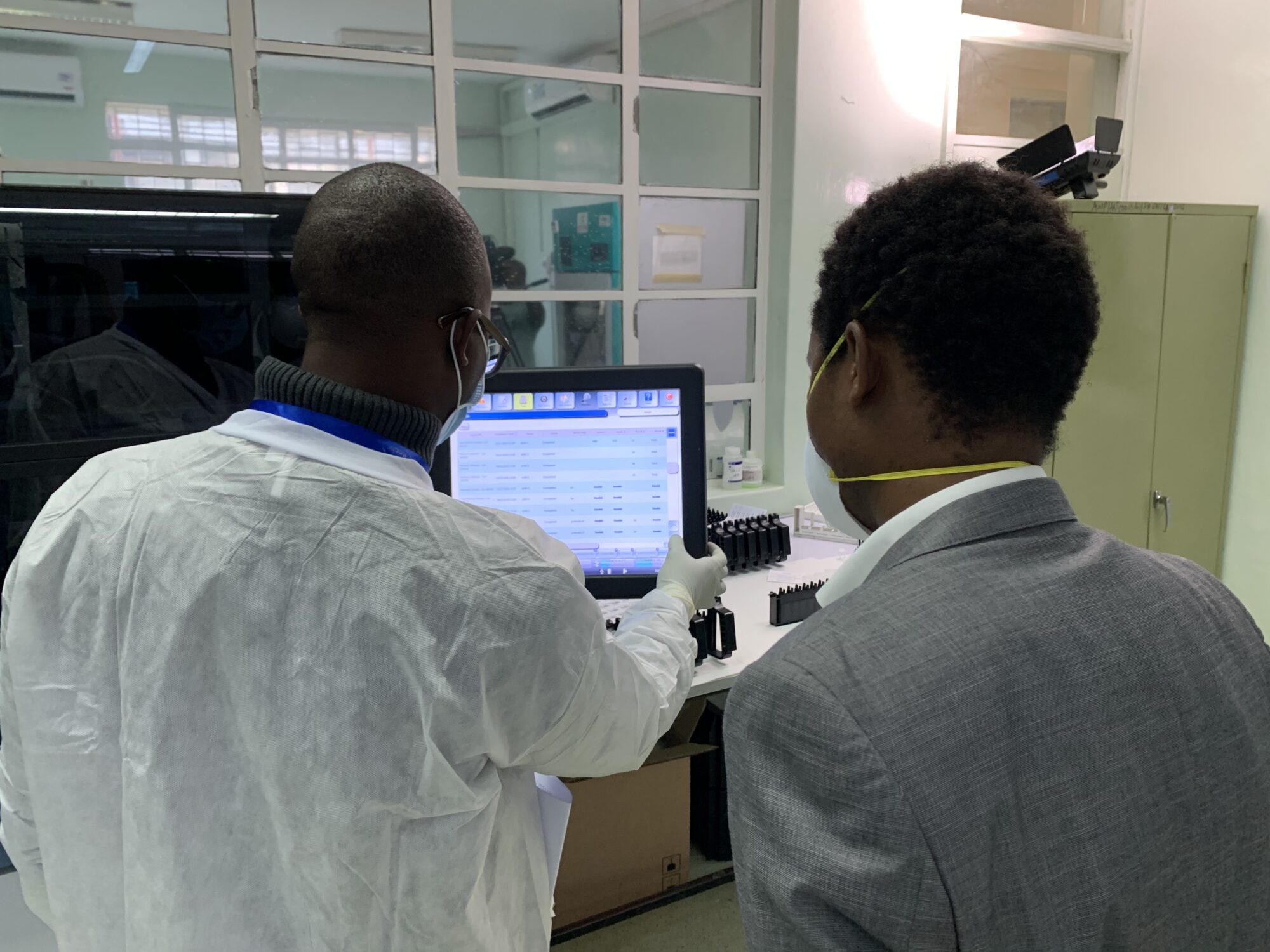
Millions of people living with HIV cannot access the regular viral load testing needed to keep their treatment on track and prevent onward transmission.

From 2018 to 2022, we provided a volume guarantee to Hologic which enabled the company to set an all-inclusive ceiling price of $12 per test on its Panther® platform, increasing access to viral load testing for millions of people.

Read case study

The challenge

Public health

HIV causes AIDS, which is one of the leading causes of death by infectious disease. HIV transmission can be reduced if patients start taking combinations of medicines – called antiretroviral therapy (ART) – soon after acquiring HIV. Effective ART regimens can suppress HIV viral load, which can prevent death and onward transmission and allow patients to live longer, healthier lives.

In 2014, UNAIDS launched the “90-90-90” targets, calling for 90% of people living with HIV to know their status, 90% of those diagnosed to receive treatment, and 90% of those on treatment to achieve viral suppression by 2020. Those targets were later updated to “95-95-95” by 2030. However, in 2017, the year before the MedAccess agreement, only 81% of people receiving antiretroviral therapy were virally suppressed, and millions of people with HIV lacked access to viral load testing.

Market situation

Hologic’s Panther® platform can test for HIV and viral hepatitis viral load and provide diagnosis for COVID-19 and human papillomavirus (HPV), the leading cause of cervical cancer. The Panther® platform obtained World Health Organization (WHO) pre-qualification in December 2017.

The total size of the viral load market was around $190 million a year. At the time, the two dominant suppliers in Africa offered HIV viral load testing at a wide range of prices. Procurement of products and services was fragmented, leading to untransparent pricing. As a result, access to regular viral load testing was often limited in sub-Saharan Africa. Countries that had purchased viral load testing equipment had many machines out of use due to inconsistent service and maintenance.

Impact by end-2022

By the end of the agreement:

932k

patients not virally suppressed identified

457k

patients switched to 2nd-line treatment

The product

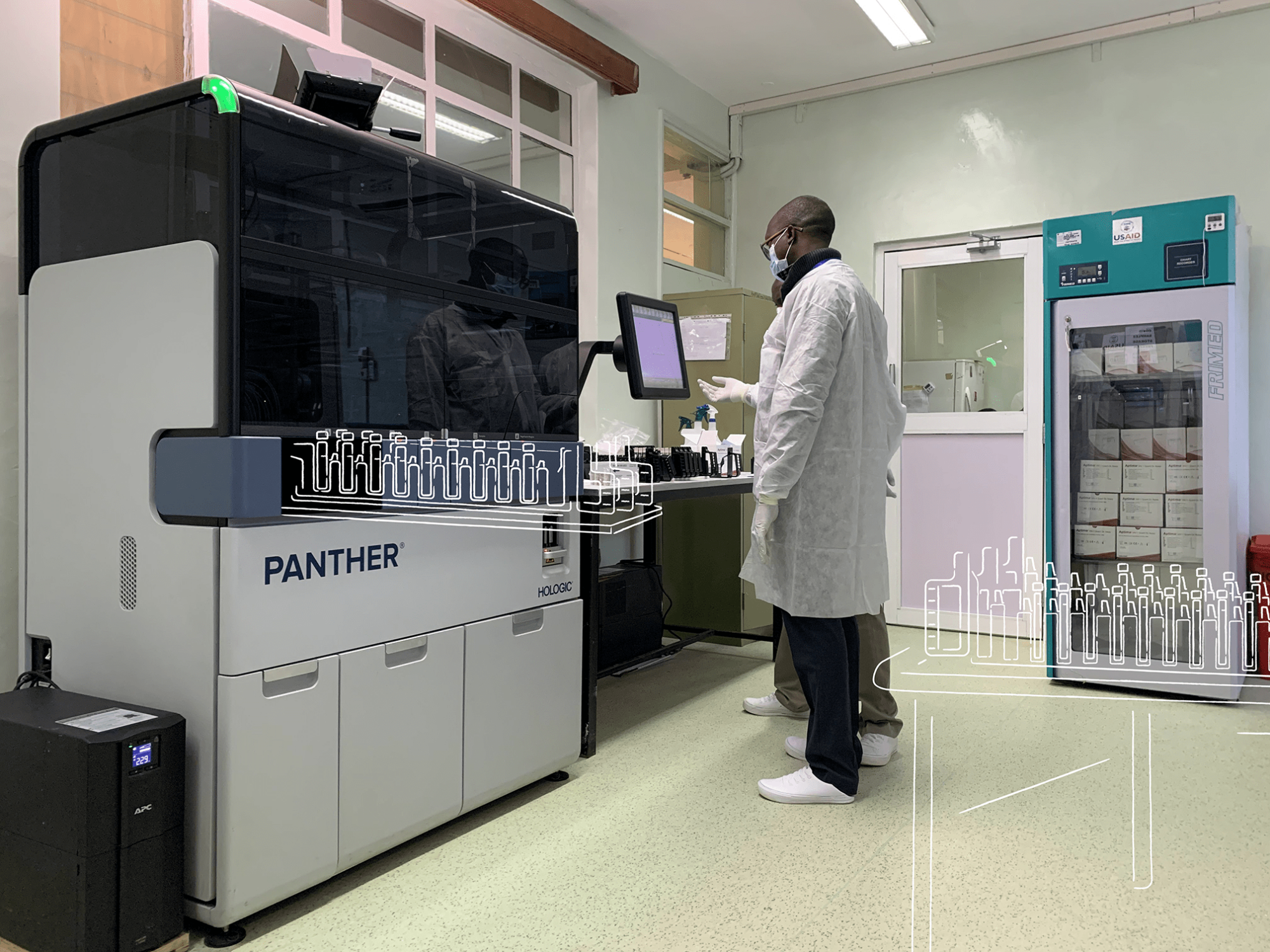
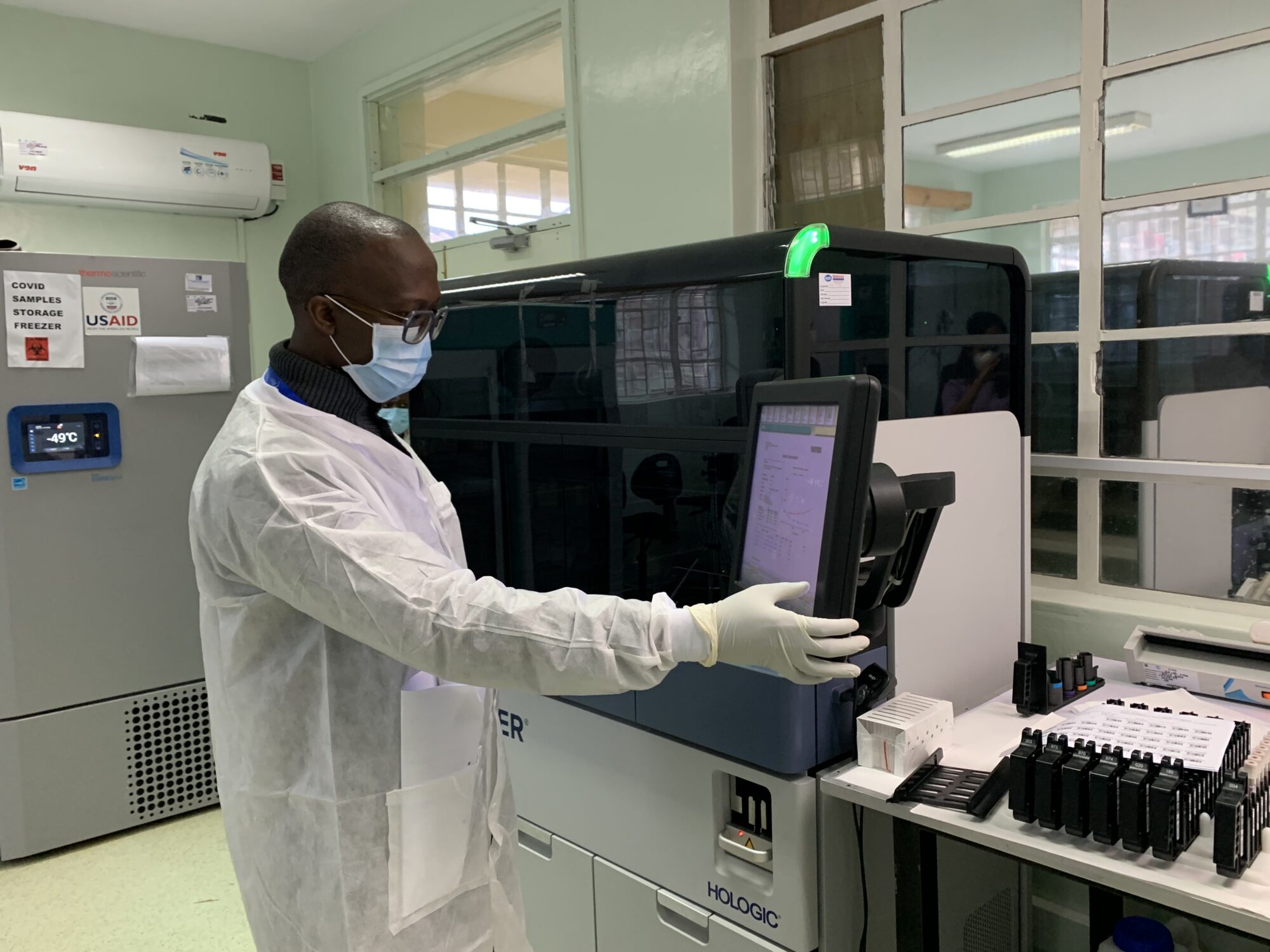
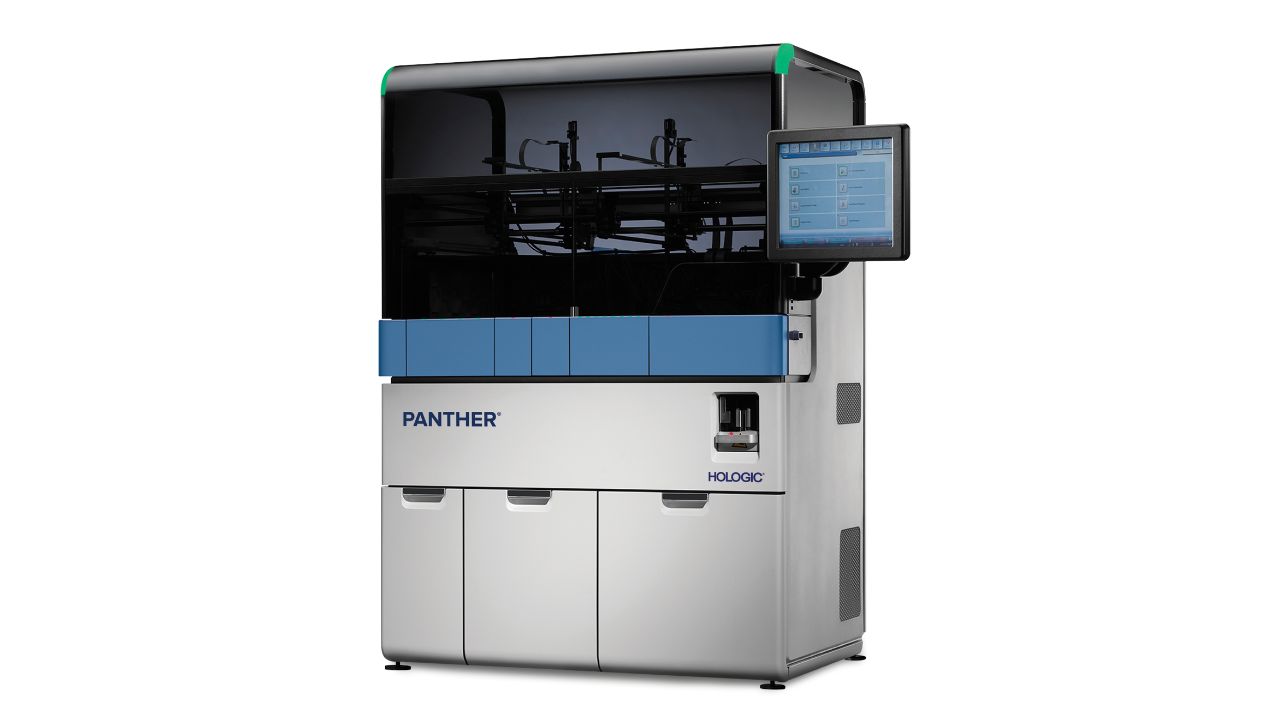
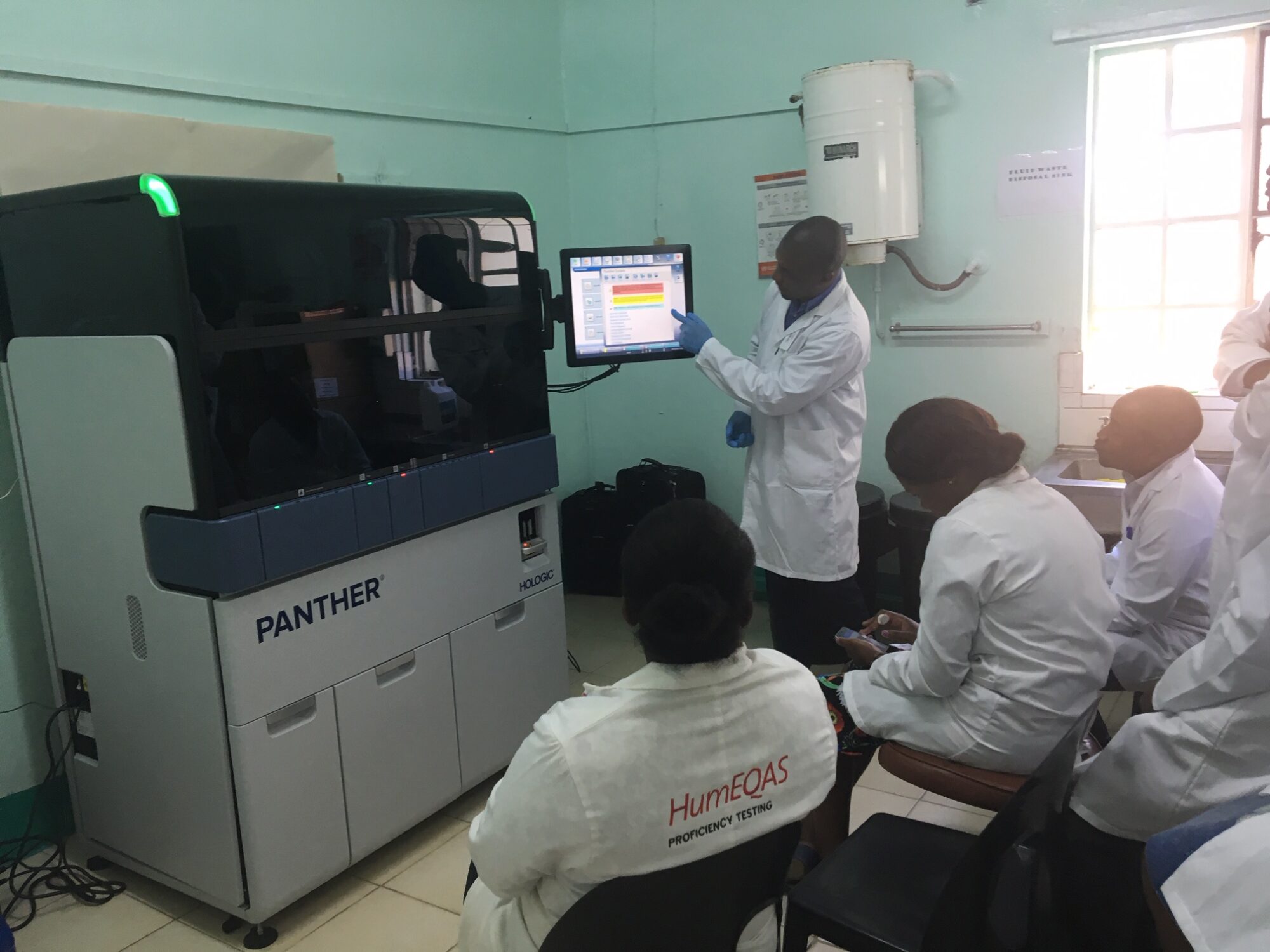
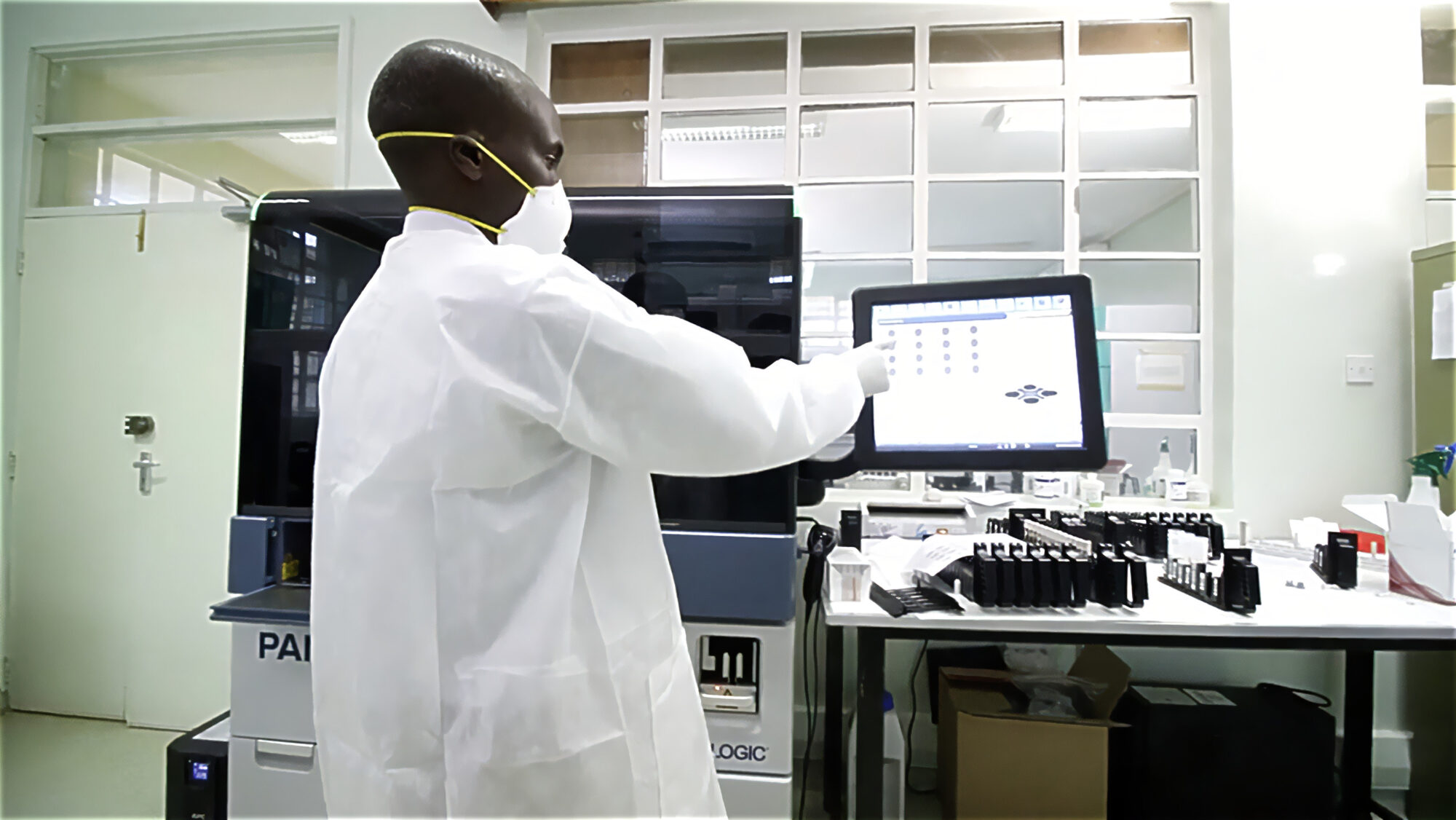
Hologic’s Panther® platform provides fully automated molecular testing for HIV, viral hepatitis, human papillomavirus and COVID-19. Its sample-to-result automation can run 320 tests in 8 hours, providing health care professionals and patients with faster access to accurate viral load or diagnostic results to support treatment decisions.

The Panther® platform can test for a range of illnesses simultaneously. In countries with high rates of coinfections alongside HIV, it can reduce the time patients wait for test results and lead to improved care.

Hologic's Panther platform

The partnership

MedAccess provided a volume guarantee to Hologic, agreeing to make up any shortfall in the agreed sales volumes.

Hologic agreed to register Panther® for use in 50 low- and middle-income countries, and set a multi-country, all-inclusive ceiling price of $12 per patient test (a 30% price reduction on all products and services required to generate an HIV viral load test result), including the cost of placing the instrument, consumables and reagents, staff training and instrument service and maintenance. This was the first time a company had offered an all-inclusive price for viral load testing.

The Clinton Health Access Initiative (CHAI) supported the formation of the partnership and is responsible for monitoring the implementation of the agreement.
Our innovative finance products

Impact by end-2022

By the end of the agreement:

13

countries switched to all-inclusive tender process

$45m

direct savings for procurers

13

countries now have more than two suppliers of viral load testing

The impact

By the end of the agreement in 2022, our guarantee had helped bring a new level of consistency and transparency, improved platform maintenance, and a new approach to procurement by funders. This has helped to stimulate price reductions up to 50% in some countries.
The introduction of the all-inclusive pricing framework improved procurement practices in the wider market, allowing for improved price transparency for HIV viral load procurement.

Supply security also improved with Hologic registering Panther® in 13 new countries where there were previously limited competitors.

The partnership has resulted in 932,000 patients benefitting from improved clinical outcomes and $45 million savings by purchasers.

Read case study

How we calculated the impact of this agreement

Lives changed

Impact was based on estimates of the total reach of guaranteed tests and the depth of impact on patients by those tests. The depth factor was derived from the proportion of people receiving a viral load test that will switch to second-line antiretroviral therapy and the HIV-related mortality and disability burdens in Africa.

Money saved

Impact was estimated based on actual price reductions achieved throughout the course of the volume guarantee.

Markets shaped

We work with partners, including donors, procurers and ministries of health, to track changes in health markets where our investments are supporting access to products. We monitor for changes to policy, procurement practices and supplier movement, all of which affect markets and contribute to the long-term sustainability of our investments. To quantify change against a baseline, we used publicly available indicators as proxies for market-wide change.

Subscribe to our newsletter

Receive regular updates about how our innovative finance work is making healthcare products more affordable and accessible.

"*" indicates required fields

This field is for validation purposes and should be left unchanged.
Close