Menu

Macleods: 3HP latent TB treatment

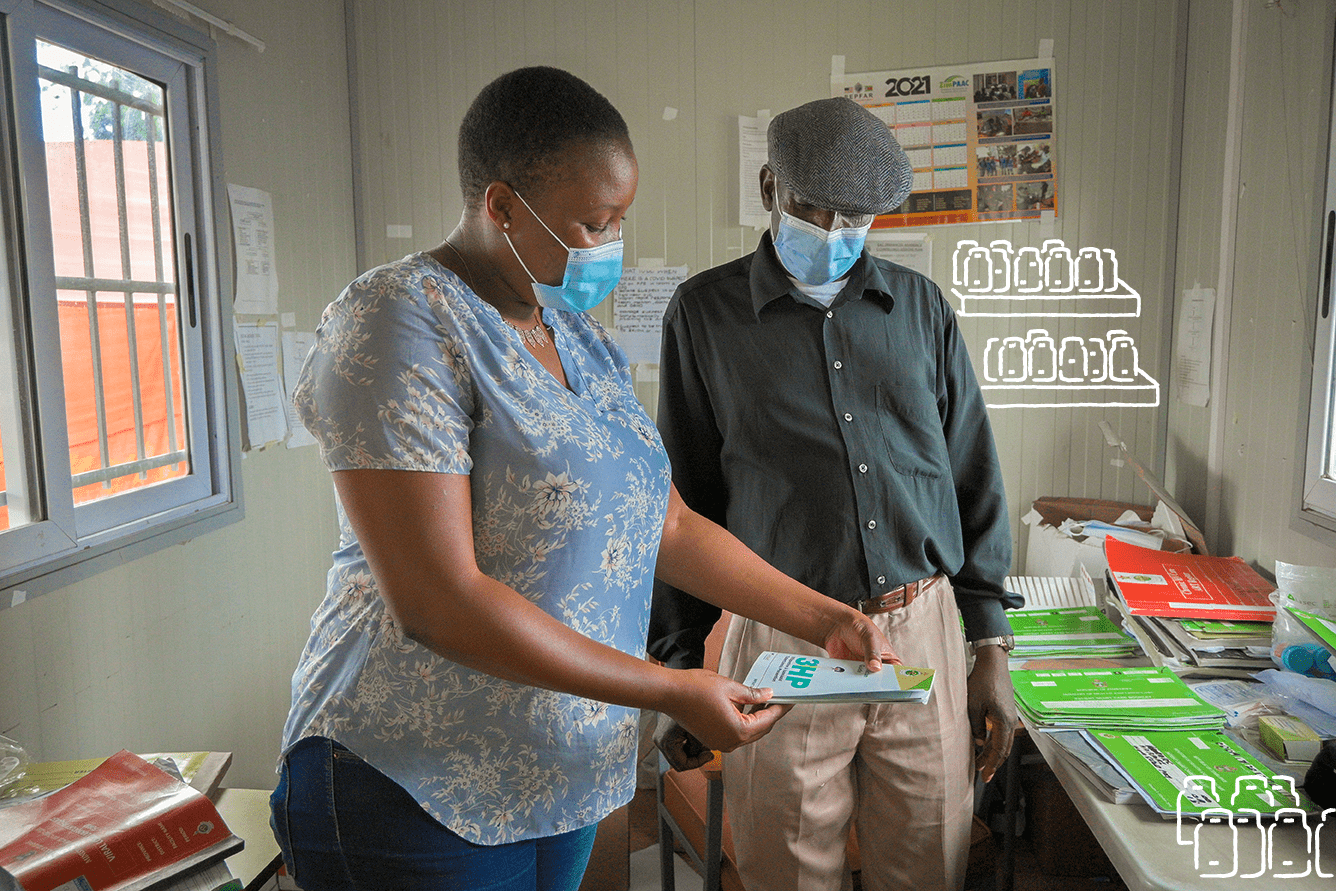
3HP preventive therapy protects people with latent TB from developing active TB, with a shorter treatment duration and fewer pills than previous regimens.

From 2021 to 2023, we provided Macleods with a volume guarantee to secure the availability of 3HP, supporting the work of the IMPAACT4TB partnership.

The challenge

Public health

Tuberculosis (TB) is a leading cause of death from an infectious disease. Latent TB infection occurs when someone is infected with TB-causing bacteria but is asymptomatic and non-infectious. About a quarter of the world’s population are estimated to have latent TB and, over a lifetime, 5-10% will develop active TB. The chance of latent TB becoming active is much higher in people living with HIV and household contacts of TB patients, particularly children under five.

The 3HP regimen effectively treats and cures latent TB in most patients. But access to preventive treatment was behind targets for the period 2018-2022. Addressing latent TB is essential to reducing the incidence and mortality of TB globally.

Market situation

The previous standard-of-care for latent TB, called isoniazid preventive therapy (IPT), was developed over 60 years ago and has seen limited uptake and poor patient adherence due to the treatment duration of six months or more. In 2018, the World Health Organization (WHO) updated its global guidance for latent TB management to include 3HP as a treatment option for both adults and children.

Historically, demand for 3HP has been limited by high prices and supply constraints. Prior to Macleods’ entry into the 3HP market, there were no suppliers of fixed-dose combinations and only one supplier of a 3HP co-pack with very limited production capacity.

Impact

By the end of the agreement:

661k

additional people living with HIV completed treatment with 3HP

166k

hospitalisations due to treatment side effects averted

1.3m

approximate cases of latent TB in household contacts averted

The product

3HP is a fixed-dose combination therapy that combines two antibiotics – isoniazid and rifapentine – for the treatment of latent TB. It is a short-course regimen, taken once a week for three months.

Because of its shorter treatment duration and reduced pill burden, 3HP is as effective as IPT, with fewer side effects and better completion rates (90% on 3HP versus 50% on IPT).

More from IMPAACT4TB

The partnership

MedAccess provided a volume guarantee to Macleods.

Macleods will continue to produce and supply 3HP, scaling up capacity to meet increasing demand. Our guarantee enabled Macleods to initially lower its price for 3HP to $15 per patient course, before a further reduction in August 2022 to $14.25 per patient course.

The volume guarantee agreement complemented a broader set of interventions provided by the Clinton Health Access Initiative (CHAI) and Unitaid, as part of the IMPAACT4TB programme led by The Aurum Institute, to support the commercialisation and roll-out of 3HP.

The new ceiling price was available in 138 low- and middle-income countries.

Our innovative finance products

Impact

By the end of the agreement:

52

countries had accessed 3HP under the terms of our agreement

32%

average price reduction

$29m

in procurement savings

The impact

Our guarantee helped secure Macleods’ commitment to make 3HP available at $14.25 per patient course, setting a low-cost price benchmark for new competitors entering the market.

Since this volume guarantee was announced, a new supplier entered the market at the same price as Macleods, driving greater competition, improving supply sustainability, and increasing product choice.

As of 2024, we estimate the partnership had contributed to:

  • an estimated additional 661,000 people living with HIV completing treatment, improving health outcomes and tackling onward transmission
  • 166,000 fewer people hospitalised due to adverse effects from the medication when compared to the current standard-of-care,
  • an estimated $29 million in procurement savings, through an average price reduction of 32%.

How we calculated the impact of this agreement

Lives changed

Downstream patient outcomes were estimated based on the pooled risk analysis developed for the 2020 update of the WHO Latent Tuberculosis Infection Guidelines, and represent relative risk for people living with HIV when comparing 3HP to the current standard-of-care, isoniazid preventive therapy.

Money saved

Impact was estimated based on actual price reductions for 3HP over the course of the volume guarantee.

dsm-firmenich: Vitamin A for food fortification

Vitamin A deficiency can cause blindness, impaired growth and severe infectious diseases, with the greatest harm to pregnant women and children.

Since 2025, we have provided dsm-firmenich with a volume guarantee to support stable pricing and sustainable supply of vitamin A for edible oil millers, ensuring greater access to fortified cooking oil.

© indrarf / Shutterstock.com

The challenge

Public health

Vitamin A deficiency affects approximately 500 million people globally, mainly in Africa and Asia. It is particularly prevalent in low- and middle-income countries (LMICs) due to food insecurity and limited dietary diversity.

A deficiency in vitamin A has particularly adverse consequences for women of reproductive age and children, leading to blindness, impaired growth, and increased severity of infectious diseases.

In children, vitamin A deficiency significantly increases the risk of illness and death from common infections such as diarrhoea and measles. It is also the leading preventable cause of blindness. In women of reproductive age, vitamin A deficiency increases the risk of maternal night blindness, infection, and other adverse outcomes during pregnancy and lactation.

Market situation

The vitamin A market frequently sees severe price volatility and supply insecurity due to market disruptions.

Although fortification with vitamin A is mandatory in many countries, edible oil millers often face significant challenges to fortify their products when the price of vitamin A increases or supplies become scarce. This makes it difficult for millers to plan ahead, procure consistently, and fortify oil in adequate volumes.

This first-of-its-kind partnership supports predictable vitamin A prices in an important market where fortified food is a big contributor to ensuring people benefit from vitamin A.

Impact to date

By the end of 2025:

3.8m

additional children with vitamin A deficiency reached

$1.39m

saved for edible oil millers

The product

Vitamin A is essential for the functioning of the immune system and healthy growth of children. People can become deficient in the vitamin due to a limited diet.

Food fortification involves adding safe levels of micronutrients such as vitamin A to commonly consumed foods such as cooking oil, to increase their nutrient content. Edible oil millers blend vitamin A into the oil during production. Consumers benefit from the fortified oil in their daily cooking.

The fortification of edible oil with vitamin A is mandated in many LMICs. Supporting edible oil millers to access vitamin A at affordable, predictable prices can support compliance efforts.

The partnership

MedAccess has partnered with dsm-firmenich to provide stable pricing and sustainable supply of vitamin A, ensuring a more affordable and transparent price for edible oil millers in LMICs. This initiative will significantly increase the amount of fortified oil available, therefore improving public health outcomes.

dsm-firmenich will not exceed ceiling prices of $59 per kg (ex-works) for vitamin A and $43.30 per kg (ex-works) for a vitamin A and D3 blend when sold to edible oil millers for fortification in low- and middle-income countries (LMICs).

To enable dsm-firmenich to offer these ceiling prices, MedAccess has provided a volume guarantee, covering any shortfall in agreed sales.

Impact projections

Our guarantee is contributing to stabilised prices and sustained supply of vitamin A, to support the continued fortification of edible oil.

By stabilising prices, this guarantee will address historical price volatility, improving visibility and supply security for edible oil millers, and support longer-term planning and forecasting to ensure adequate fortification.

Using evidence from supplementation trials to approximate the potential benefits of fortification, we project that improved access to oil fortified with vitamin A can contribute to:

  • 1.21 million cases of vitamin A deficiency addressed in children under five
  • 1.14 million cases of anaemia addressed in children under five.

How we calculate the impact of this agreement

Lives changed

Evidence for the benefits of food fortification is limited due to the complexities of controlled nutrition monitoring. Vitamin A supplementation clinical trials were used as a proxy to estimate the benefit of daily, continued consumption of fortified oil. Estimates for cases of vitamin A deficiency addressed were based on a meta-analysis by Imdad et al.

Money saved

Impact is based on comparing the negotiated price to the historical median market price.

Markets shaped

We work with partners, including donors and procurers to track changes in health markets where our investments are supporting access to products. We monitor for changes to policy, procurement practices and supplier movement, all of which affect markets and contribute to the long-term sustainability of impact.

UNICEF: COVID-19 supplies

At the height of the COVID-19 pandemic, low- and middle-income countries struggled to secure equitable access to essential medical products.

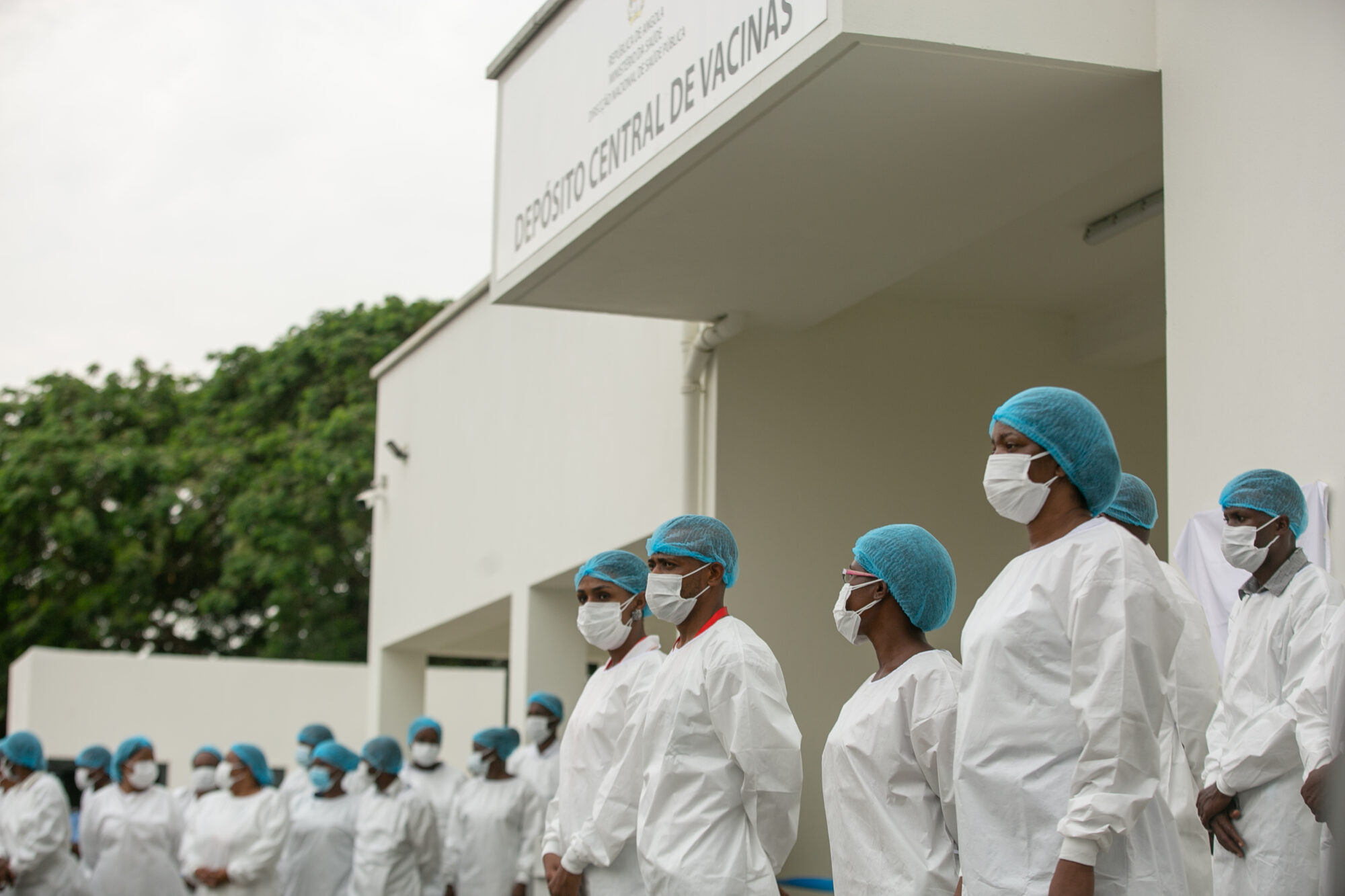
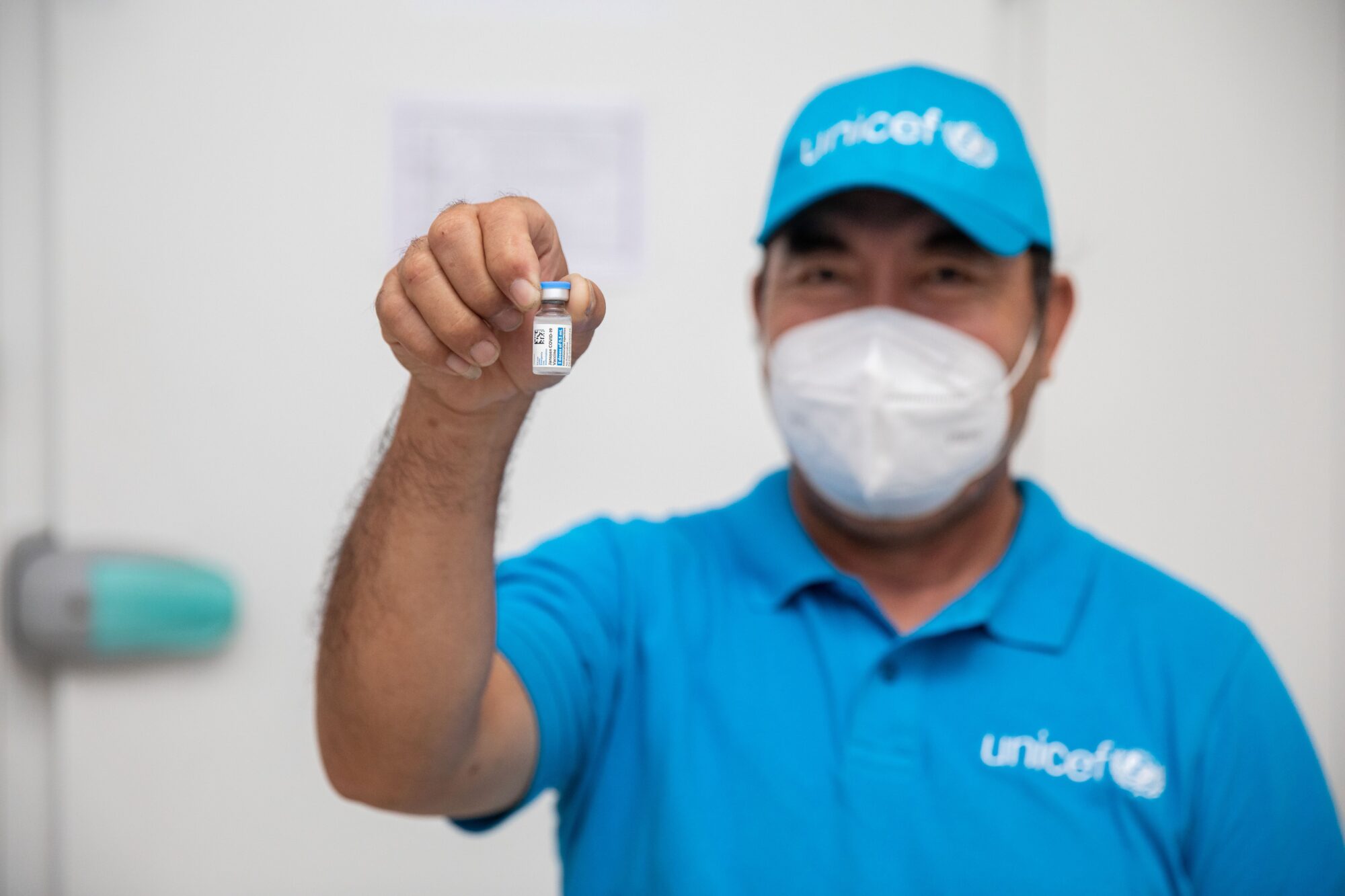
From July 2020 to the end of 2022, we partnered with UNICEF, providing a $50 million procurement guarantee to help reduce country waiting times for COVID-19 supplies and vaccines, other essential health products and childhood vaccines.

The challenge

Public health

On 11 March 2020, the World Health Organization (WHO) declared COVID-19 a pandemic. COVID-19 remains the most widespread public health crisis in more than a century. By the end of 2021, it had claimed more than 14.9 million excess deaths, either directly or indirectly.

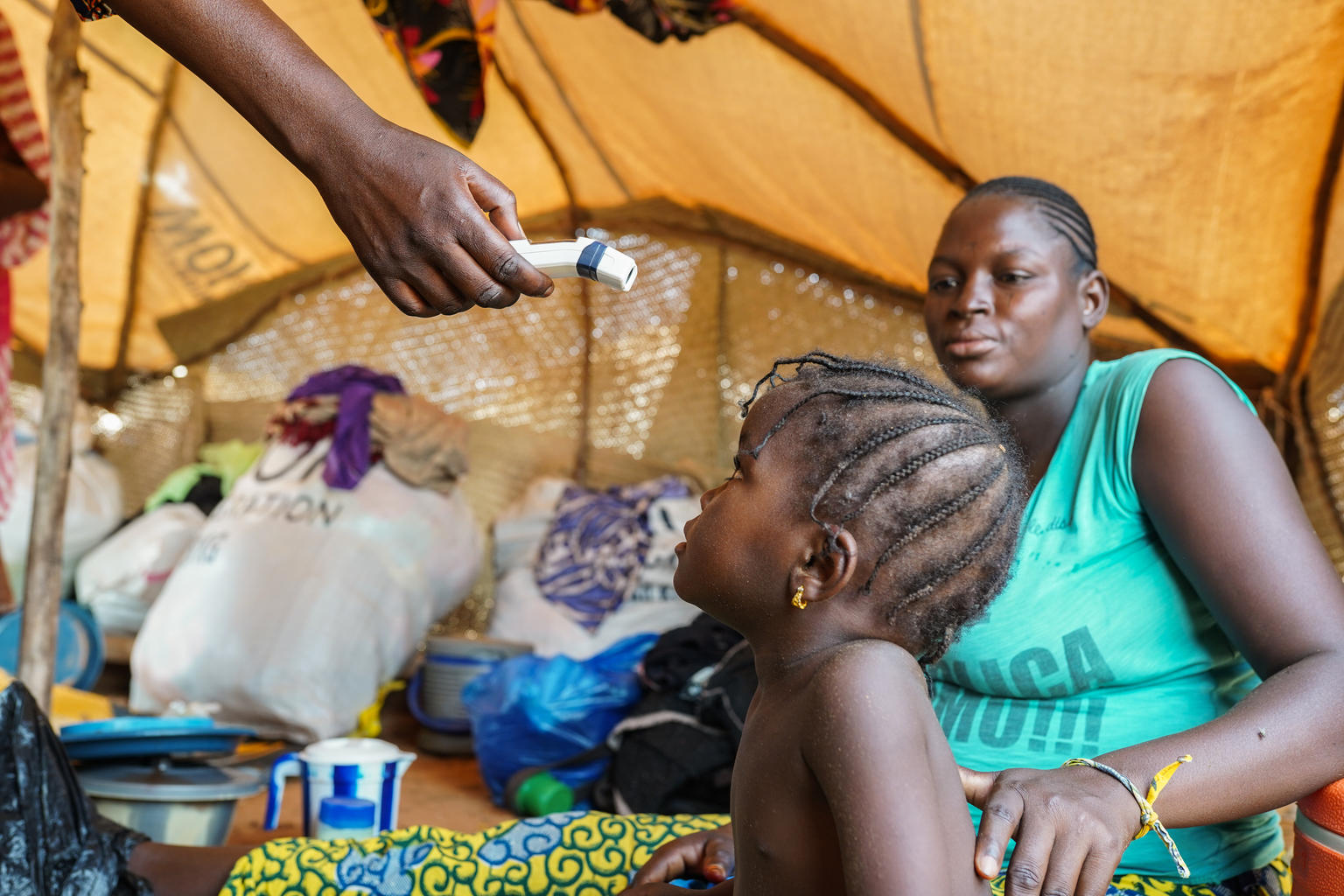
COVID-19 spread quickly around the world, leading to lockdowns and restrictions on movement. This made it even more difficult for people in low- and middle-income countries to access vital health products for conditions like HIV, malaria and tuberculosis. As a result, all three diseases saw increased case numbers and deaths.

The pandemic also took its toll on vaccination programmes. Gavi, the Vaccine Alliance reported that basic vaccine coverage fell by 1% in 2021, following a 4% drop in 2020.

Market situation

During the initial phase of the COVID-19 pandemic, demand outstripped supply for even the most basic medical products, leaving many countries struggling to provide vital equipment to frontline workers.

This situation was most acute in low- and middle-income countries (LMICs). Restricted supply, export bans and volatile prices meant that many countries were unable to access COVID-19 supplies. Countries were being quoted prices for some items of up to 20 times what they were pre-pandemic.

UNICEF is the world’s largest procurement agent of essential supplies on behalf of LMICs, country programmes and development partners. It has played a leading role in helping ensure access to products to tackle COVID-19 on top of its regular work procuring vaccines and other items on behalf of countries.

Impact

By the end of the agreement:

2.8b

syringes for COVID-19 and other vaccines supplied

456m

COVID-19 vaccines and other childhood vaccines supplied

9.8m

diagnostic test kits and equipment supplied

The product

UNICEF used its purchasing power to provide essential health supplies to countries that would have been at the back of the queue and vulnerable to volatile pricing, especially early in the pandemic.

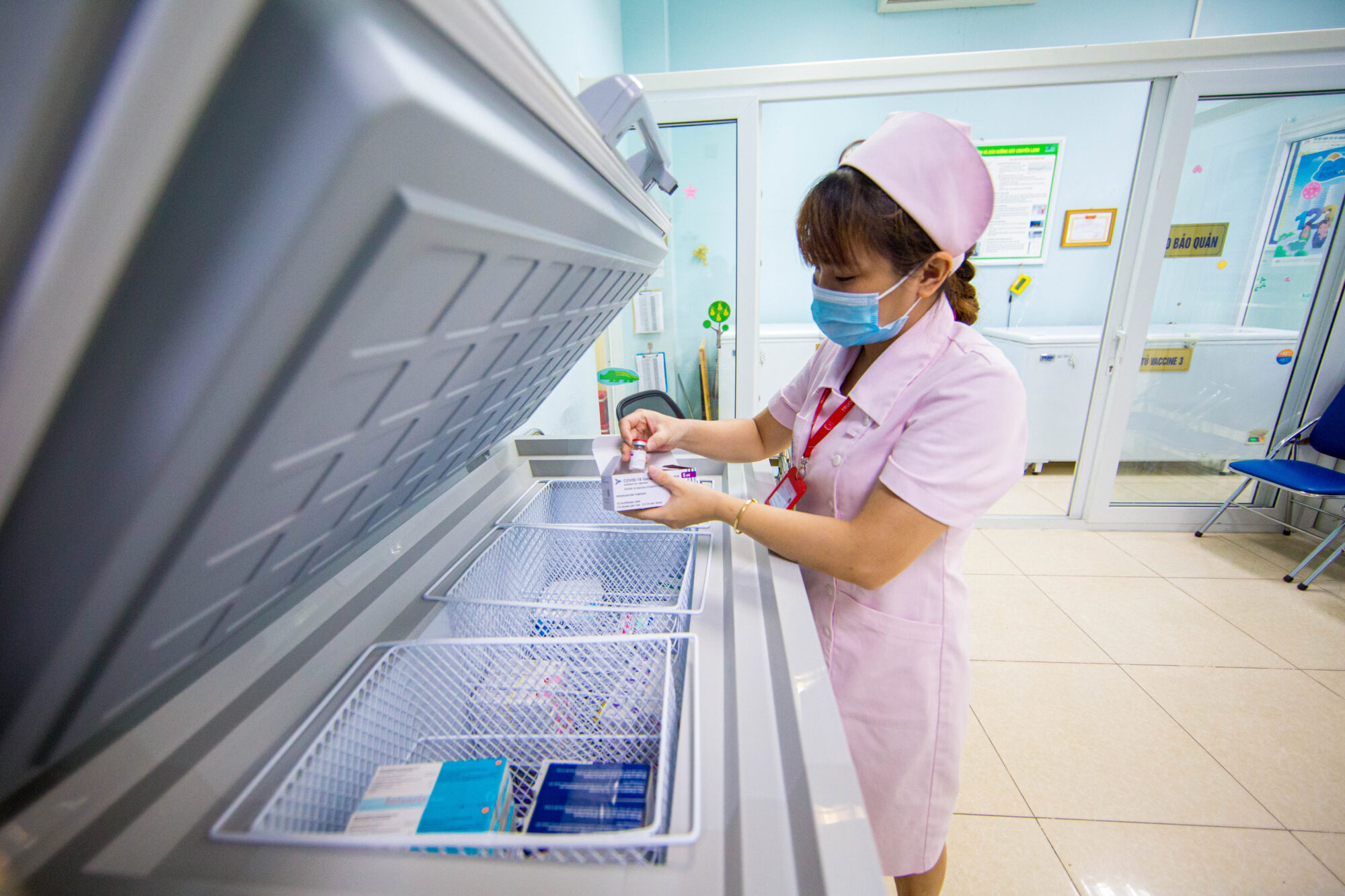
Items procured include masks, gowns, oxygen concentrators, laboratory tests, rapid tests and immunisation supplies.

Since the pandemic, MedAccess’ support enabled UNICEF to increase procurement of other essential products, such as childhood vaccines.

UNICEF Supply's work

The partnership

MedAccess provided a $50 million procurement guarantee to increase the capitalisation of a UNICEF procurement mechanism.

UNICEF used the guarantee to increase and accelerate procurement and distribution of COVID-19 products as well as other essential health products.

As one of the world’s largest volume procurers of medical products, UNICEF secured sustainable supply at lower prices. This means low- and middle-income countries that used UNICEF’s procurement mechanisms were less exposed to volatile prices and shortages.

In 2021, MedAccess extended the guarantee for a further year.

Our innovative finance products

The impact

Pre-financing enabled countries to expedite delivery of essential products to tackle COVID-19 and other pressing health needs. Countries accessed supplies, on average, 7 months faster than without pre-financing support.

Our partnership with UNICEF contributed to the procurement of:

  • Over 2.8 billion syringes for use with COVID-19 and other vaccines.
  • More than 456 million COVID-19 and other childhood vaccines.
  • More than 9.8 million diagnostic test kits and equipment to help frontline health workers detect COVID-19.

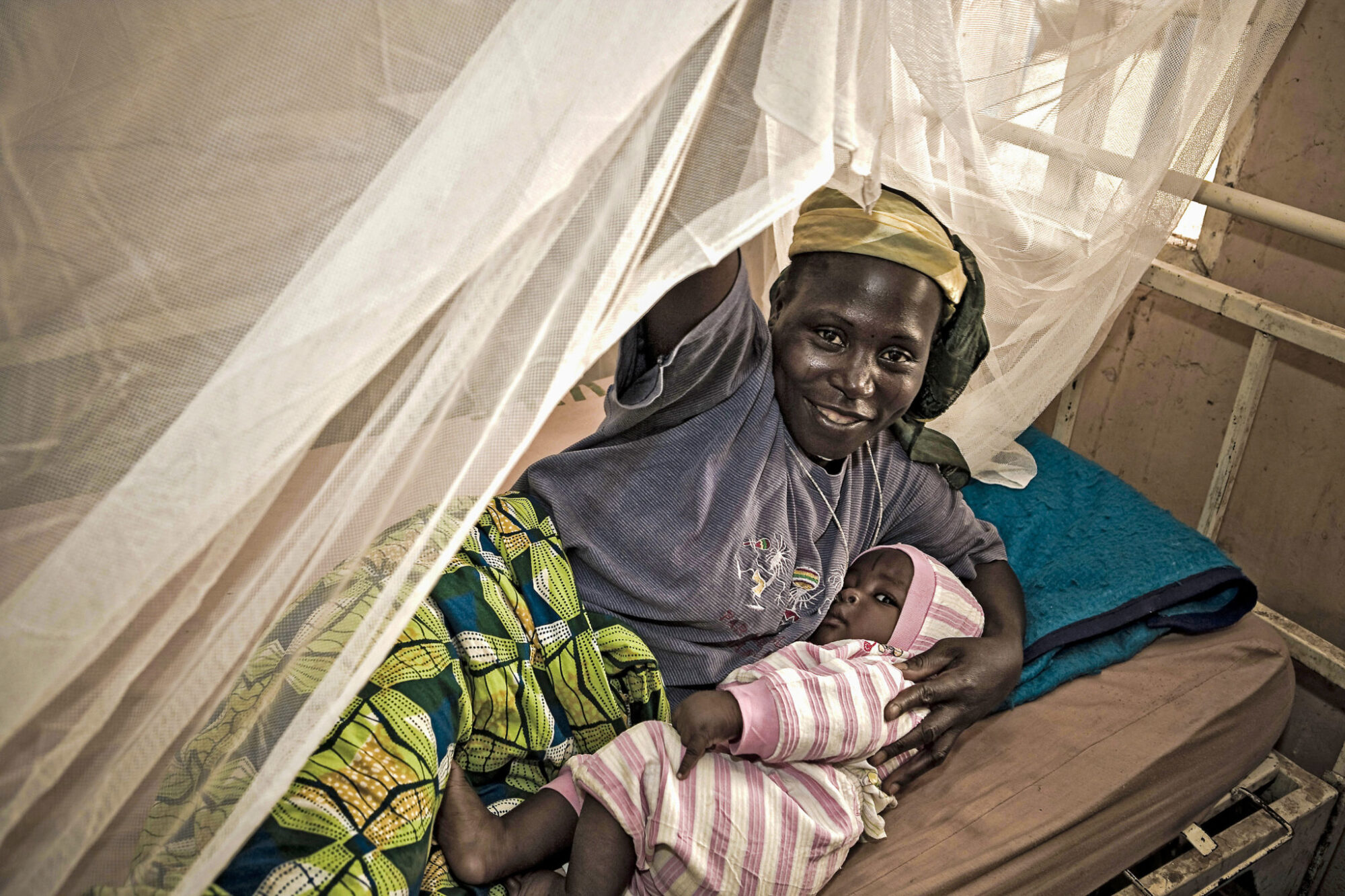
BASF: Next-generation mosquito nets

Growing mosquito resistance to standard pyrethroid-only nets is threatening decades of progress against malaria.

From 2019 to 2022, we supported BASF with a volume guarantee to reduce the price of its next-generation Interceptor® G2 dual-insecticide nets, so tens of millions of people could benefit from accelerated access.

Read impact story

The challenge

Public health

Malaria is a life-threatening illness caused by parasites transmitted to people bitten by infected female Anopheles mosquitos. The World Health Organization (WHO) estimates that malaria claimed 567,000 lives in 2019. Africa is disproportionately affected by malaria, accounting for approximately 95% of the cases and 96% of the deaths worldwide in that same year; 80% of those deaths were in children under five.

Insecticide-treated nets (ITNs) help prevent the spread of malaria by providing a physical barrier between mosquitos and sleeping people. However, growing resistance among mosquitos to pyrethroids – the main insecticide class used in standard ITNs – is hindering progress. According to WHO, 78 of the 88 malaria-endemic countries, covering all regions of sub-Saharan Africa, reported mosquito resistance to at least one of the four commonly-used insecticide classes in the period 2010-2019. Millions more people are at risk as standard nets become less effective in high resistance areas.

Market situation

While the price of standard nets has reduced substantially over the past decade, next-generation nets are more expensive. Despite its benefits, uptake of this new net was expected to be slow due to market-related barriers, including slow prioritisation, adoption uncertainty, and higher prices related to production. Many countries were cautious about buying next-generation nets as data from randomised controlled trials in Tanzania and Benin were being collected ahead of publication in 2022 and 2023 respectively.

In 2018, BASF’s Interceptor® G2 net was the only dual-active ingredient net using pyrethroid and chlorfenapyr, a new class of insecticide in public health. This made a volume guarantee the ideal instrument to address the high-price low-volume dynamic and support accelerated introduction of the nets ahead of expected growth in the market for dual-active ingredient nets.

Impact

By the end of the agreement:

15.6m

malaria cases averted (additional to standard nets)

122k

severe malaria cases averted (additional to standard nets)

36,200

deaths averted (additional to standard nets)

The product

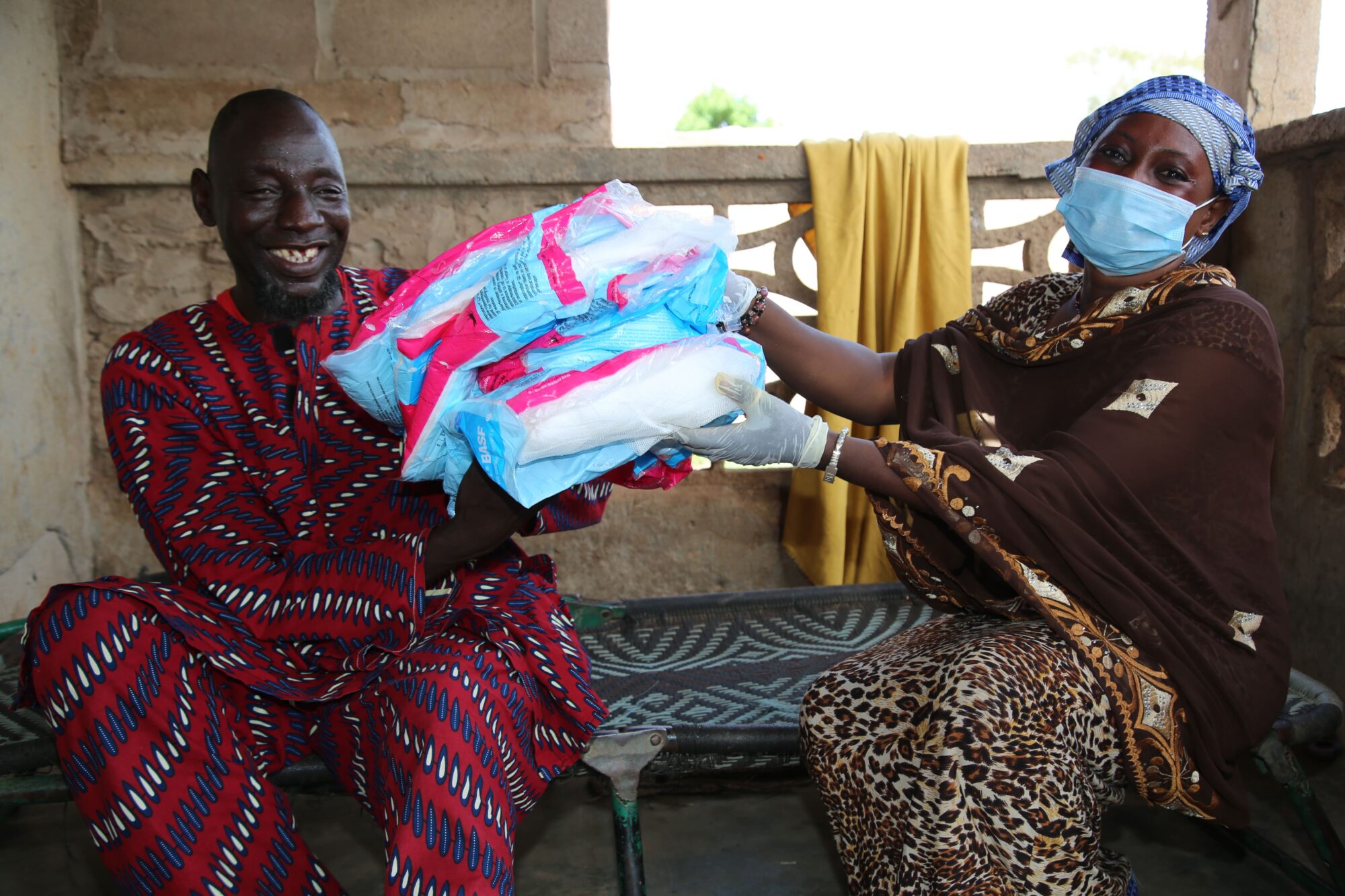
BASF developed the Interceptor® G2, a dual-active ingredient net that uses chlorfenapyr in combination with pyrethroid, the standard insecticide generally used in ITNs. The new net is more effective in killing mosquitos that are resistant to pyrethroids, while still being able to kill mosquitos that have not developed resistance.

Two studies randomised control trials, in Tanzania and Benin, have shown Interceptor® G2 nets to be highly effective at reducing malaria cases. In both trials Interceptor® G2 outperformed other next generation nets and the current standard of care.

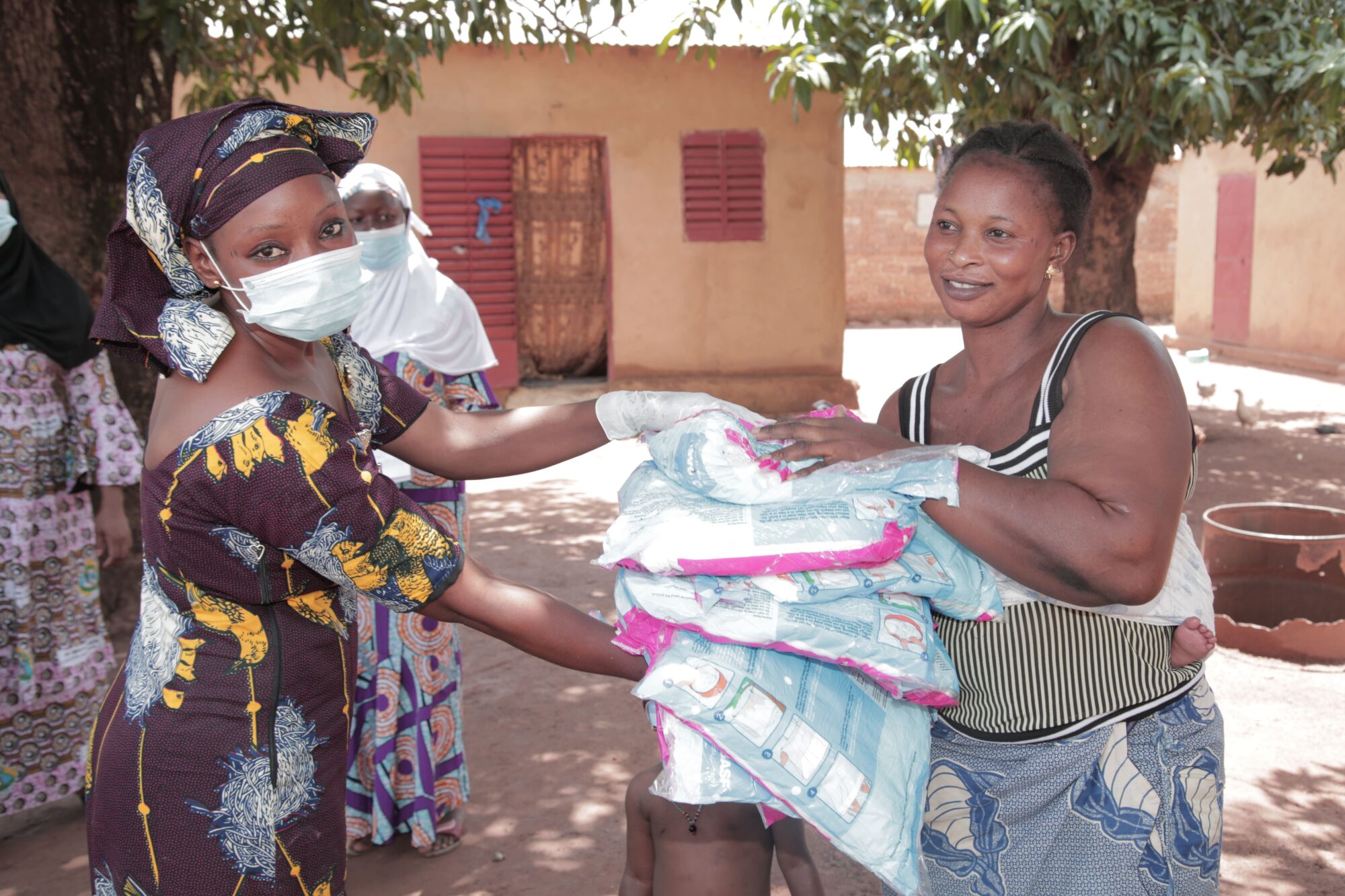
BASF's Interceptor® G2 nets

The partnership

MedAccess and the Gates Foundation provided a volume guarantee to BASF for 35 million Interceptor® G2 nets.

BASF agreed to increase production volumes and reduce prices.

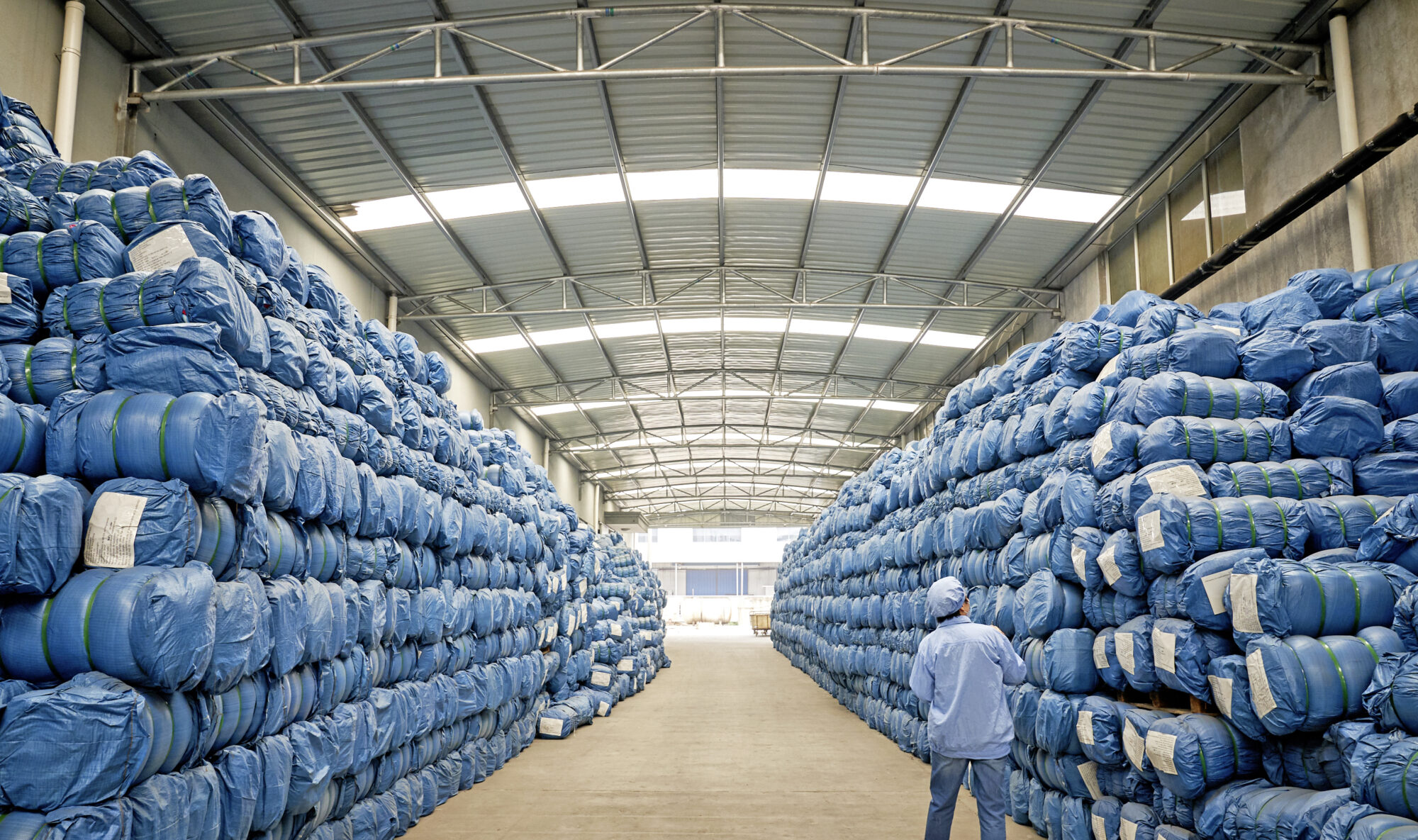
The increased visibility into order volumes allowed BASF to better plan long-term resources, scale-up production and reduce prices by up to 40%. This made the nets more accessible and affordable for countries where insecticide resistance is growing and standard nets are becoming less effective.

Our guarantee builds on the commitment of organisations such as the Innovative Vector Control Consortium (IVCC), who partnered with BASF to support the development of the nets. It also supports the objectives of the New Nets Project co-financed by the Global Fund to fight AIDS, Tuberculosis and Malaria and Unitaid.

Our innovative finance products

Impact

By the end of the agreement:

$24m

direct savings for public bodies

$34.2m

savings to health systems due to averted cases and treatment

19

countries ordered Interceptor® G2 mosquito nets

The impact

Our guarantee has accelerated the introduction of a net designed to address the increasing issue of insecticide resistance and has catalysed rollout in countries with high malaria burden. Since the guarantee was signed, 19 countries have placed orders for next-generation nets.

As of the end of 2022, the partnership had contributed to:

  • nets distributed in 19 countries which are expected to avert approximately 15.6 million malaria cases and save 36,200 lives over the nets’ three-year lifespan.
  • price reductions of an average 40% led to direct savings of at least $24 million for procurers compared to what they otherwise would have paid for Interceptor® G2 nets.
Read impact story

How we calculated the impact of this agreement

Lives changed

Impact was based on projections developed by malaria modelling experts at Imperial College London. The figures provided by Imperial represent the impact of switching from standard long-lasting insecticide-treated nets to Interceptor® G2 nets within the countries where the nets are distributed.

Money saved

The price of individual nets varies by size. Impact was estimated based on actual price reductions for an average-sized net over the course of the volume guarantee.
Markets shaped

We work with partners, including donors, procurers and ministries of health, to track changes in health markets where our investments are supporting access to products. We monitor for changes to policy, procurement practices and supplier movement, all of which affect markets and contribute to the long-term sustainability of impact. To quantify change against a baseline, we used publicly available indicators as proxies for market-wide change.
Subscribe to our newsletter

Receive regular updates about how our innovative finance work is making healthcare products more affordable and accessible.
"*" indicates required fields

This field is for validation purposes and should be left unchanged.
Close