Menu

SD Biosensor: G6PD testing

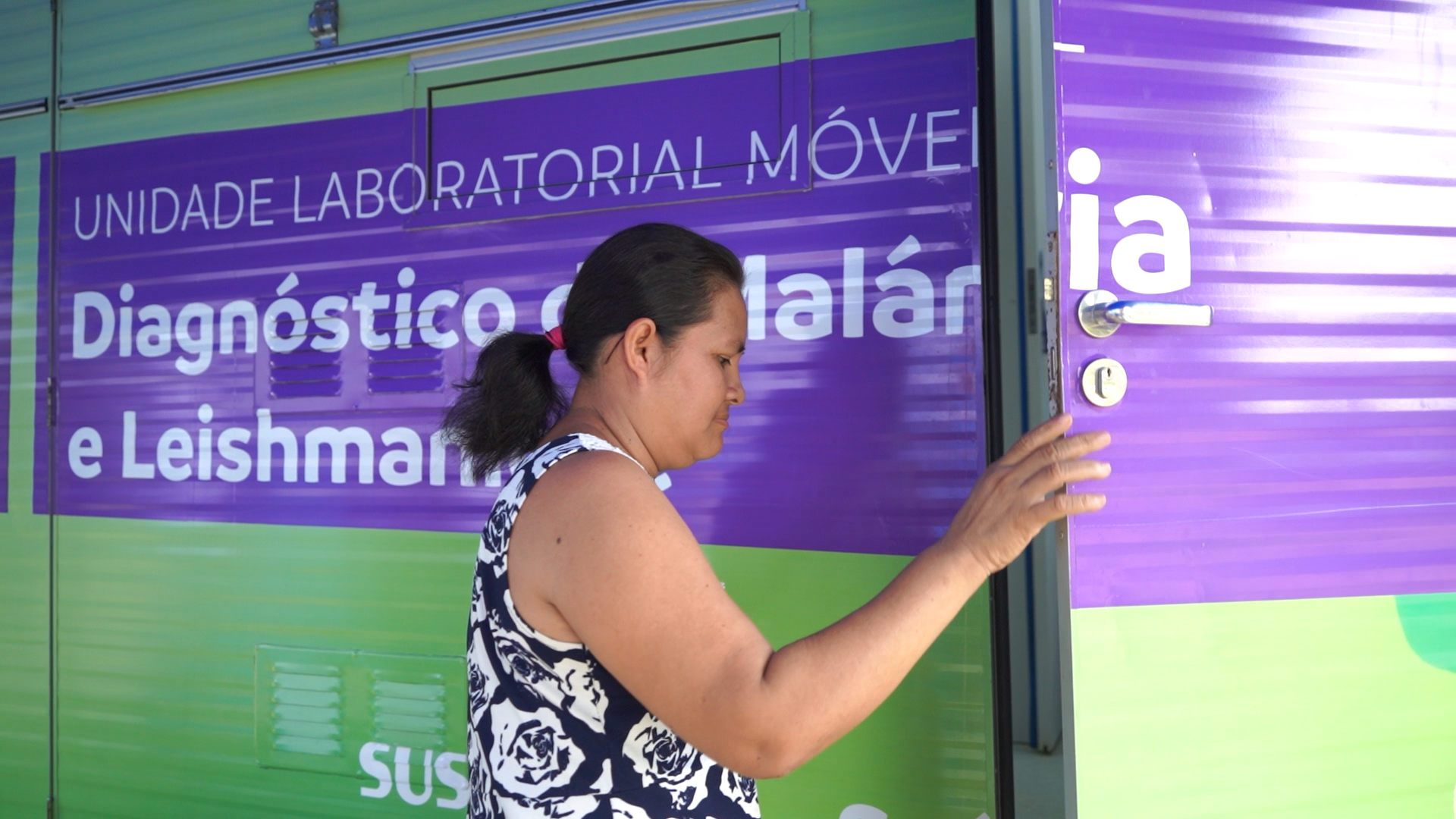
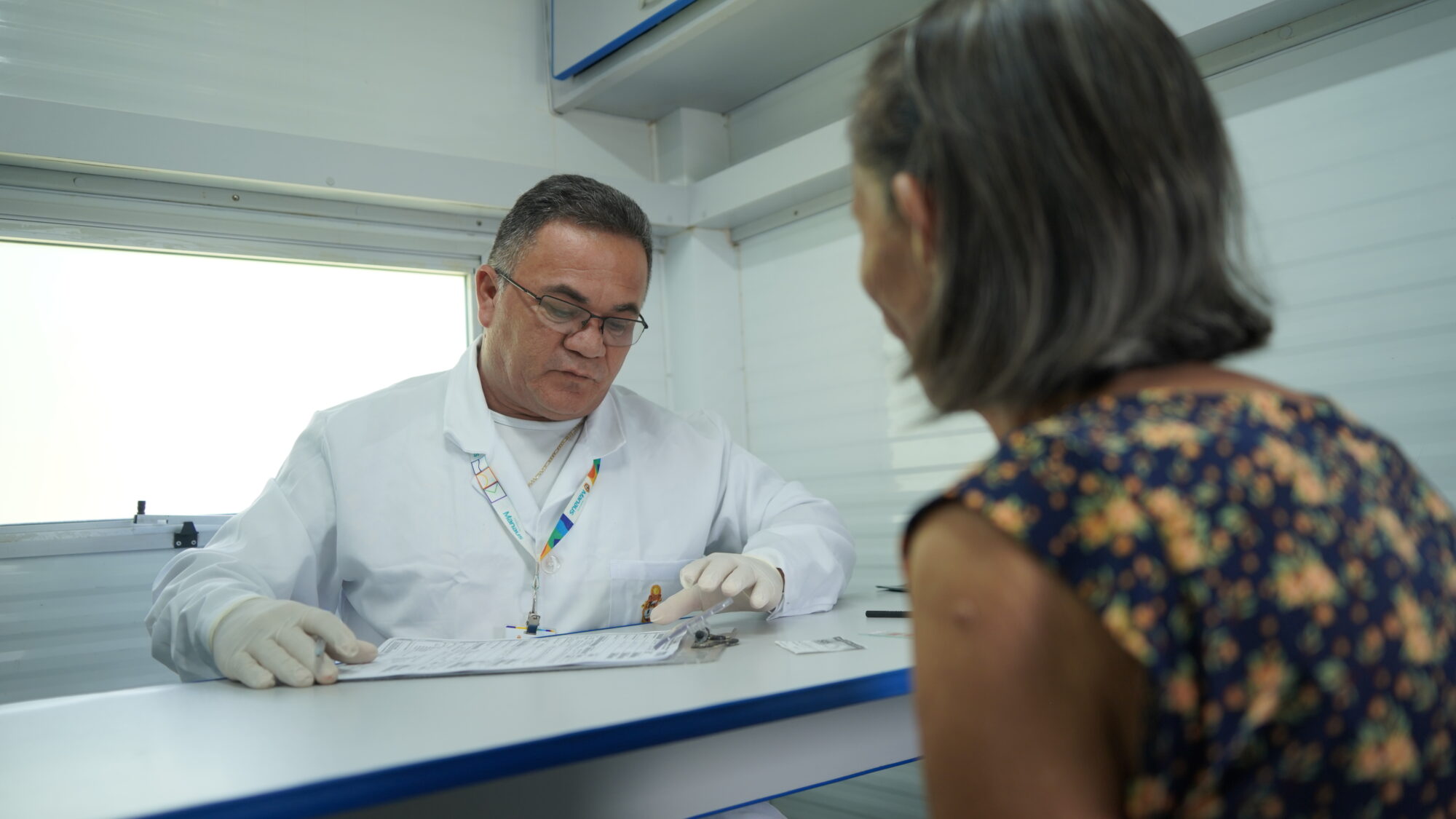
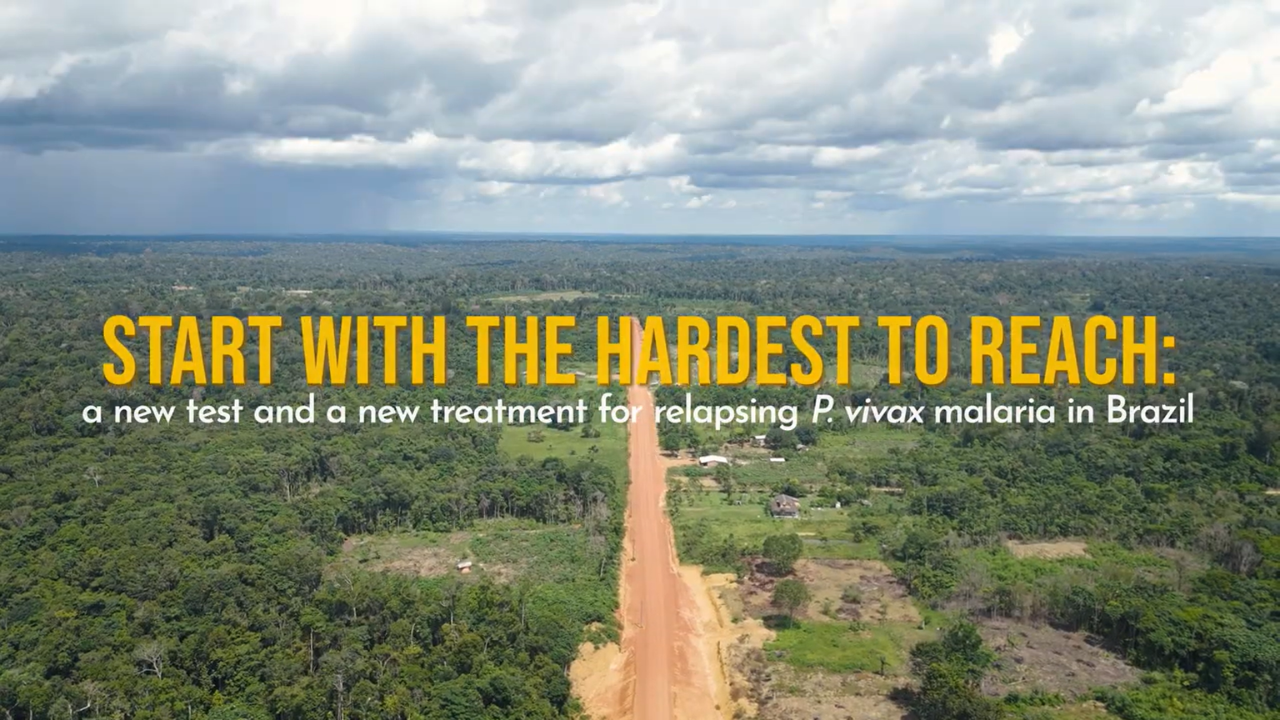
Testing for G6PD enzyme deficiency is essential for healthcare workers to safely provide the most appropriate treatment for P. vivax malaria.

From 2022 to 2025, we provided SD Biosensor with a volume guarantee to secure the availability of G6PD tests in countries with a high P. vivax malaria burden.
The challenge

Public health

The P. vivax malaria parasite caused an estimated 6.9 million cases of malaria in 2022. Complete treatment requires elimination of the parasite from the blood as well as the liver. This treatment is known a ‘radical cure’.

However, doctors are wary of prescribing the most effective treatments because the treatments can cause severe anaemia in patients who are deficient in the enzyme glucose-6 phosphate dehydrogenase (G6PD). This affects 400 million people worldwide.

The World Health Organization (WHO) recommends conducting a G6PD deficiency test prior to treatment of P. vivax malaria patients, to guide treatment decisions. But many countries have not adopted this recommendation meaning point of care G6PD tests are not widely available.

In places with no access to G6PD testing, patients are usually prescribed longer courses of primaquine with lower dosing. However, patients often stop taking the pills when they start to feel better and this can lead to reinfection because the parasite persists in their liver.

Market situation

G6PD testing is required for countries to be able to roll-out tafenoquine, a new, more effective treatment for P. vivax malaria.

However, widespread adoption of G6PD testing has been limited due to inconsistent supply, low affordability, and the absence of cost-effectiveness, operational, and feasibility studies. In turn, commercial sustainability of the product has been threatened by the relatively small market size, uncertain demand, and complexity of producing and commercialising testing equipment. This caused some suppliers to exit the market.

At the time, SD Biosensor’s STANDARD G6PD Test was the only quantitative point-of-care G6PD test on the market. Demand visibility was critical to sustaining production levels and supporting the commercial feasibility of the product, while high-burden priority countries finalised studies, and rolled-out G6PD testing in accordance with WHO recommendations.

Impact

By the end of the agreement:

20,500

additional people on any treatment

42,300

malaria relapses averted

$2m

saved for procurers

The product

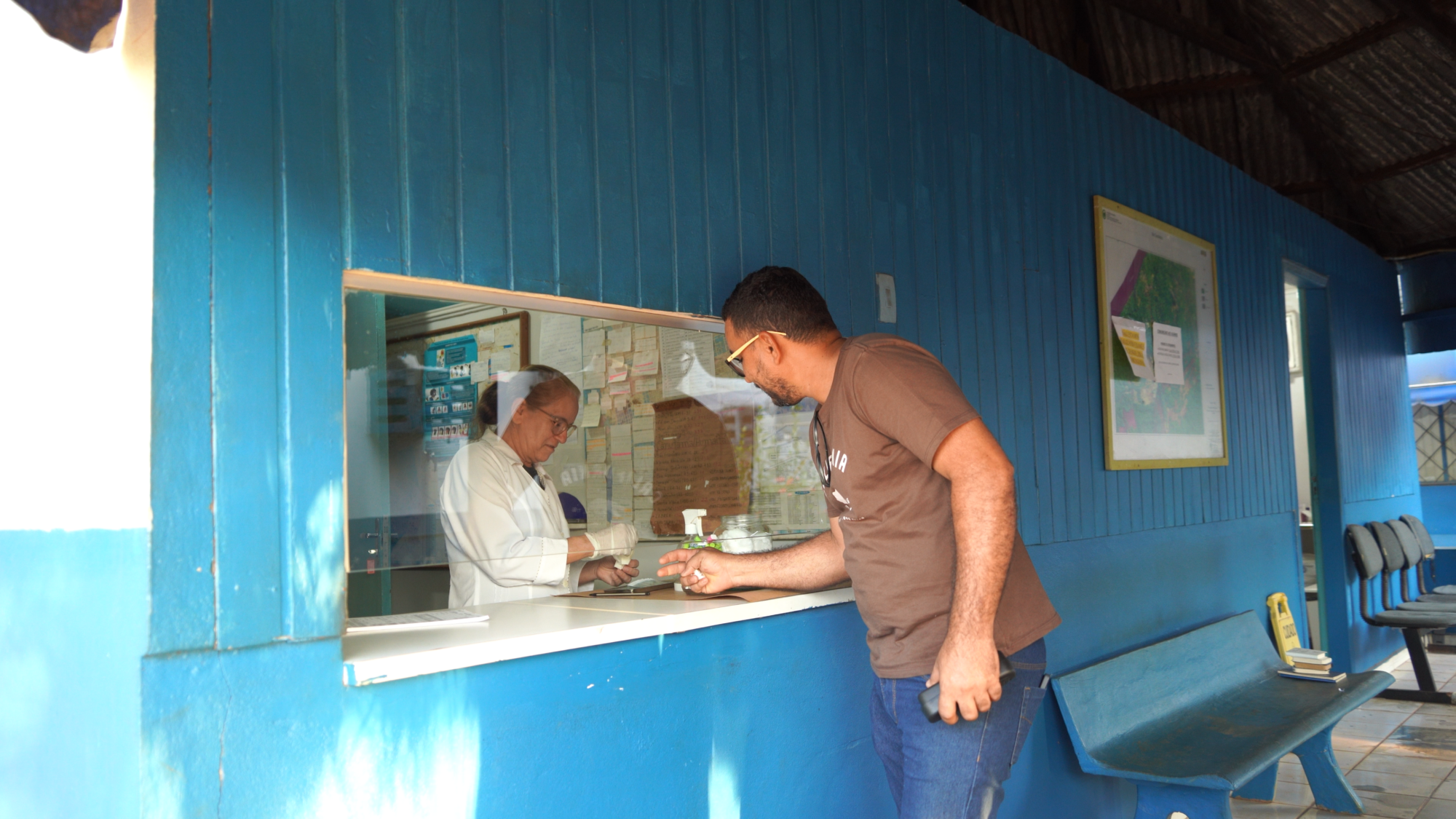
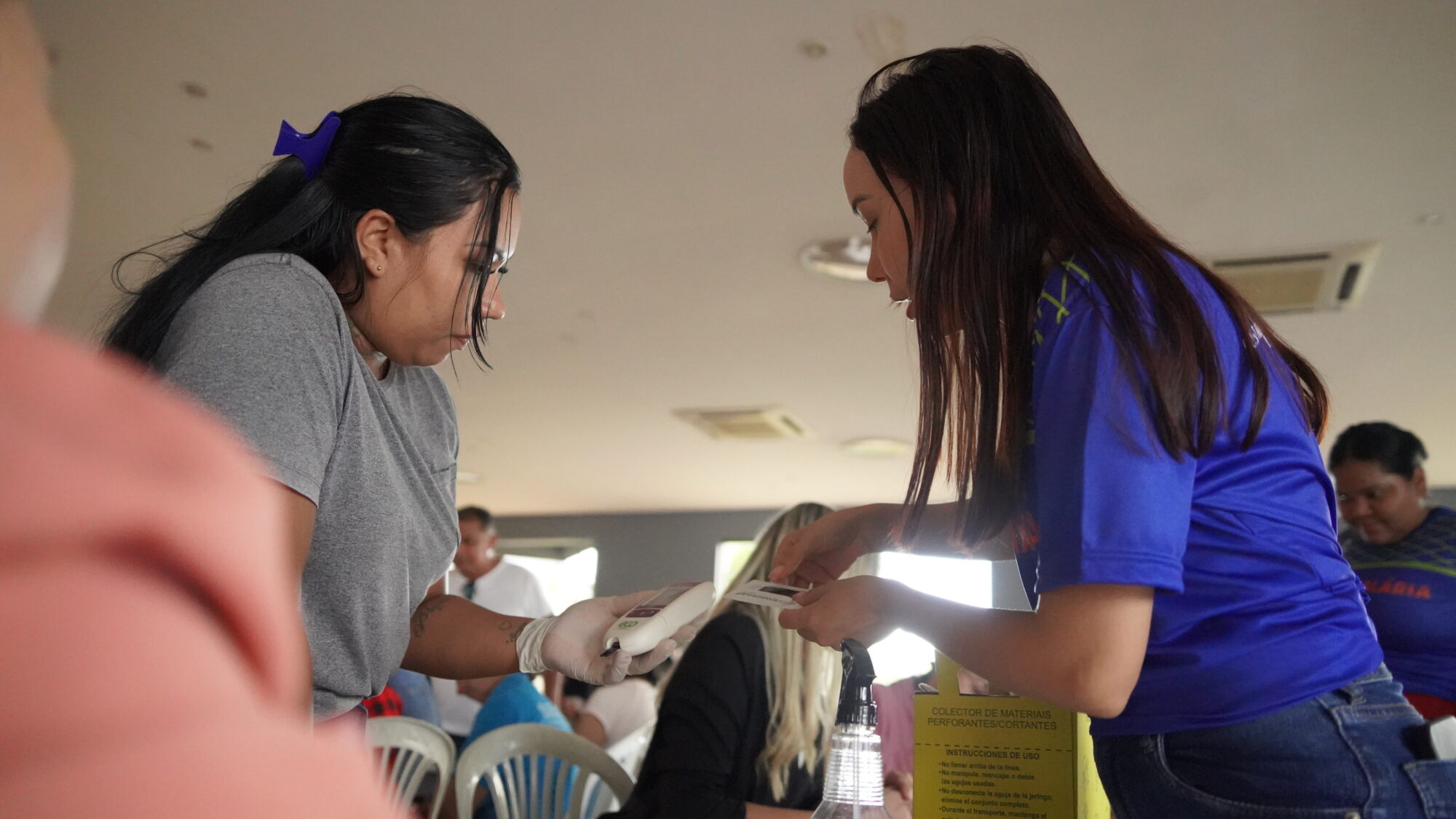
The G6PD point-of-care test allows doctors to test patients for G6PD deficiency and receive results within two minutes.

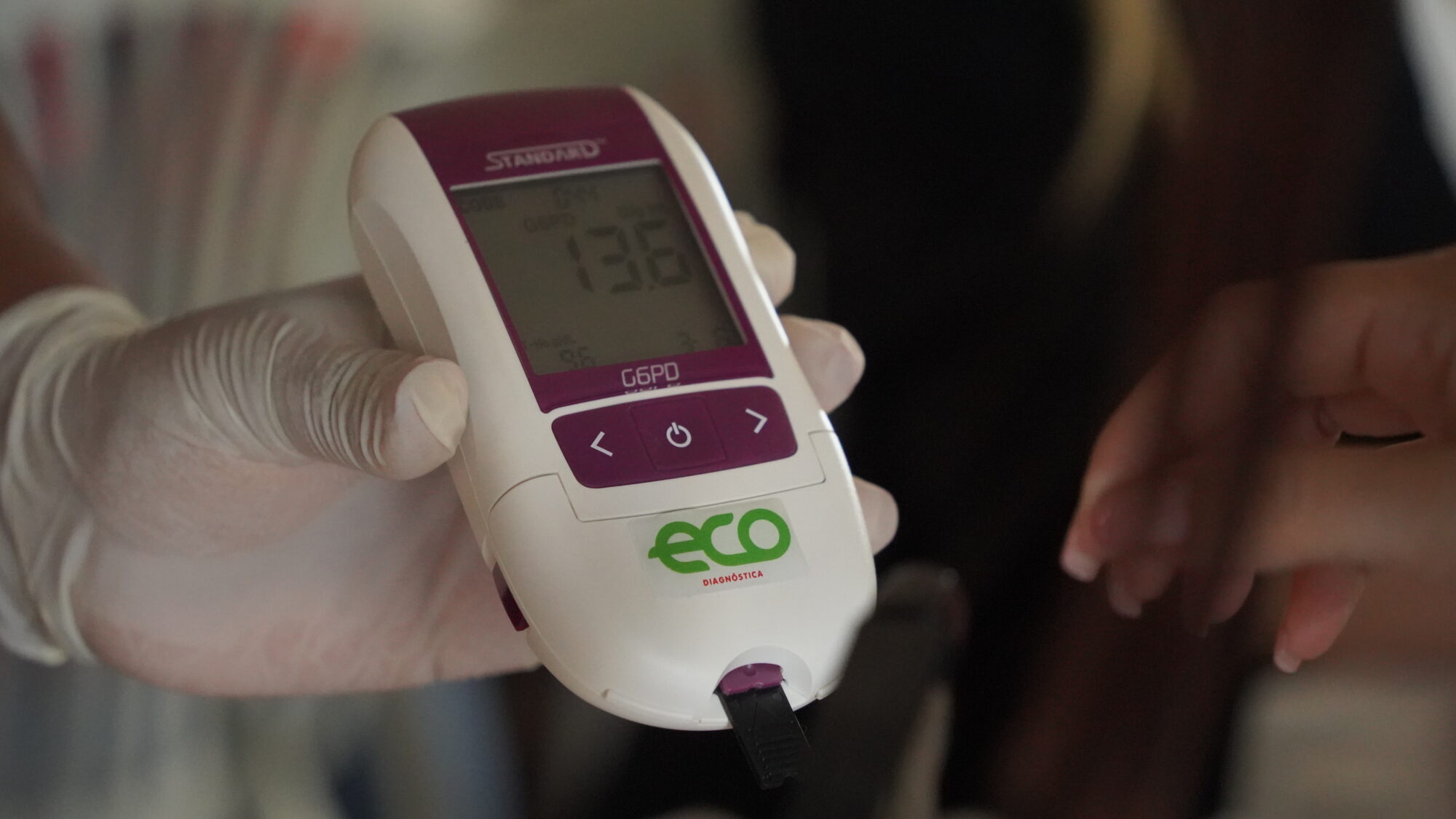
The device requires taking a pin prick of blood, which is tested in the analyzer. This looks for quantitative G6PD enzyme activity.

The analyzer is battery-operated and fits in the palm of one hand, so it can be easily stored and moved.

SD Biosensor's G6PD analyzer

The partnership

MedAccess provided a volume guarantee to SD Biosensor.

SD Biosensor continued to produce and supply its G6PD testing devices and test strips globally, and offered both products at a reduced price in low-and-middle-income countries.

PATH continued to work with countries with high P. vivax malaria incidence to increase use of G6PD testing and uptake of ‘radical cure’ treatment.

The new ceiling price was available in certain eligible countries.

Our innovative finance products

Impact

Our guarantee helped to ensure the G6PD market remained active ahead of expected market entry by companies with new devices. A healthy market with multiple suppliers will ensure more stable supply of G6PD testing in the future and lead to more competitive pricing.

A more stable G6PD testing market will also support increased prescription of effective treatment, contributing to reductions in P. vivax malaria reinfections and supporting progress towards elimination.

By the end of the agreement, we estimate that the partnership contributed to:

  • 20,500 additional people receiving treatment, whereas without testing they wouldn’t have received any medication
  • 42,300 fewer P. vivax malaria relapses
  • $2 million saved for procurers, over the volume guarantee period.

How we calculated the impact of this agreement

Lives changed

Estimates for treatment eligibility were derived from projections by Watson et al. Estimates of treatment outcomes were derived from a 2020 meta-analysis by Rodrigo et al.

Money saved

Impact was based on actual price reductions for G6PD tests over the course of the volume guarantee.

Markets shaped

We work with partners, including donors, procurers and ministries of health, to track changes in health markets where our investments are supporting access to products. We monitor for changes to policy, procurement practices and supplier movement, all of which affect markets and contribute to the long-term sustainability of impact.
GSK: RTS,S malaria vaccine

RTS,S is the world’s first malaria vaccine, designed specifically to tackle malaria in Africa.

In 2021, we partnered with Gavi, the Vaccine Alliance and GSK on an innovative financing arrangement to sustain production of RTS,S antigen ahead of key policy and funding decisions.

The challenge

Public health

Malaria is a life-threatening illness caused by parasites transmitted to people bitten by infected female Anopheles mosquitos.

The World Health Organization (WHO) estimates that malaria claimed 601,000 lives in 2021. Africa is disproportionately affected by malaria, accounting for approximately 95% of the cases and 96% of the deaths worldwide in 2021; nearly 80% of those deaths were in children under five.

Although existing interventions have helped to reduce malaria deaths significantly since 2000, a vaccine adds an important complementary tool for malaria control efforts.

Before GSK and partners developed RTS,S, the world had never had a malaria vaccine. The RTS,S vaccine was developed specifically to tackle P. falciparum malaria in Africa.

Market situation

RTS,S received a positive medical opinion from the European Medicines Agency in 2015. At the time of signing this agreement, the vaccine was being piloted in routine immunisation programmes through the World Health Organization’s Malaria Vaccine Implementation Programme (MVIP). Interim data from the pilots was expected in late 2021, which would enable WHO to issue a recommendation for wider use. GSK committed to produce the vaccines required for the MVIP but was unable to promise further production until there was certainty on vaccine roll-out and demand. This required a recommendation for use from WHO and funding commitments from Gavi.

Because the vaccine was to be given as part of routine immunisation for children – rather than campaigns for adults – there was no other viable market for the vaccine. A halt in manufacturing would have resulted in millions of children not having access to the vaccine while production was restarted and scaled up.

Since the first rollout in 2024, we estimate that the RTS,S malaria vaccine has resulted in…

2.6m

children being vaccinated

3m

malaria cases averted

12,100

deaths averted

The product

The RTS,S/AS01e vaccine was developed by GSK and partners over more than three decades.

It was the first malaria vaccine to successfully complete clinical trials, with an efficacy of 39% against clinical malaria over an 18-month period for children first immunised between the ages of five to 17 months.

Vaccines are an important additional tool in the fight against malaria, especially in areas where access to other tools, such as mosquito nets, may be limited.

About the RTS,S vaccine

The partnership

Gavi agreed to fund GSK’s continued production of the RTS,S antigen for up to three years. If the Gavi Board approved a malaria vaccination programme (following a positive WHO recommendation), GSK would credit the value of the Gavi-funded costs towards procurement of the malaria vaccine doses for the Gavi-supported programme.

If no malaria vaccination programme was approved, MedAccess would replenish Gavi for the majority of costs incurred.

On 6 October 2021, WHO recommended the use of the RTS,S vaccine for prevention of P. falciparum malaria in children living in regions with moderate to high malaria transmission.

On 2 December 2021, the Gavi Board approved a $155.7 million programme to support the introduction, procurement and delivery of the malaria vaccine to Gavi-eligible countries in sub-Saharan Africa.

Our innovative finance products

Impact

Our guarantee meant Gavi could provide funding to ensure GSK’s continued production of RTS,S antigen ahead of policy and funding decisions. A halt in production could have meant millions of children in Africa missing out on the vaccine, which will be given as part of routine immunisation. More doses will be available more quickly for country introductions following positive policy and funding decisions from WHO and Gavi.

Projections for this guarantee were based on two-years of guaranteed production, plus catalysed ramp-up made possible by avoiding a factory shutdown. Due to the shorter than expected period of this guarantee, projections will be adjusted based on new data.

Since the first rollout in 2024, we estimate that the RTS,S malaria vaccine has resulted in 2.6 million children being vaccinated, 3 million malaria cases averted, 12,100 deaths averted and $93.6 million in direct savings for procurers.

How we calculate the impact of this agreement

All development impact estimates were dependent on the exact timing of WHO’s policy decision and Gavi’s funding decision. We projected impact across various timelines between 2021 and 2028 to ensure we captured the full range of potential impact.

Lives changed

Inputs used to estimate expected additional children vaccinated through the accelerated access to RTS,S include timing of key policy and funding decisions, expected production schedules, and projected demand following a Gavi decision. Deaths and cases averted are estimated using modelling published by Penny et al. in 2016 and assume available vaccine doses will be used to fully vaccinate fewer children rather than partially vaccinate a greater number.

Money saved

Impact is estimated based on the additional costs associated with a stop-and-start production scenario, which was used to calculate an average price per dose for projected doses purchased between 2021 and 2028 across various timelines.

Markets shaped

We work with partners, including donors, procurers and ministries of health, to track changes in health markets where our investments are supporting access to products. We monitor for changes to policy, procurement practices and supplier movement, all of which affect markets and contribute to the long-term sustainability of impact.
BASF: Next-generation mosquito nets

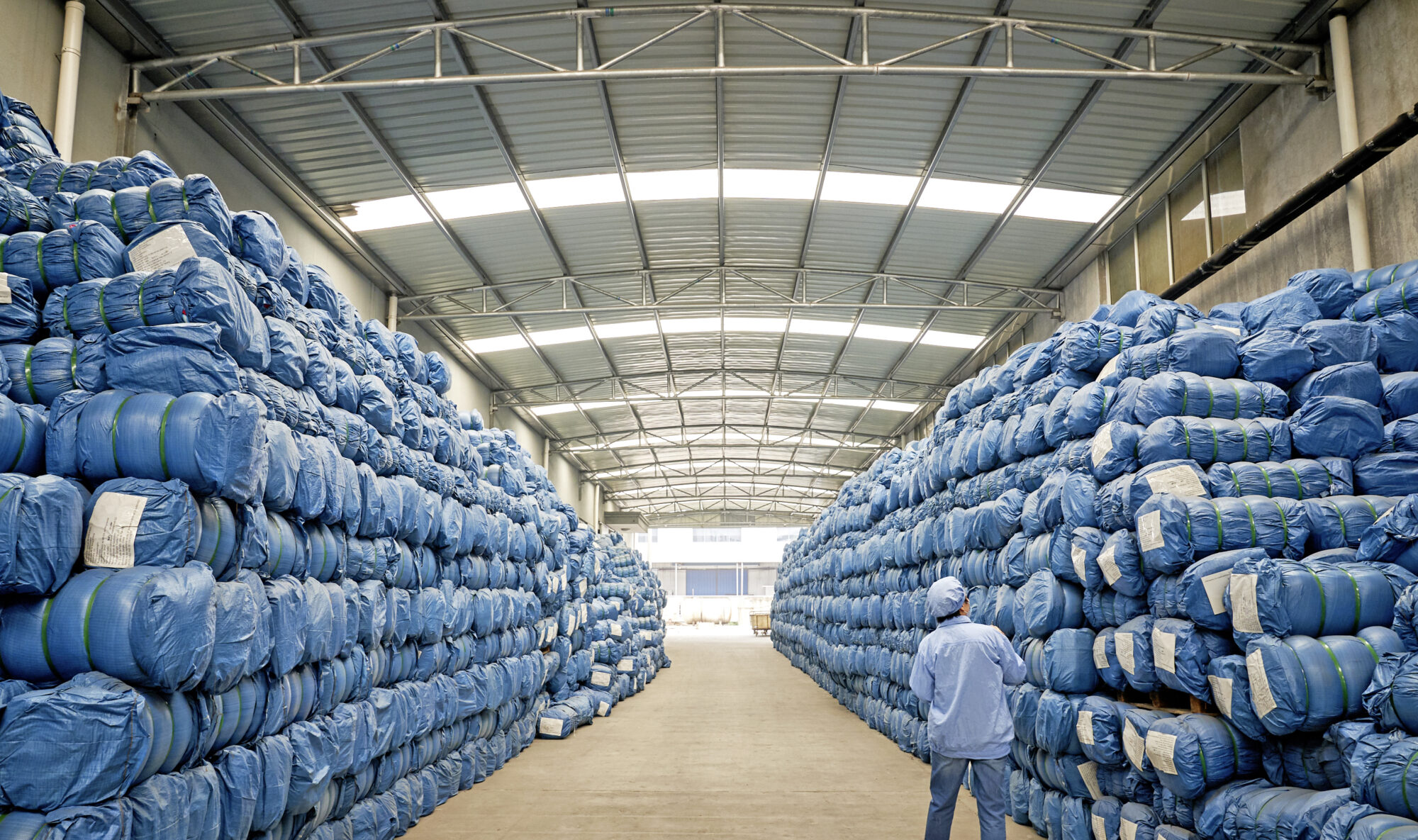
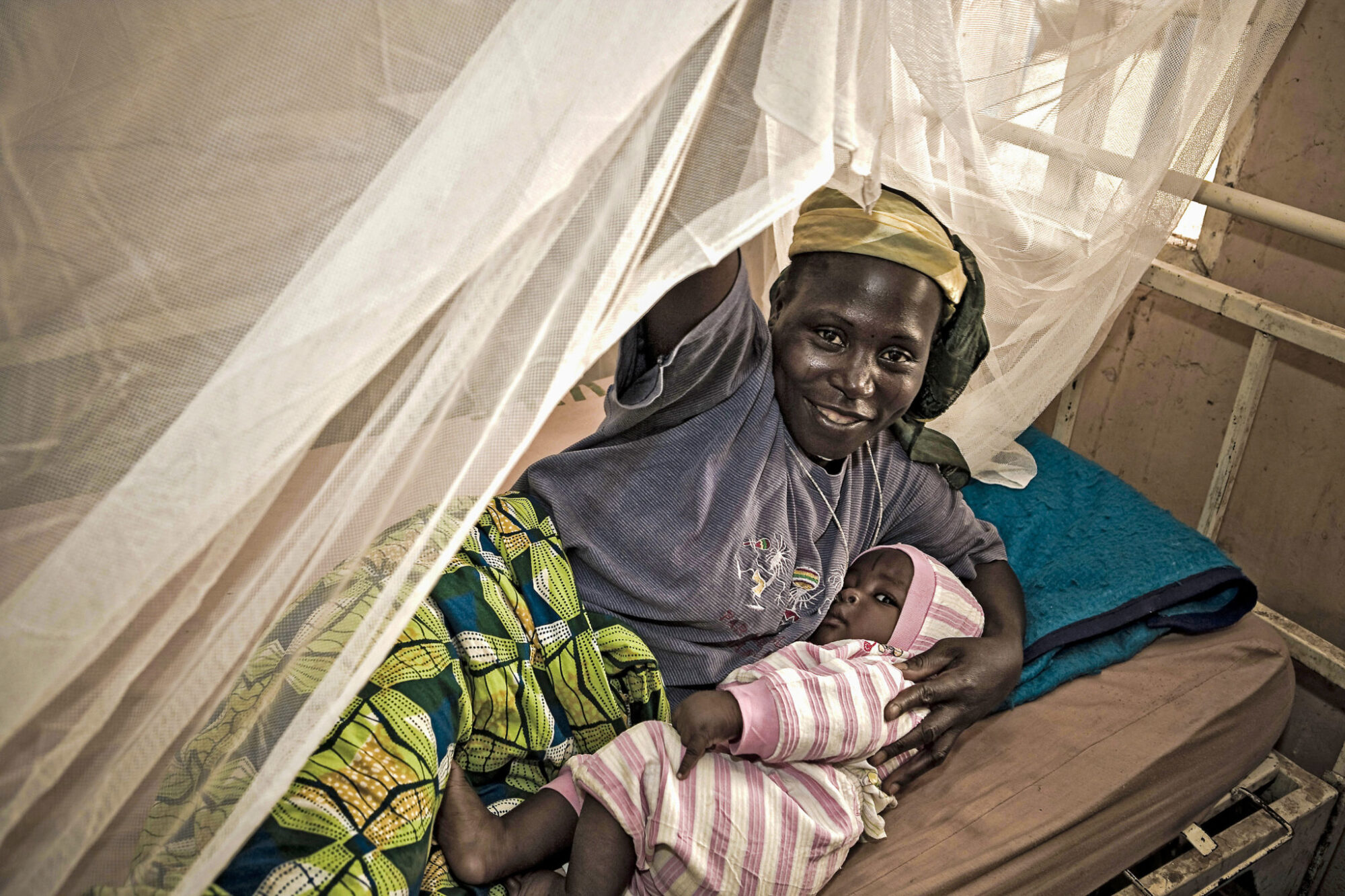
Growing mosquito resistance to standard pyrethroid-only nets is threatening decades of progress against malaria.

From 2019 to 2022, we supported BASF with a volume guarantee to reduce the price of its next-generation Interceptor® G2 dual-insecticide nets, so tens of millions of people could benefit from accelerated access.

Read impact story

The challenge

Public health

Malaria is a life-threatening illness caused by parasites transmitted to people bitten by infected female Anopheles mosquitos. The World Health Organization (WHO) estimates that malaria claimed 567,000 lives in 2019. Africa is disproportionately affected by malaria, accounting for approximately 95% of the cases and 96% of the deaths worldwide in that same year; 80% of those deaths were in children under five.

Insecticide-treated nets (ITNs) help prevent the spread of malaria by providing a physical barrier between mosquitos and sleeping people. However, growing resistance among mosquitos to pyrethroids – the main insecticide class used in standard ITNs – is hindering progress. According to WHO, 78 of the 88 malaria-endemic countries, covering all regions of sub-Saharan Africa, reported mosquito resistance to at least one of the four commonly-used insecticide classes in the period 2010-2019. Millions more people are at risk as standard nets become less effective in high resistance areas.

Market situation

While the price of standard nets has reduced substantially over the past decade, next-generation nets are more expensive. Despite its benefits, uptake of this new net was expected to be slow due to market-related barriers, including slow prioritisation, adoption uncertainty, and higher prices related to production. Many countries were cautious about buying next-generation nets as data from randomised controlled trials in Tanzania and Benin were being collected ahead of publication in 2022 and 2023 respectively.

In 2018, BASF’s Interceptor® G2 net was the only dual-active ingredient net using pyrethroid and chlorfenapyr, a new class of insecticide in public health. This made a volume guarantee the ideal instrument to address the high-price low-volume dynamic and support accelerated introduction of the nets ahead of expected growth in the market for dual-active ingredient nets.

Impact

By the end of the agreement:

15.6m

malaria cases averted (additional to standard nets)

122k

severe malaria cases averted (additional to standard nets)

36,200

deaths averted (additional to standard nets)

The product

BASF developed the Interceptor® G2, a dual-active ingredient net that uses chlorfenapyr in combination with pyrethroid, the standard insecticide generally used in ITNs. The new net is more effective in killing mosquitos that are resistant to pyrethroids, while still being able to kill mosquitos that have not developed resistance.

Two studies randomised control trials, in Tanzania and Benin, have shown Interceptor® G2 nets to be highly effective at reducing malaria cases. In both trials Interceptor® G2 outperformed other next generation nets and the current standard of care.

BASF's Interceptor® G2 nets

The partnership

MedAccess and the Gates Foundation provided a volume guarantee to BASF for 35 million Interceptor® G2 nets.

BASF agreed to increase production volumes and reduce prices.

The increased visibility into order volumes allowed BASF to better plan long-term resources, scale-up production and reduce prices by up to 40%. This made the nets more accessible and affordable for countries where insecticide resistance is growing and standard nets are becoming less effective.

Our guarantee builds on the commitment of organisations such as the Innovative Vector Control Consortium (IVCC), who partnered with BASF to support the development of the nets. It also supports the objectives of the New Nets Project co-financed by the Global Fund to fight AIDS, Tuberculosis and Malaria and Unitaid.

Our innovative finance products

Impact

By the end of the agreement:

$24m

direct savings for public bodies

$34.2m

savings to health systems due to averted cases and treatment

19

countries ordered Interceptor® G2 mosquito nets

The impact

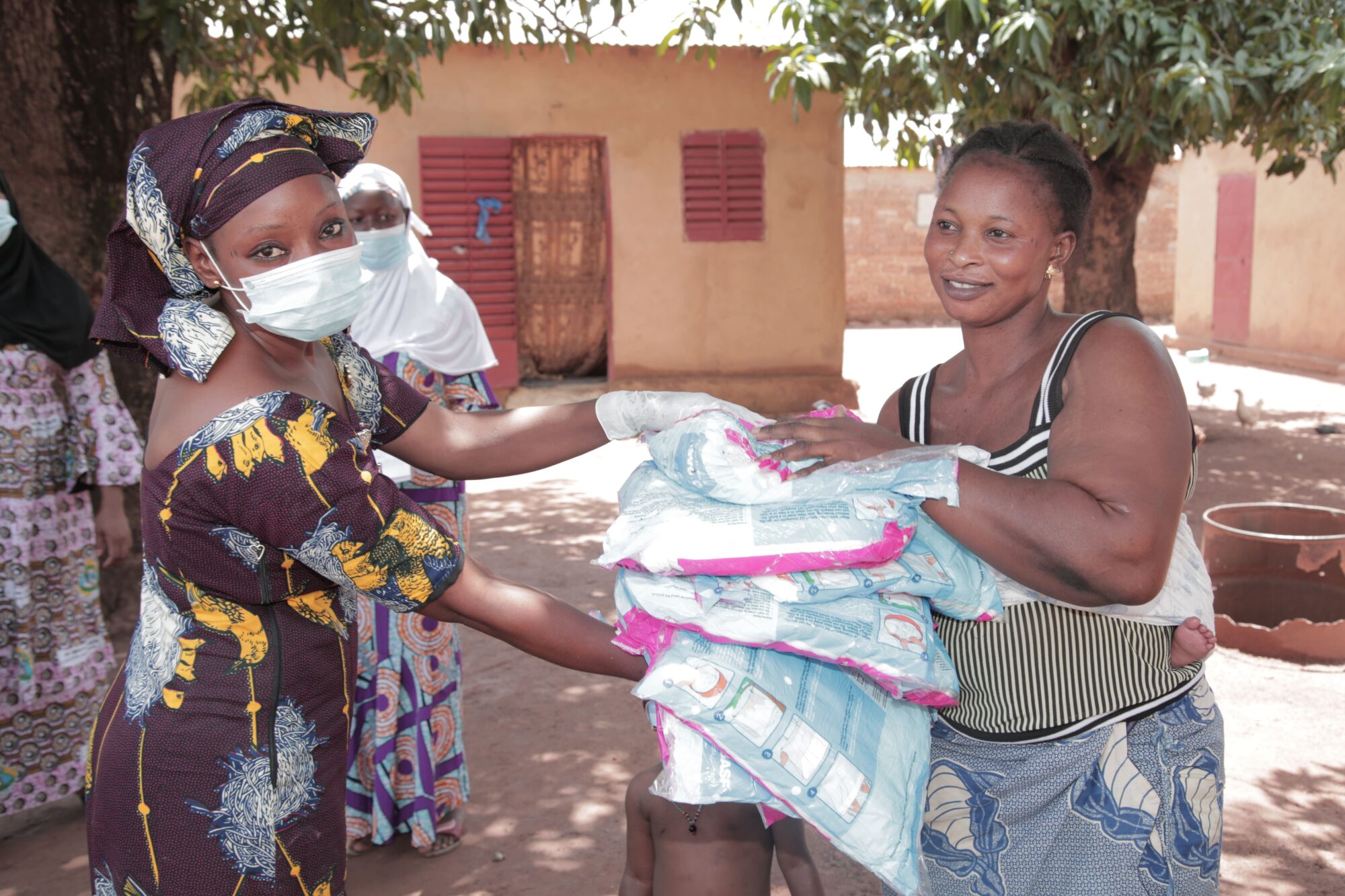
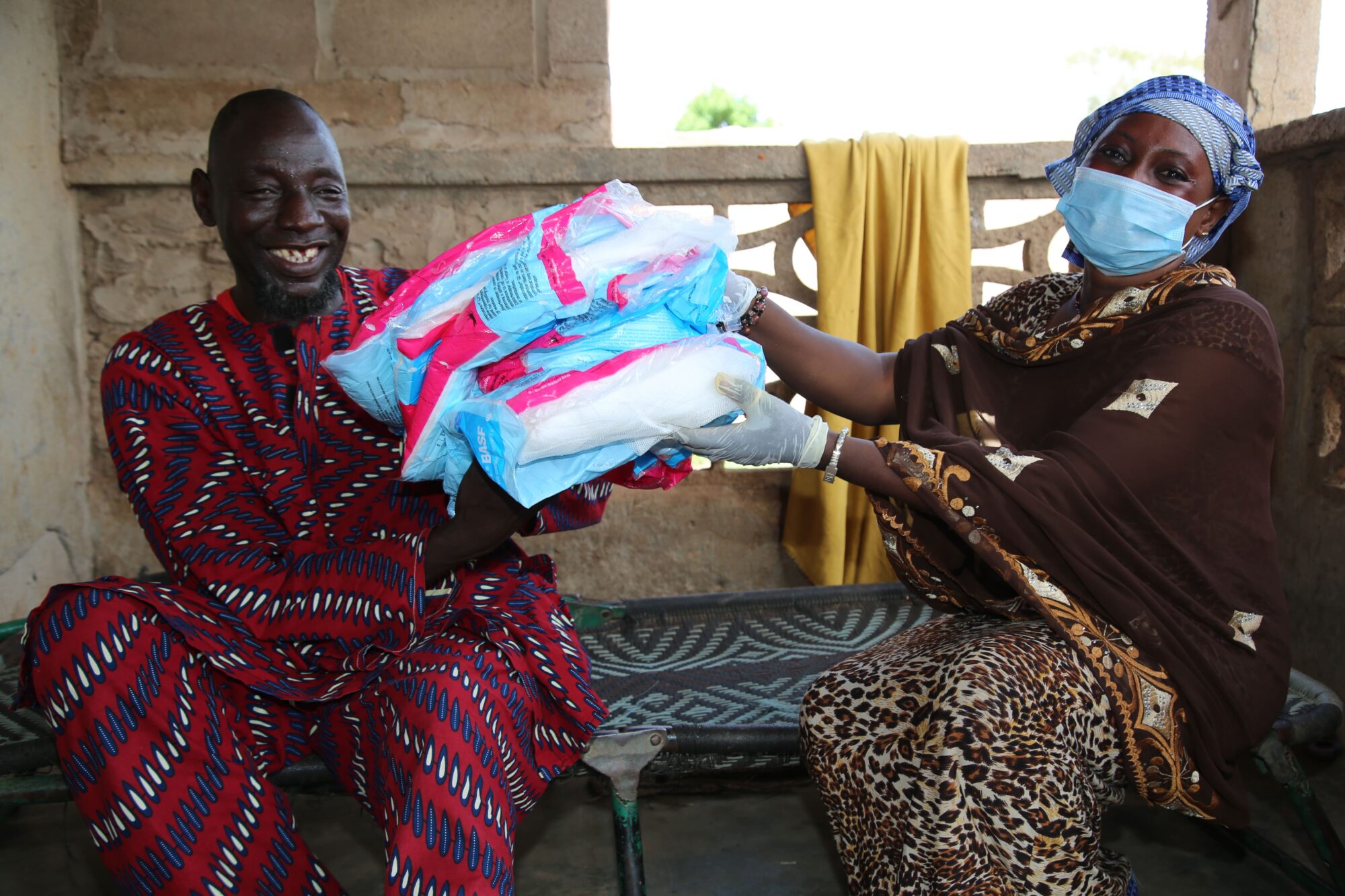
Our guarantee has accelerated the introduction of a net designed to address the increasing issue of insecticide resistance and has catalysed rollout in countries with high malaria burden. Since the guarantee was signed, 19 countries have placed orders for next-generation nets.

As of the end of 2022, the partnership had contributed to:

  • nets distributed in 19 countries which are expected to avert approximately 15.6 million malaria cases and save 36,200 lives over the nets’ three-year lifespan.
  • price reductions of an average 40% led to direct savings of at least $24 million for procurers compared to what they otherwise would have paid for Interceptor® G2 nets.
Read impact story

How we calculated the impact of this agreement

Lives changed

Impact was based on projections developed by malaria modelling experts at Imperial College London. The figures provided by Imperial represent the impact of switching from standard long-lasting insecticide-treated nets to Interceptor® G2 nets within the countries where the nets are distributed.

Money saved

The price of individual nets varies by size. Impact was estimated based on actual price reductions for an average-sized net over the course of the volume guarantee.

Markets shaped

We work with partners, including donors, procurers and ministries of health, to track changes in health markets where our investments are supporting access to products. We monitor for changes to policy, procurement practices and supplier movement, all of which affect markets and contribute to the long-term sustainability of impact. To quantify change against a baseline, we used publicly available indicators as proxies for market-wide change.

Subscribe to our newsletter

Receive regular updates about how our innovative finance work is making healthcare products more affordable and accessible.

"*" indicates required fields

This field is for validation purposes and should be left unchanged.
Close