Our impact: Oxygen
Every year, 374 million people worldwide need medical oxygen. Without it, even common medical conditions and procedures can quickly turn fatal.
We are working to increase the availability of lifesaving medical oxygen in countries that lack consistent access.
© iStock/onurdongel
Global overview of oxygen access
Medical oxygen is an essential medicine with no substitute. It is used to treat a wide range of conditions, including respiratory illnesses like pneumonia and asthma, traumatic injuries, sepsis, heart disease, stroke, sickle cell crises, and complications during childbirth. It is also critical for surgery and post-operative care.
While the COVID-19 pandemic exposed the critical importance of medical oxygen – and the devastating consequences when it is unavailable – access and availability remain limited because of high costs, transportation challenges and low supply.
The challenge
Fewer than half of health facilities in low- and middle-income countries have uninterrupted access to medical oxygen. Of the 300 million people who need medical oxygen every year in low- and middle-income countries, only 30% receive it.
The consequences are deadly: every year, hypoxaemia (dangerously low blood oxygen levels) directly contributes to nine million deaths in low- and middle-income countries, including 1.6 million children under five.
Increasing access to medical oxygen is an urgent global priority. Strengthening oxygen systems is as cost-effective as childhood immunisation and can reduce hospital deaths among children under five by 25% and hospital-based pneumonia deaths by nearly half. Ensuring reliable access to oxygen is therefore one of the most effective investments countries can make to improve health outcomes and prepare for future pandemics.
“Future investment in strengthening oxygen systems could have a huge impact by saving millions of lives, accelerating progress towards the Sustainable Development Goals (SDGs), and preparing the world for future pandemics.”
Lancet Global Health
Commission on medical oxygen security
Our oxygen agreements
Learn more about how we are increasing access to lifesaving medical oxygen in sub-Saharan Africa.
Projected impact by 2029
840k
people receiving oxygen
126k
critically ill patients receiving oxygen
$6m
saved for procurers
Case study
Boosting regional production of medical oxygen in East Africa
While oxygen shortages during the COVID-19 pandemic made headlines worldwide, many low- and middle-income countries were already struggling to provide adequate supply. Sub-Saharan Africa has the world’s largest oxygen access gap, with some countries meeting less than 10% of patients’ needs.
The barriers are complex. Limited local production, high transport costs and fragmented procurement make oxygen expensive and difficult to access.
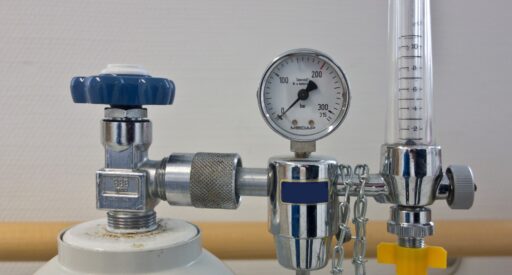
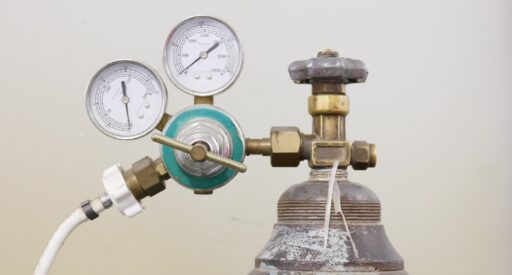
Medical oxygen is supplied as gas or liquid. Gaseous oxygen, the most common form in low-resource settings, is stored in heavy cylinders that are expensive to refill and transport. Because many health facilities buy by the canister, they miss out on the savings available through bulk orders.
Liquid oxygen can be more cost-effective because it takes up far less space, making it easier and cheaper to store and distribute. It can be kept in large tanks at health facilities and delivered to patients through central piping systems.
Partnering on oxygen access
To make liquid oxygen more affordable and available, MedAccess is supporting a partnership with Unitaid, the Clinton Health Access Initiative (CHAI), PATH, and the governments of Kenya and Tanzania.
The East African Programme on Oxygen Access (EAPOA), driven by three leading oxygen manufacturers from Kenya and Tanzania, will boost liquid oxygen production capacity and lower prices by up to 27% across the region. Funded by Unitaid, with contributions from Canada and Japan, the programme combines catalytic grant funding with market-shaping tools.
Our role
We are providing volume guarantees to Hewatele and Synergy in Kenya. The companies will supply medical oxygen to health facilities across Kenya and neighbouring countries at or below an agreed maximum ceiling price. If sales fall short of agreed targets, we will make a shortfall payment. By reducing financial risk, the agreements give suppliers the assurance they need to maintain production and affordable prices.
By 2029, we project that the agreements will help health facilities provide oxygen to 840,000 more people, including 126,000 critically ill patients, while saving health systems more than $6 million.