Our impact on cancer
Cancer remission rates are higher than ever, but survival still depends heavily on where people live.
We are helping expand access to lifesaving radiotherapy in Africa, where cancer is a growing challenge.
© iStock/Jezperklauzen
Global overview of cancer burden
Cancer caused nearly 10 million deaths in 2024, making it the second-leading cause of death worldwide. Many cancers can be cured if detected early and treated effectively, yet access to diagnosis and treatment remains deeply unequal.
In Africa, following strong progress against infectious diseases and with improvements in life expectancy, cancer is a growing health challenge. In 2024, 1.2 million people received a cancer diagnoses across Africa. By 2050, the number of new cases is expected to more than double.
The challenge
Cancer care has not kept pace with the need. For example, most women with breast cancer – the leading type of cancer in Africa, along with cervical and prostate cancers – are diagnosed only after the disease has reached an advanced stage, when treatment is more difficult and survival is less likely.
Although more than half of cancer patients need radiotherapy as part of their treatment, only 33 out of 54 African countries report having access to any radiotherapy technology. To meet international recommendations for the number of radiotherapy machines per person, Africa would need around 6,000. It currently has only 660 – barely 10% of the number needed.
Without timely access to effective treatment, cancers that could be cured or controlled become fatal. In 2024, cancer claimed more than 720,000 lives across Africa – nearly 2,000 every day.
“Cancer is no longer a silent crisis in Africa. It is a growing public health emergency that demands urgent, equitable and sustained action.”
Dr Mohamed Janabi
WHO Regional Director for Africa
Our cancer agreement
Learn more about how we are helping expand access to radiotherapy treatment.
Projected impact
Up to
22,400
more cancer patients expected to be treated
Around
1,700
more people could survive for at least five years after treatment
Case study
An innovative pay-per-use model for radiotherapy
Radiotherapy is an essential treatment for many cancers, including brain, head and neck, lung, breast, prostate, rectal, cervical and uterine cancers. It uses high-energy radiation to damage cancer cells’ DNA, stopping them from growing and dividing while minimising damage to healthy tissue.
But radiotherapy machines are expensive to buy, operate and maintain. For many low- and middle-income countries, the challenge is not only the high upfront cost, but also the long-term cost of keeping machines running. When maintenance systems fail or budgets fall short, machines may sit unused, patients face delays or lose access, and cancer care becomes less reliable.
Partnering with Elekta
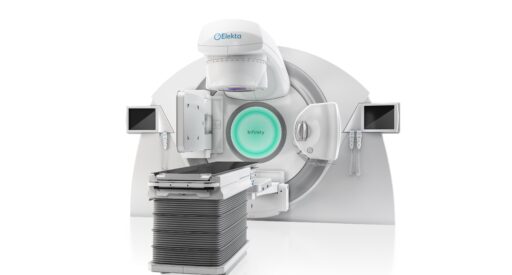
MedAccess and Elekta are addressing this through a pay-per-use model for radiotherapy in public and public-private health facilities in Kenya and Tanzania. Countries pay a smaller upfront fee, then make per-user payments when patients begin treatment. The package includes equipment, service and maintenance, helping facilities deliver more reliable care.
We support the model through a volume guarantee. For each machine installed, we guarantee Elekta a minimum patient usage. If demand is lower than expected, we will make a shortfall payment. This reduces Elekta’s financial risk while helping countries access lifesaving radiotherapy through a more affordable, sustainable financing model.
Projected impact
Based on projected machine installations, an estimated 22,400 additional cancer patients could receive radiotherapy during the first six years after installation. This means an estimated 1,700 more people could survive for at least five years after treatment – a globally recognised measure of long-term cancer survival. Beyond these benefits, the partnership supports governments to implement national cancer strategies while demonstrating a more sustainable approach to financing radiotherapy.
The partnership is the first of its kind for cancer care in Africa, showing how innovative financing can expand access to life-saving radiotherapy in lower-resource settings.