How can health systems withstand a changing climate?
During London Climate Action Week, Dr Tristana Perez, MedAccess’ Head of Impact, reflects on how climate pressures are reshaping health systems, and why resilience depends on rethinking supply chains, service delivery, and product innovation.
26 June 2026 | Insight
By Dr Tristana Perez, Head of Impact
During London Climate Action Week, I attended an insightful event hosted by Economist Enterprise exploring the intersection of climate and health.
Two themes stood out.
First, the growing strain climate change is placing on health systems. We heard how health supply chains remain highly vulnerable to climate shocks, with disruptions that, in some ways, echo the fragility exposed during COVID-19. At the same time, changing environmental conditions are already affecting health: heat exacerbating chronic illness, rising risks to child nutrition and overlapping pressures on food systems, disease patterns and livelihoods.
Second, the need to rethink how we design and deliver health services in this context.
I came away with a few reflections that I’m still sitting with:
- Access vs sustainability is not a simple trade-off.
Single-use products can expand access and save lives today, particularly in low-resource settings and yet they come with clear sustainability costs. Navigating this tension will require more nuanced, context-specific solutions rather than blanket approaches. - Impacts are not episodic, they compound.
Climate-related shocks don’t happen in isolation. They stack on top of each other. Drought affects food supply, which affects nutrition, which increases susceptibility to disease and thus creating reinforcing cycles that are hard to break. Our responses need to shift from reacting to individual shocks to addressing these interconnected systems. - Resilience needs to be built into the last mile.
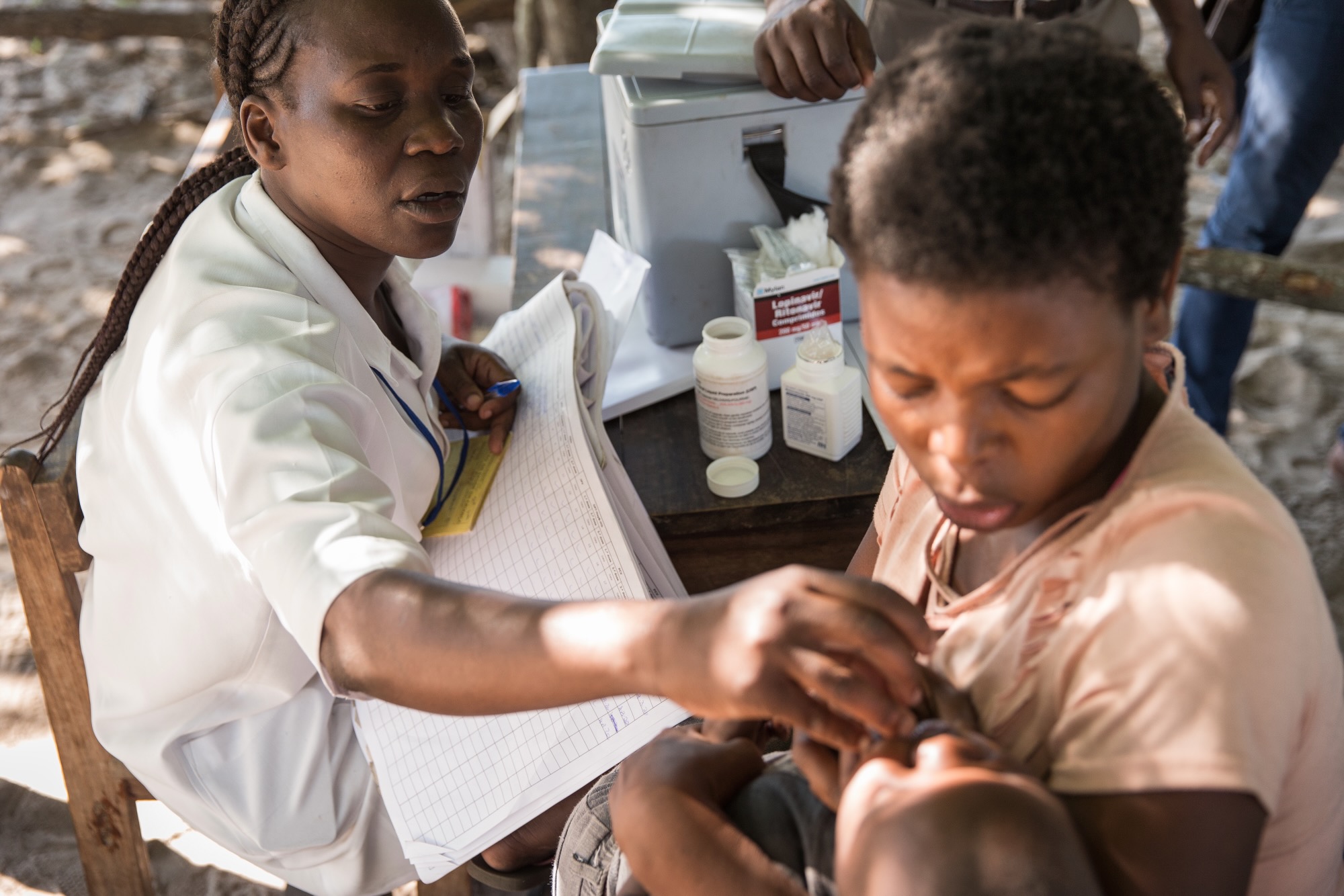
Some of the most compelling examples at the event focused on bringing care closer to communities: mobile services, expanded community health worker networks, and systems that continue to function during floods, extreme heat, or power outages. - There is a gap between recognition and action.
While the climate-health link is increasingly acknowledged, policy, advocacy, and financing for solutions that are already needed today are lagging. Supporting those implementing practical, on-the-ground responses now feels critical.
One additional reflection, and one that feels central to MedAccess’ role, is the importance of fit-for-context products as part of system resilience.
If climate impacts are compounding, then breaking those cycles requires innovative products designed to fit the environments in which they are used: medicines, diagnostics, and other tools that can withstand high temperatures, work without reliable electricity and still reach communities cut off by floods or disrupted infrastructure. That means shaping markets for products designed for an increasingly extreme climate.
In that sense, product design is not separate from access or resilience. It is one of the levers we have to help interrupt these cycles before they deepen. This is where innovative finance and market shaping can play a critical role: helping ensure that manufacturers are incentivised to develop products needed in climate-exposed settings and to make sure they are affordable, available and, where relevant, adaptable.
The conversation also reinforced the importance of prioritising long-term prevention, particularly for children, and investing in areas like nutrition, resilient food systems and social protection.
I came away from the event with strong reminder that addressing the climate–health nexus is not just about future risks, but about redesigning systems today to better withstand what is already here.