Menu

Gavi: COVID-19 vaccines

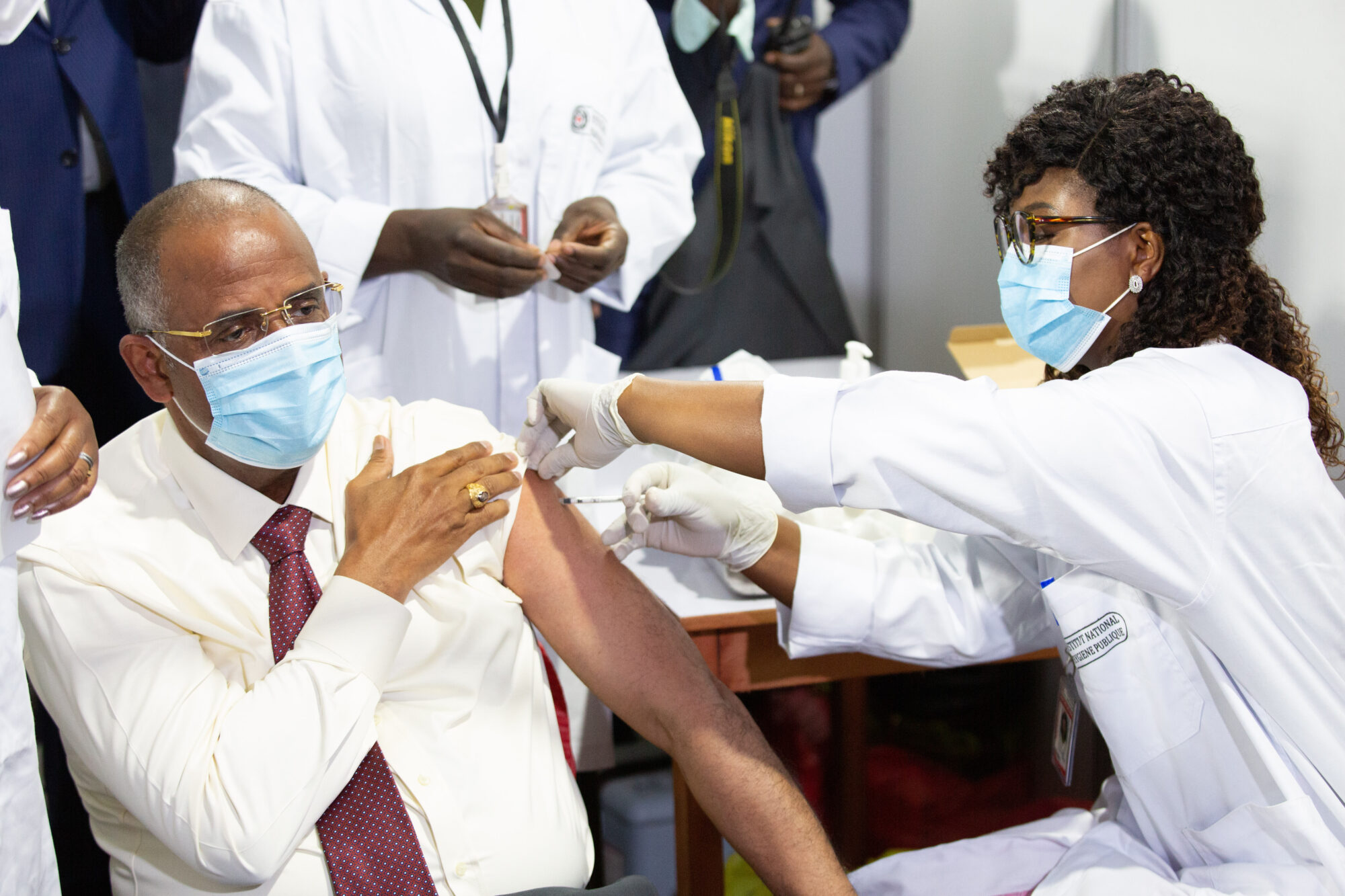
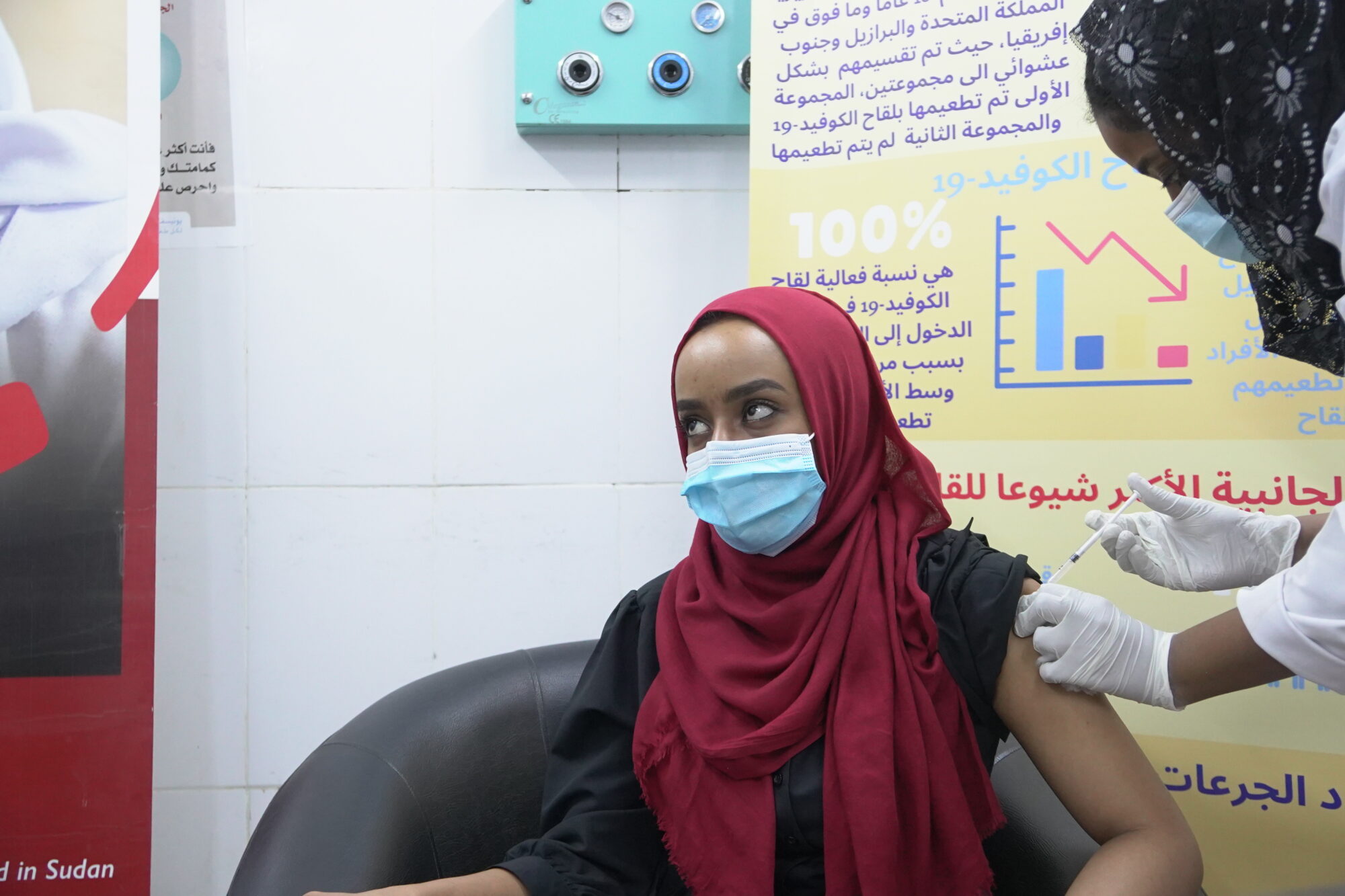
Many countries needed a way to self-fund additional COVID-19 vaccine doses through the COVAX Cost-Sharing Mechanism, beyond those provided for free.

From 2022 to 2023, we provided a $100 million guarantee to help COVAX meet projected country demand.

The challenge

Public health

On 11 March 2020, the World Health Organization (WHO) declared COVID-19 a pandemic. COVID-19 remains the most widespread public health crisis in more than a century. By the end of 2021, more than 5.4 million COVID-19 deaths had been officially reported worldwide, although WHO estimates that the true death toll was substantially higher.

Unprecedented scientific, industrial, and political collaboration saw COVID-19 vaccines developed in record time. The vaccines were highly effective at preventing severe disease and protecting lives.

But by the end of 2021, just 33% of people in Africa had received a first dose and 98 countries had missed the target set by WHO of vaccinating 40% of their populations.

Market situation

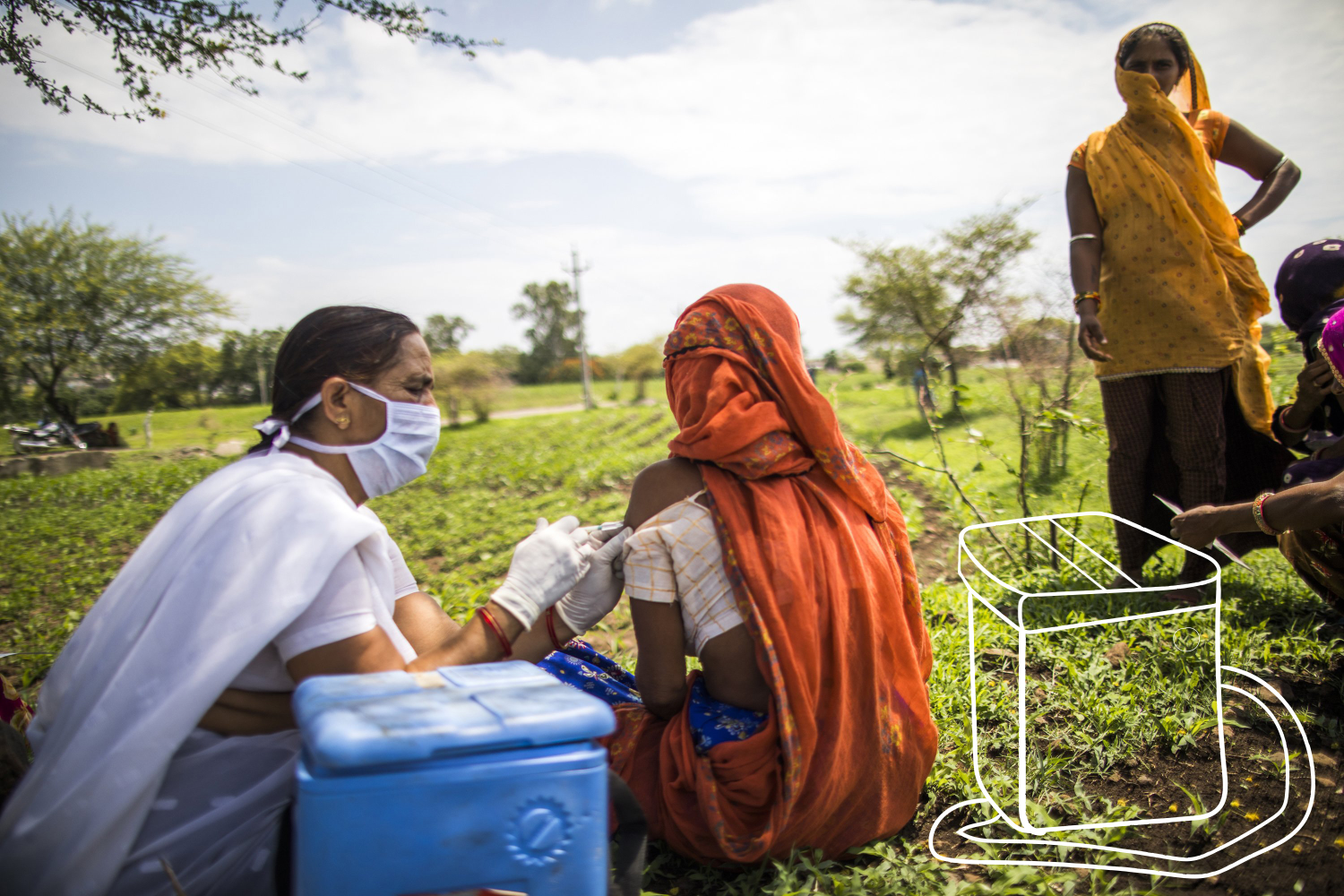
COVID-19 vaccine distribution was fraught with inequality. While high-income countries quickly secured deals for billions of doses, lower-resource countries struggled to access the shots.

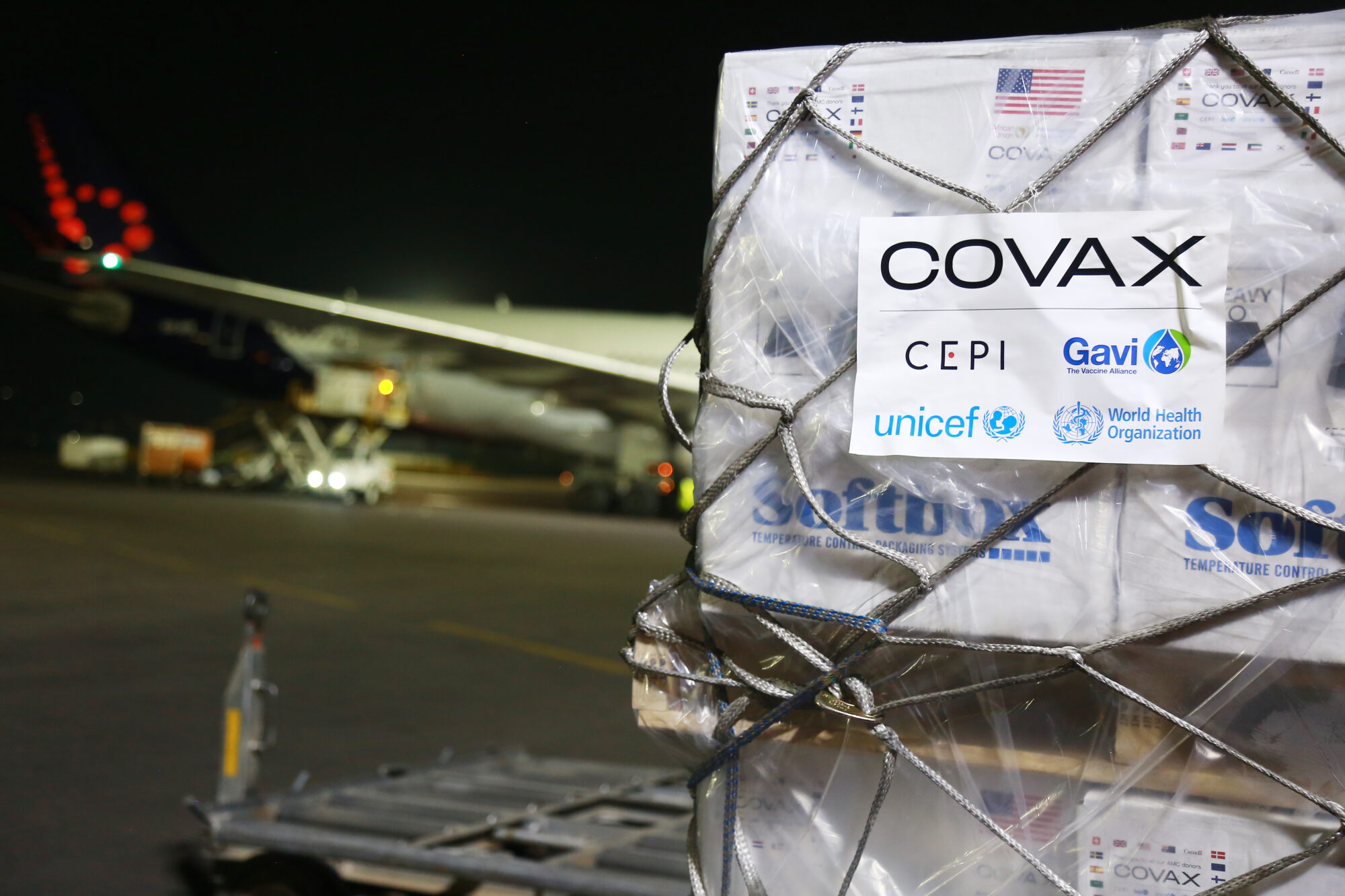
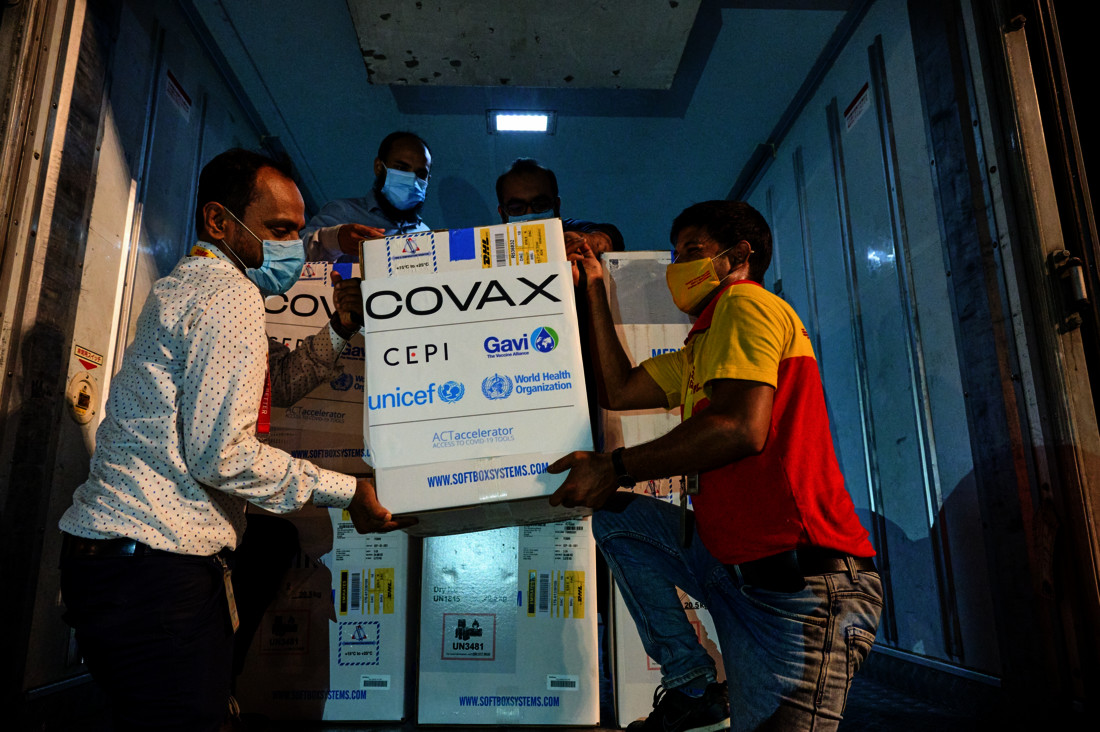
COVAX is a global partnership set up to ensure equitable access to COVID-19 vaccines. The COVAX Advance Market Commitment (AMC) pooled donor funding to enable 92 of the world’s lowest-income countries to receive COVID-19 vaccine free of charge. COVAX aimed to supply these doses as soon as possible.

As supply projections improved in mid-2021, COVAX announced a new Cost-Sharing Mechanism to enable AMC countries to self-finance additional doses. This would help countries to meet national vaccination targets and help them get back on track towards the WHO’s 40% target.

The product

This partnership covered any COVID-19 vaccine offered by COVAX through its Cost-Sharing Mechanism.

All vaccines offered by COVAX have been approved by WHO, either through its prequalification programme or its Emergency Use Listing procedure.


More about COVAX

The partnership

MedAccess and Open Society Foundations (OSF), through the Soros Economic Development Fund, provided a $200 million Risk Sharing Facility to Gavi to support the COVAX Cost-Sharing Mechanism. Both organisations provided guarantees of $100 million.

MedAccess and OSF’s support aimed to provide a backstop for Gavi during the period from exercising its vaccine options with manufacturers to country payment being confirmed; without the guarantees Gavi would be required to hold donor funds in reserve. This guarantee provided financial independence to Gavi for the benefit of COVAX AMC country partners.

Our innovative finance products

Why we were involved

Our guarantee enabled the COVAX Cost-Sharing Mechanism to provide an option for AMC-eligible economies to purchase additional COVID-19 vaccine doses beyond donor-funded commitments. This aimed to help countries increase their COVID-19 immunisation rates and meet the goals set in their national vaccination strategies.

The Facility also provided additional assurance in case of future spikes and variants leading to a surge in demand for vaccines, ensuring more equitable distribution of vaccines to low- and middle-income countries.
GSK: RTS,S malaria vaccine

RTS,S is the world’s first malaria vaccine, designed specifically to tackle malaria in Africa.

In 2021, we partnered with Gavi, the Vaccine Alliance and GSK on an innovative financing arrangement to sustain production of RTS,S antigen ahead of key policy and funding decisions.

The challenge

Public health

Malaria is a life-threatening illness caused by parasites transmitted to people bitten by infected female Anopheles mosquitos.

The World Health Organization (WHO) estimates that malaria claimed 601,000 lives in 2021. Africa is disproportionately affected by malaria, accounting for approximately 95% of the cases and 96% of the deaths worldwide in 2021; nearly 80% of those deaths were in children under five.

Although existing interventions have helped to reduce malaria deaths significantly since 2000, a vaccine adds an important complementary tool for malaria control efforts.

Before GSK and partners developed RTS,S, the world had never had a malaria vaccine. The RTS,S vaccine was developed specifically to tackle P. falciparum malaria in Africa.

Market situation

RTS,S received a positive medical opinion from the European Medicines Agency in 2015. At the time of signing this agreement, the vaccine was being piloted in routine immunisation programmes through the World Health Organization’s Malaria Vaccine Implementation Programme (MVIP). Interim data from the pilots was expected in late 2021, which would enable WHO to issue a recommendation for wider use. GSK committed to produce the vaccines required for the MVIP but was unable to promise further production until there was certainty on vaccine roll-out and demand. This required a recommendation for use from WHO and funding commitments from Gavi.

Because the vaccine was to be given as part of routine immunisation for children – rather than campaigns for adults – there was no other viable market for the vaccine. A halt in manufacturing would have resulted in millions of children not having access to the vaccine while production was restarted and scaled up.

Since the first rollout in 2024, we estimate that the RTS,S malaria vaccine has resulted in…

2.6m

children vaccinated

3m

malaria cases averted

12,100

deaths averted

The product

The RTS,S/AS01e vaccine was developed by GSK and partners over more than three decades.

It was the first malaria vaccine to successfully complete clinical trials, with an efficacy of 39% against clinical malaria over an 18-month period for children first immunised between the ages of five to 17 months.

Vaccines are an important additional tool in the fight against malaria, especially in areas where access to other tools, such as mosquito nets, may be limited.

About the RTS,S vaccine

The partnership

Gavi agreed to fund GSK’s continued production of the RTS,S antigen for up to three years. If the Gavi Board approved a malaria vaccination programme (following a positive WHO recommendation), GSK would credit the value of the Gavi-funded costs towards procurement of the malaria vaccine doses for the Gavi-supported programme.

If no malaria vaccination programme was approved, MedAccess would replenish Gavi for the majority of costs incurred.

On 6 October 2021, WHO recommended the use of the RTS,S vaccine for prevention of P. falciparum malaria in children living in regions with moderate to high malaria transmission.

On 2 December 2021, the Gavi Board approved a $155.7 million programme to support the introduction, procurement and delivery of the malaria vaccine to Gavi-eligible countries in sub-Saharan Africa.

Our innovative finance products

Impact

Our guarantee meant Gavi could provide funding to ensure GSK’s continued production of RTS,S antigen ahead of policy and funding decisions. A halt in production could have meant millions of children in Africa missing out on the vaccine, which will be given as part of routine immunisation. More doses will be available more quickly for country introductions following positive policy and funding decisions from WHO and Gavi.

Projections for this guarantee were based on two-years of guaranteed production, plus catalysed ramp-up made possible by avoiding a factory shutdown. Due to the shorter than expected period of this guarantee, projections will be adjusted based on new data.

Since the first rollout in 2024, we estimate that the RTS,S malaria vaccine has resulted in 2.6 million children being vaccinated, 3 million malaria cases averted, 12,100 deaths averted and $93.6 million in direct savings for procurers.

How we calculate the impact of this agreement

All development impact estimates were dependent on the exact timing of WHO’s policy decision and Gavi’s funding decision. We projected impact across various timelines between 2021 and 2028 to ensure we captured the full range of potential impact.

Lives changed

Inputs used to estimate expected additional children vaccinated through the accelerated access to RTS,S include timing of key policy and funding decisions, expected production schedules, and projected demand following a Gavi decision. Deaths and cases averted are estimated using modelling published by Penny et al. in 2016 and assume available vaccine doses will be used to fully vaccinate fewer children rather than partially vaccinate a greater number.

Money saved

Impact is estimated based on the additional costs associated with a stop-and-start production scenario, which was used to calculate an average price per dose for projected doses purchased between 2021 and 2028 across various timelines.

Markets shaped

We work with partners, including donors, procurers and ministries of health, to track changes in health markets where our investments are supporting access to products. We monitor for changes to policy, procurement practices and supplier movement, all of which affect markets and contribute to the long-term sustainability of impact.

Biovac: Vaccine manufacturing

Africa imports most of its vaccines, leaving countries vulnerable to supply disruptions and limiting regional manufacturing capacity.

In 2026, MedAccess partnered with South African vaccine manufacturer Biovac, providing a $10 million loan to support the construction of an end-to-end multi-vaccine manufacturing facility and strengthen vaccine supply security.

The challenge

Public health

Africa accounts for around 17% of the world’s population and around 25% of global vaccine demand, yet more than 98% of vaccines used on the continent are imported. This dependence on overseas manufacturing leaves countries vulnerable to disruptions in global supply chains and limits regional resilience during health emergencies.
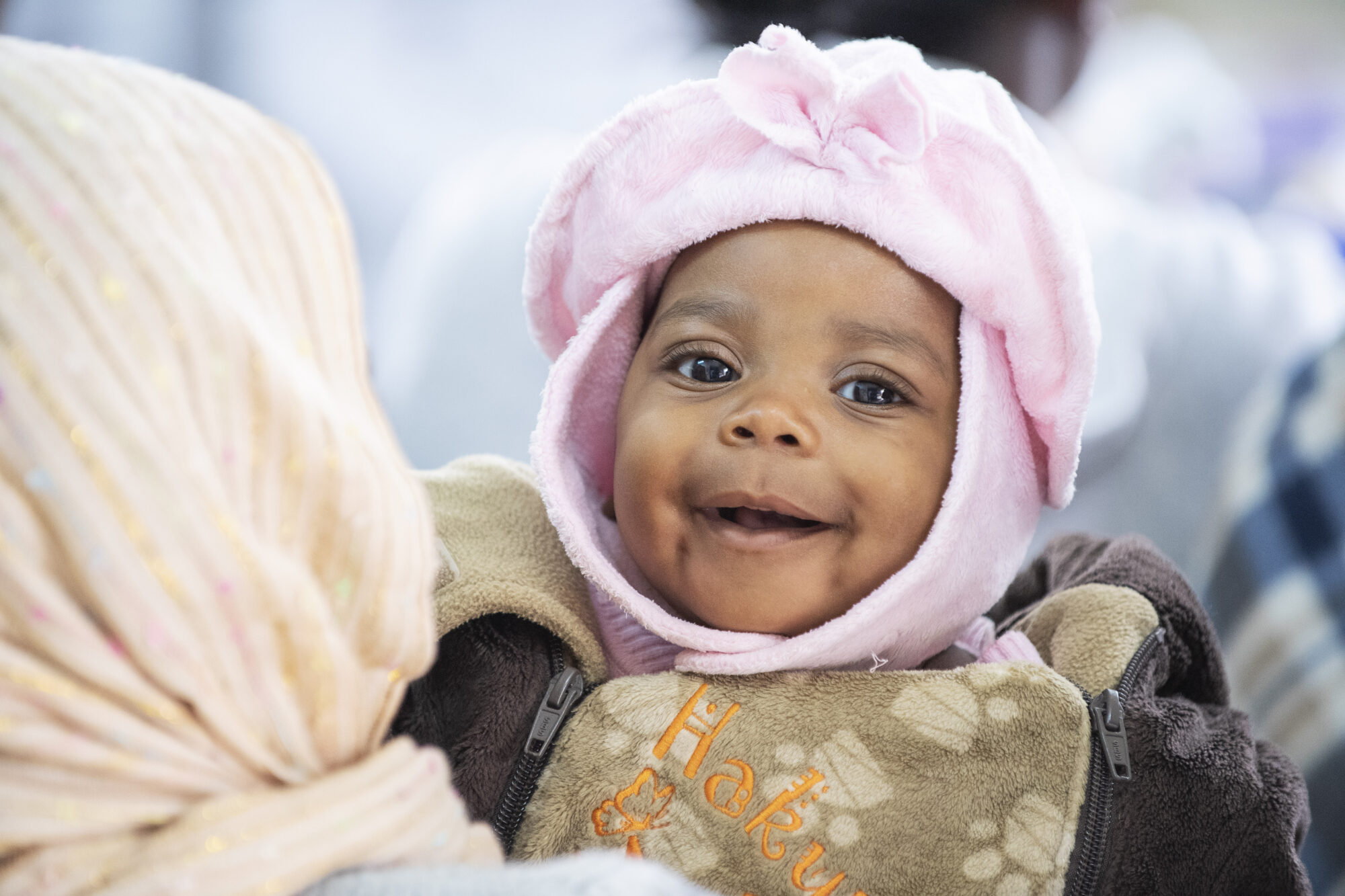
Strengthening vaccine manufacturing in Africa is a priority for governments, donors and global health organisations, since the COVID-19 pandemic exposed the risks of relying heavily on imported products.

Market situation

Vaccine manufacturing in Africa remains a small and emerging industry. African manufacturers must compete with large global suppliers that have established production facilities, lower costs and the ability to manufacture at scale. This makes it harder for individual African suppliers to secure the long-term finance needed to expand, and harder for the wider industry to develop the breadth of capabilities required for resilient regional supply.

Much of Africa’s current vaccine manufacturing is focused on fill and finish, with fewer manufacturers covering a broader manufacturing spectrum. Building end-to-end capability, including drug substance production, can take many years and requires significant investment, technology transfer and specialist expertise.

© UNICEF/Bashir Ahmed Sujan

The product

Biovac will build a new multi-product vaccine manufacturing facility in Cape Town. The facility is expected to produce finished vaccine vials ready for use against cholera, polio, pneumococcal disease, meningitis and rotavirus through a combination of technology transfer partnerships and local manufacturing.

Once operational, the facility is expected to:

  • Produce up to 50 million vaccine vials annually, equivalent to roughly 200–250 million doses.
  • Establish manufacturing capacity for oral cholera vaccine drug substance in Africa.
  • Support the manufacture and supply of priority vaccines for African immunisation programmes.
  • Create approximately 340 skilled jobs directly, alongside thousands of indirect jobs.

© Gavi/2024/Dominique Fofanah

The partnership

MedAccess provided a $10 million loan alongside financing from development finance institutions and multilateral lenders including the International Finance Corporation (IFC), African Development Bank, African Export-Import Bank (Afreximbank), Industrial Development Corporation of South Africa (IDC), Proparco and the European Investment Bank.

The financing will help Biovac construct the new facility, install specialised manufacturing equipment, complete technology transfers and prepare the site for commercial vaccine production.

The partnership will increase vaccine production capacity in Africa, strengthening regional manufacturing and supporting more sustainable health product markets.

© UNICEF/UN0428091/Yeslam

Impact

Expected impact

  • Increased investment and innovation in African vaccine manufacturing to expand manufacturing capacity.
  • Greater regional supply security for essential vaccines.
  • Support for a more competitive regional vaccine market.

The partnership will generate significant market shaping impact by encouraging investment, strengthening supply security and helping build regional manufacturing capability.

The new facility is expected to help reach an estimated 202 million more people with vaccines manufactured in Africa over the life of the investment. MedAccess’ share of that impact is estimated at 8.8 million people.

© 2021, UNICEF / Hoang Le Vu

How we calculate the impact of this agreement

Lives changed

Impact was estimated based on the projected number of people reached with vaccines manufactured through the expanded production facility. The analysis assessed the contribution of the new manufacturing capacity over the life of the project.

Markets shaped

Impact was assessed based on the project’s ability to encourage investment and innovation, strengthen vaccine supply security and increase regional manufacturing capability in Africa.

Money saved

No direct savings are currently projected. However, vaccines produced through the facility are expected to remain competitively priced in both international and local markets.

© UNICEF/COVAX/Dhiraj Singh

Subscribe to our newsletter

Receive regular updates about how our innovative finance work is making healthcare products more affordable and accessible.

"*" indicates required fields

This field is for validation purposes and should be left unchanged.
Close