Menu

Gavi: COVID-19 vaccines

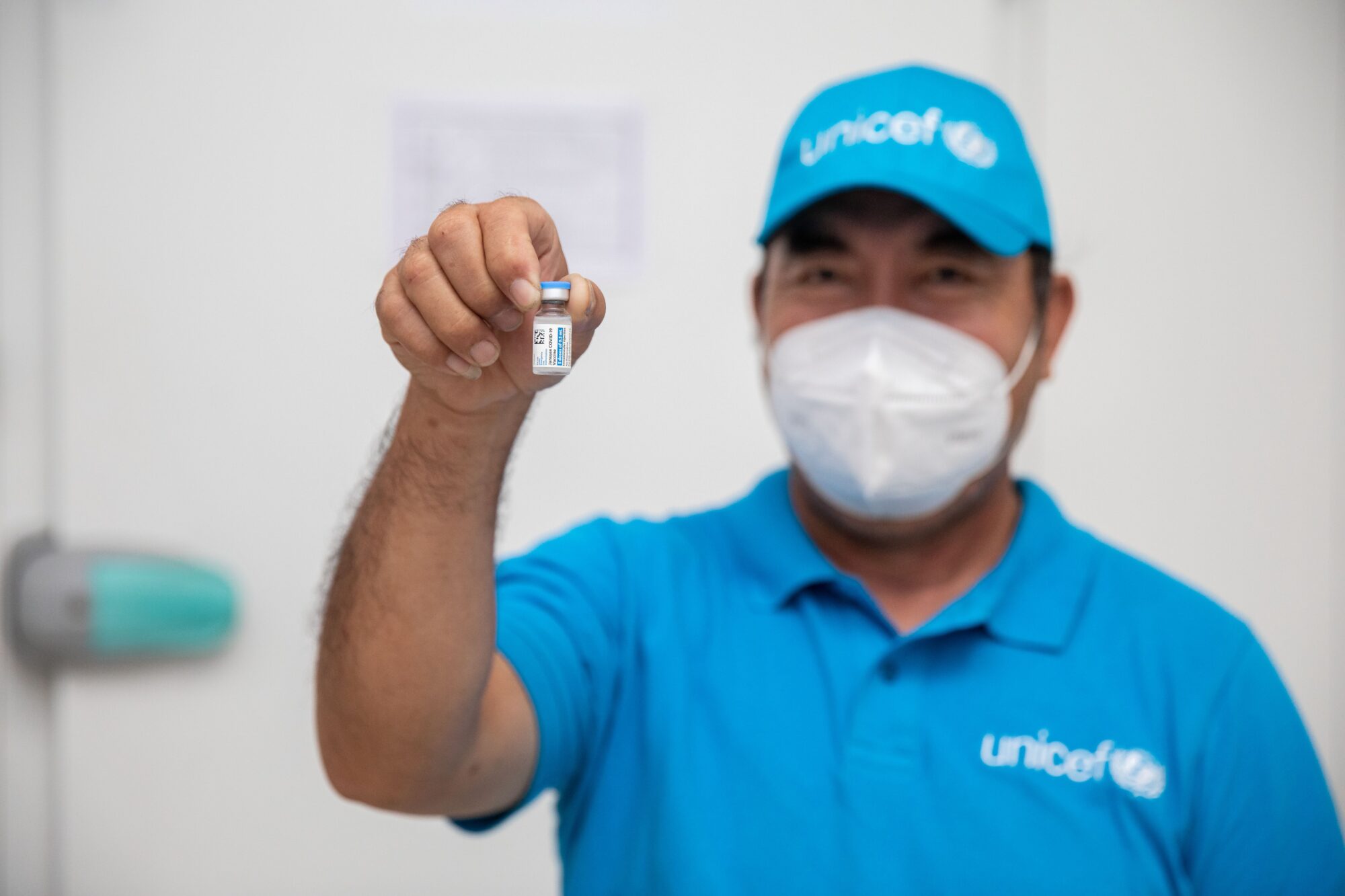
Many countries needed a way to self-fund additional COVID-19 vaccine doses through the COVAX Cost-Sharing Mechanism, beyond those provided for free.

From 2022 to 2023, we provided a $100 million guarantee to help COVAX meet projected country demand.

The challenge

Public health

On 11 March 2020, the World Health Organization (WHO) declared COVID-19 a pandemic. COVID-19 remains the most widespread public health crisis in more than a century. By the end of 2021, more than 5.4 million COVID-19 deaths had been officially reported worldwide, although WHO estimates that the true death toll was substantially higher.

Unprecedented scientific, industrial, and political collaboration saw COVID-19 vaccines developed in record time. The vaccines were highly effective at preventing severe disease and protecting lives.

But by the end of 2021, just 33% of people in Africa had received a first dose and 98 countries had missed the target set by WHO of vaccinating 40% of their populations.

Market situation

COVID-19 vaccine distribution was fraught with inequality. While high-income countries quickly secured deals for billions of doses, lower-resource countries struggled to access the shots.

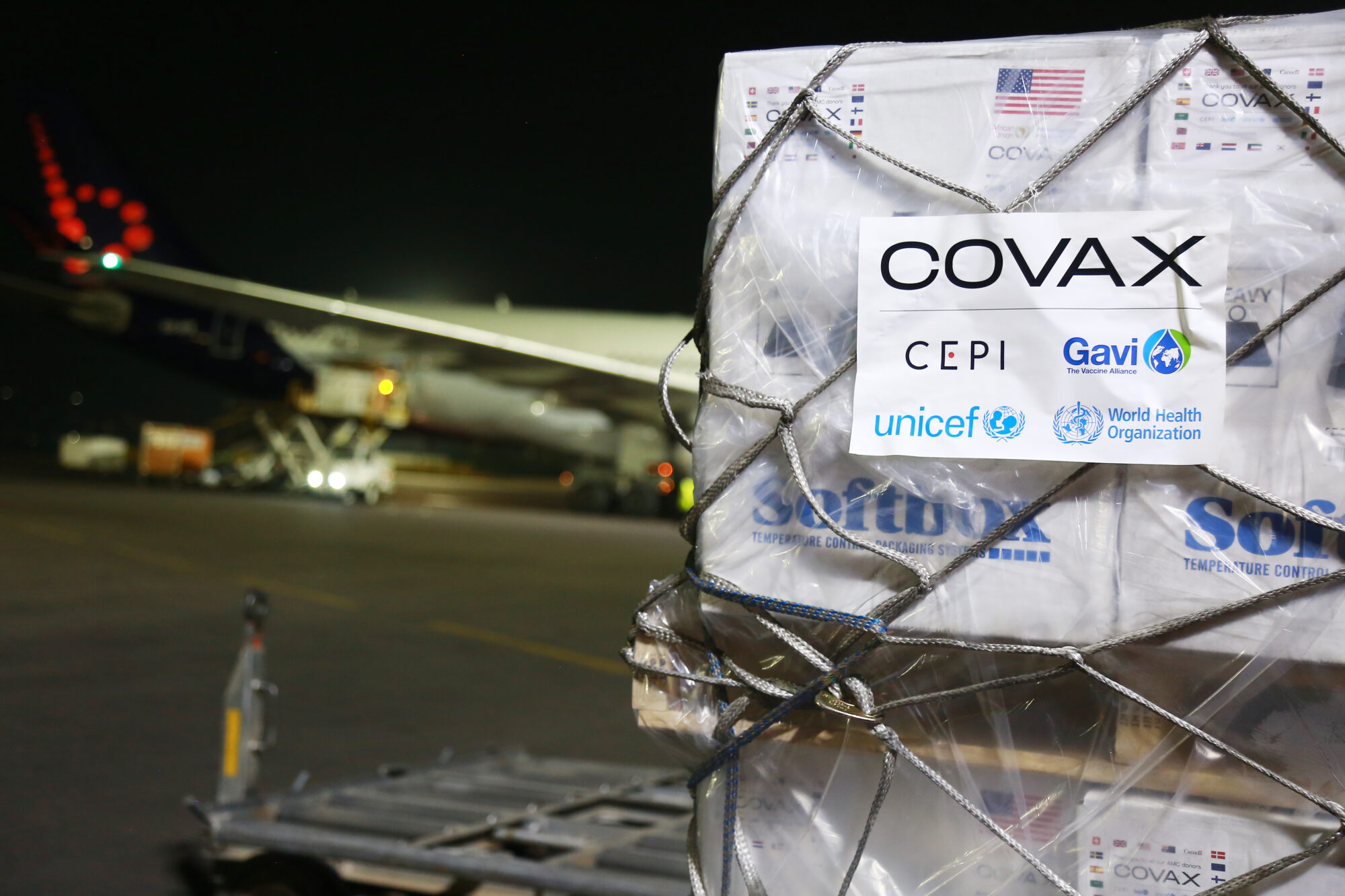
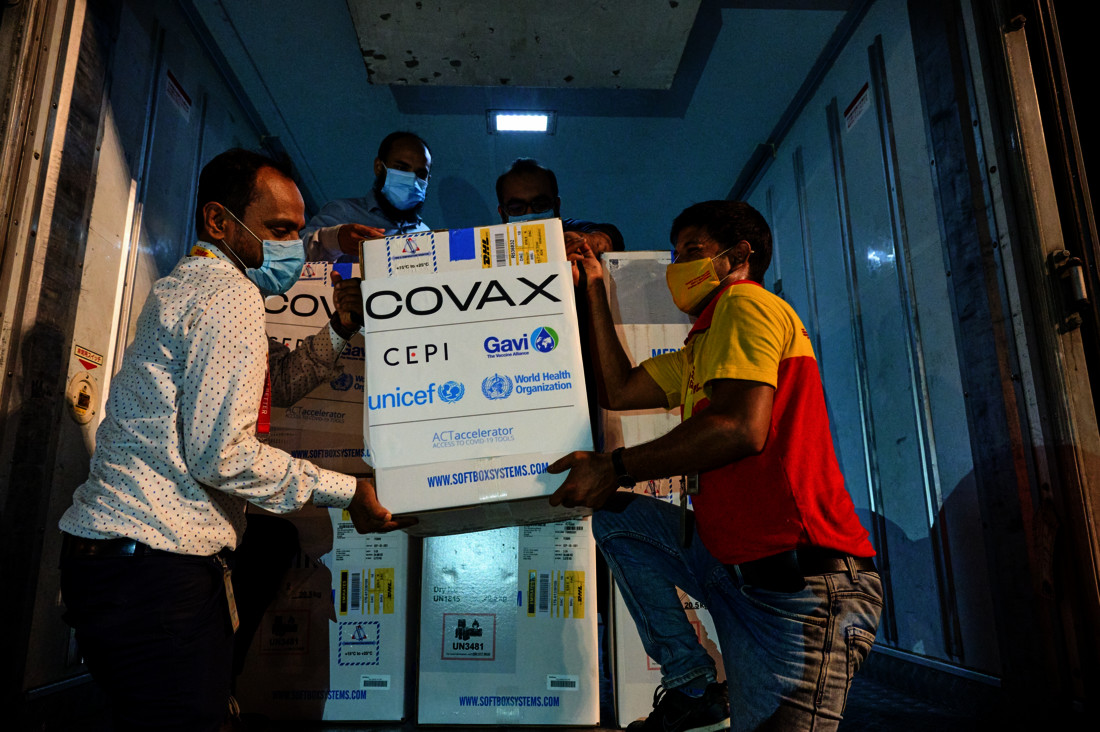
COVAX is a global partnership set up to ensure equitable access to COVID-19 vaccines. The COVAX Advance Market Commitment (AMC) pooled donor funding to enable 92 of the world’s lowest-income countries to receive COVID-19 vaccine free of charge. COVAX aimed to supply these doses as soon as possible.

As supply projections improved in mid-2021, COVAX announced a new Cost-Sharing Mechanism to enable AMC countries to self-finance additional doses. This would help countries to meet national vaccination targets and help them get back on track towards the WHO’s 40% target.

The product

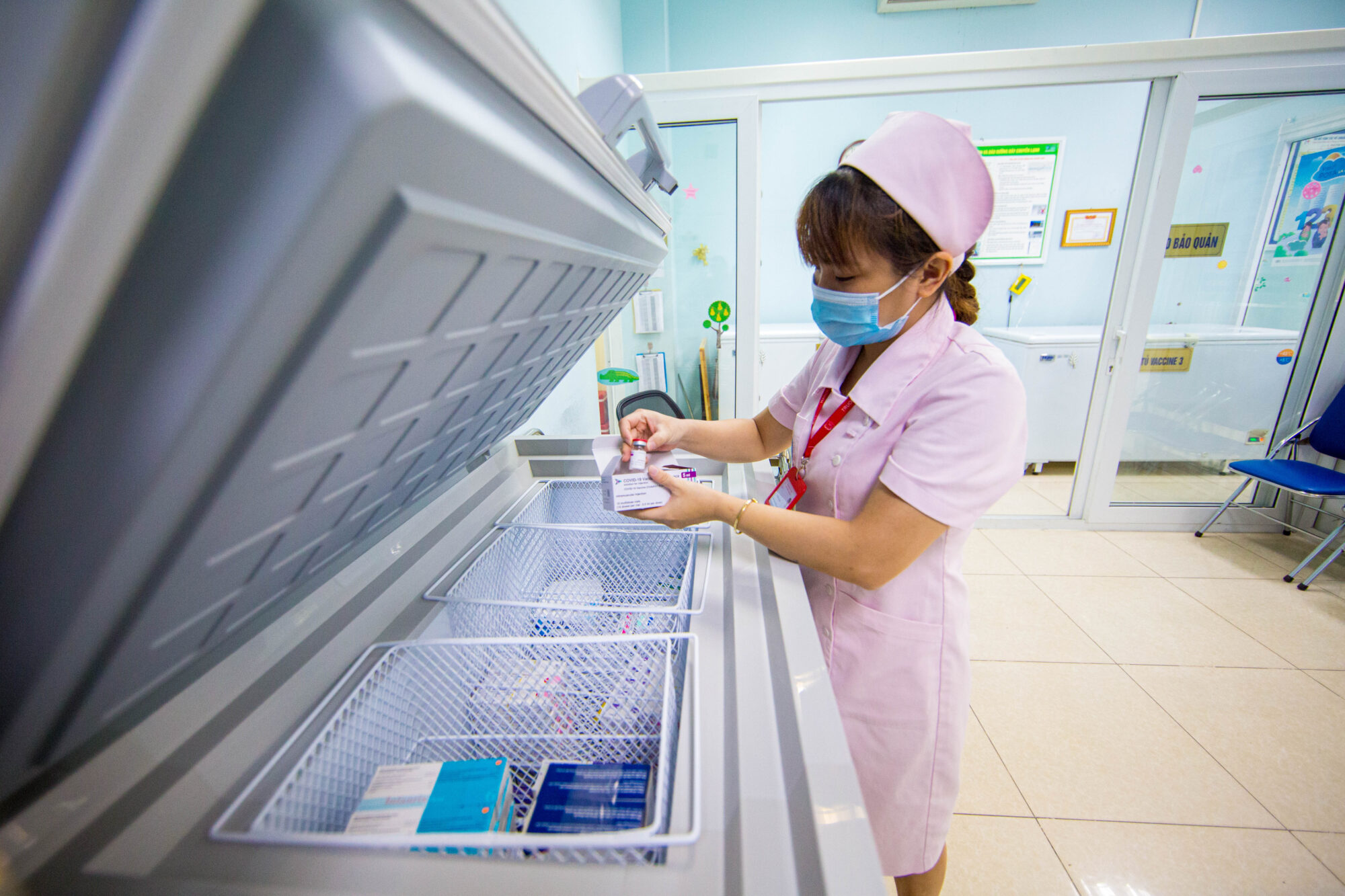
This partnership covered any COVID-19 vaccine offered by COVAX through its Cost-Sharing Mechanism.

All vaccines offered by COVAX have been approved by WHO, either through its prequalification programme or its Emergency Use Listing procedure.


More about COVAX

The partnership

MedAccess and Open Society Foundations (OSF), through the Soros Economic Development Fund, provided a $200 million Risk Sharing Facility to Gavi to support the COVAX Cost-Sharing Mechanism. Both organisations provided guarantees of $100 million.

MedAccess and OSF’s support aimed to provide a backstop for Gavi during the period from exercising its vaccine options with manufacturers to country payment being confirmed; without the guarantees Gavi would be required to hold donor funds in reserve. This guarantee provided financial independence to Gavi for the benefit of COVAX AMC country partners.

Our innovative finance products

Why we were involved

Our guarantee enabled the COVAX Cost-Sharing Mechanism to provide an option for AMC-eligible economies to purchase additional COVID-19 vaccine doses beyond donor-funded commitments. This aimed to help countries increase their COVID-19 immunisation rates and meet the goals set in their national vaccination strategies.

The Facility also provided additional assurance in case of future spikes and variants leading to a surge in demand for vaccines, ensuring more equitable distribution of vaccines to low- and middle-income countries.
GSK: RTS,S malaria vaccine

RTS,S is the world’s first malaria vaccine, designed specifically to tackle malaria in Africa.

In 2021, we partnered with Gavi, the Vaccine Alliance and GSK on an innovative financing arrangement to sustain production of RTS,S antigen ahead of key policy and funding decisions.

The challenge

Public health

Malaria is a life-threatening illness caused by parasites transmitted to people bitten by infected female Anopheles mosquitos.

The World Health Organization (WHO) estimates that malaria claimed 601,000 lives in 2021. Africa is disproportionately affected by malaria, accounting for approximately 95% of the cases and 96% of the deaths worldwide in 2021; nearly 80% of those deaths were in children under five.

Although existing interventions have helped to reduce malaria deaths significantly since 2000, a vaccine adds an important complementary tool for malaria control efforts.

Before GSK and partners developed RTS,S, the world had never had a malaria vaccine. The RTS,S vaccine was developed specifically to tackle P. falciparum malaria in Africa.

Market situation

RTS,S received a positive medical opinion from the European Medicines Agency in 2015. At the time of signing this agreement, the vaccine was being piloted in routine immunisation programmes through the World Health Organization’s Malaria Vaccine Implementation Programme (MVIP). Interim data from the pilots was expected in late 2021, which would enable WHO to issue a recommendation for wider use. GSK committed to produce the vaccines required for the MVIP but was unable to promise further production until there was certainty on vaccine roll-out and demand. This required a recommendation for use from WHO and funding commitments from Gavi.

Because the vaccine was to be given as part of routine immunisation for children – rather than campaigns for adults – there was no other viable market for the vaccine. A halt in manufacturing would have resulted in millions of children not having access to the vaccine while production was restarted and scaled up.

Since the first rollout in 2024, we estimate that the RTS,S malaria vaccine has resulted in…

2.6m

children vaccinated

3m

malaria cases averted

12,100

deaths averted

The product

The RTS,S/AS01e vaccine was developed by GSK and partners over more than three decades.

It was the first malaria vaccine to successfully complete clinical trials, with an efficacy of 39% against clinical malaria over an 18-month period for children first immunised between the ages of five to 17 months.

Vaccines are an important additional tool in the fight against malaria, especially in areas where access to other tools, such as mosquito nets, may be limited.

About the RTS,S vaccine

The partnership

Gavi agreed to fund GSK’s continued production of the RTS,S antigen for up to three years. If the Gavi Board approved a malaria vaccination programme (following a positive WHO recommendation), GSK would credit the value of the Gavi-funded costs towards procurement of the malaria vaccine doses for the Gavi-supported programme.

If no malaria vaccination programme was approved, MedAccess would replenish Gavi for the majority of costs incurred.

On 6 October 2021, WHO recommended the use of the RTS,S vaccine for prevention of P. falciparum malaria in children living in regions with moderate to high malaria transmission.

On 2 December 2021, the Gavi Board approved a $155.7 million programme to support the introduction, procurement and delivery of the malaria vaccine to Gavi-eligible countries in sub-Saharan Africa.

Our innovative finance products

Impact

Our guarantee meant Gavi could provide funding to ensure GSK’s continued production of RTS,S antigen ahead of policy and funding decisions. A halt in production could have meant millions of children in Africa missing out on the vaccine, which will be given as part of routine immunisation. More doses will be available more quickly for country introductions following positive policy and funding decisions from WHO and Gavi.

Projections for this guarantee were based on two-years of guaranteed production, plus catalysed ramp-up made possible by avoiding a factory shutdown. Due to the shorter than expected period of this guarantee, projections will be adjusted based on new data.

Since the first rollout in 2024, we estimate that the RTS,S malaria vaccine has resulted in 2.6 million children being vaccinated, 3 million malaria cases averted, 12,100 deaths averted and $93.6 million in direct savings for procurers.

How we calculate the impact of this agreement

All development impact estimates were dependent on the exact timing of WHO’s policy decision and Gavi’s funding decision. We projected impact across various timelines between 2021 and 2028 to ensure we captured the full range of potential impact.

Lives changed

Inputs used to estimate expected additional children vaccinated through the accelerated access to RTS,S include timing of key policy and funding decisions, expected production schedules, and projected demand following a Gavi decision. Deaths and cases averted are estimated using modelling published by Penny et al. in 2016 and assume available vaccine doses will be used to fully vaccinate fewer children rather than partially vaccinate a greater number.

Money saved

Impact is estimated based on the additional costs associated with a stop-and-start production scenario, which was used to calculate an average price per dose for projected doses purchased between 2021 and 2028 across various timelines.

Markets shaped

We work with partners, including donors, procurers and ministries of health, to track changes in health markets where our investments are supporting access to products. We monitor for changes to policy, procurement practices and supplier movement, all of which affect markets and contribute to the long-term sustainability of impact.

UNICEF: Medical supplies

UNICEF’s Vaccine Independence Initiative helps low- and middle-income countries purchase critical medical supplies using domestic budgets.

Since 2023, we have supported the initiative through a $50m procurement guarantee.

© UNICEF/UNI409319/Brown

The challenge

Public health

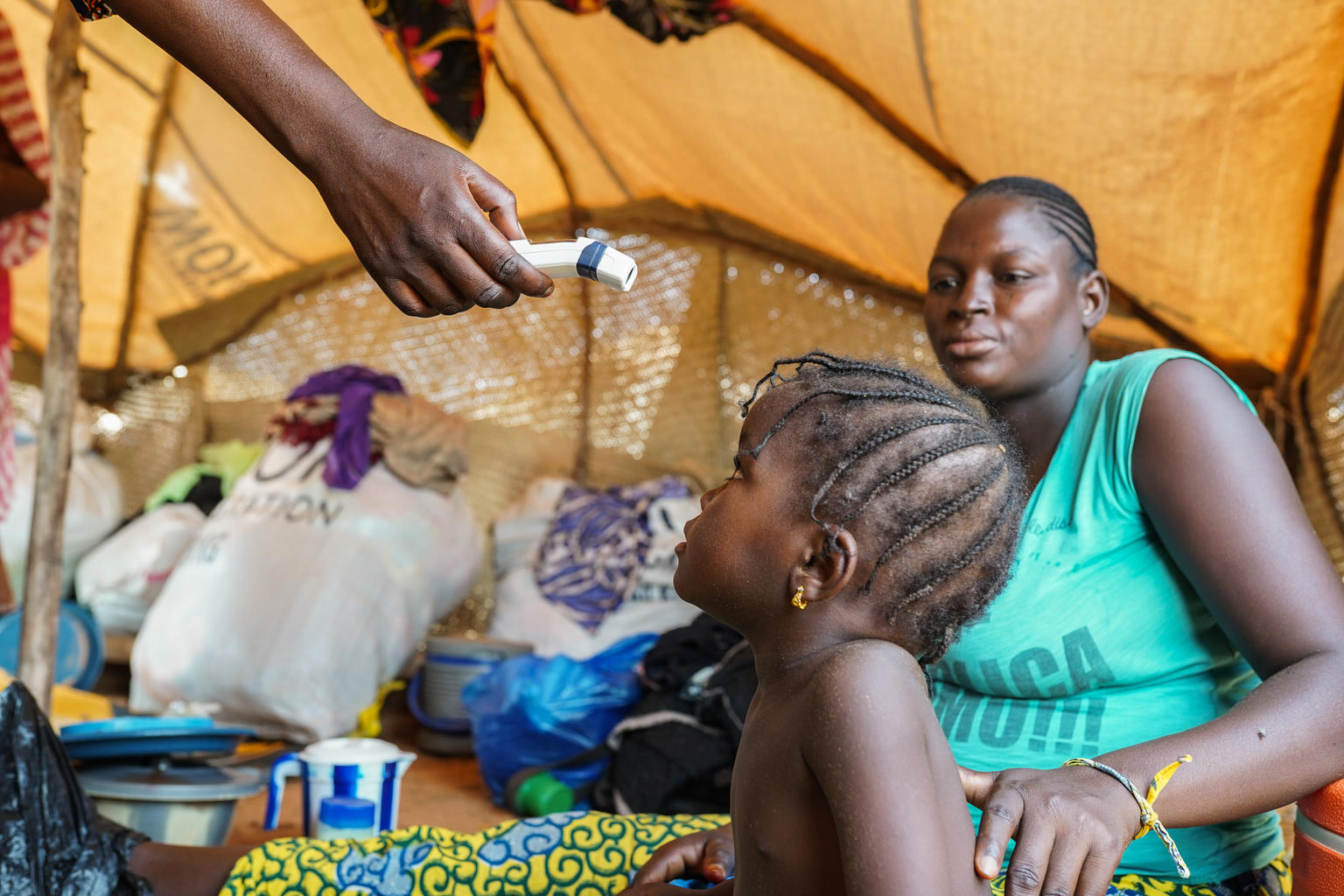
UNICEF’s Vaccine Independence Initiative (VII) is a financing and procurement facility to support low- and middle-income countries using national resources to purchase critical medical supplies. It helps governments manage temporary cash shortfalls by accessing a revolving fund through UNICEF. This ensures children and families do not miss out on essential health supplies due to temporary cash shortfalls.

VII is a particularly important vehicle for governments procuring without support from a global health donor such as Gavi, the Vaccine Alliance. Where the release of funding from multilateral banks or national budgets is delayed, the regular supply of vaccines and treatments is often interrupted.

Market situation

The VII is increasingly important, especially to middle-income countries which lack regular access to donor-funded procurement, but may not have the procurement systems or negotiating clout to secure reliable supplies and affordable prices on the open market.

Support for the VII in the form of a MedAccess guarantee expands the facility’s resources. It also gives flexibility to undertake surge procurement for emerging disease outbreaks, climate-related crises, humanitarian crises and immunisation programmes.

Impact to date

In 2025, our guarantee supported:

prefinancing of

$226m

worth of health products

across

35

countries

The product

UNICEF’s VII programme was initially focused on vaccines but has expanded to cover a variety of lifesaving medical supplies including:

  • diagnostics
  • oxygen
  • treatments
  • and clinical supplies.

The partnership

MedAccess provided a $50m procurement guarantee to UNICEF until the end of 2030.

The core function of the guarantee is to support UNICEF to engage in procurement that will make health products more affordable and accessible.

This will achieve market-shaping impact at scale, reaching multiple products and populations.

MedAccess first provided a guarantee for VII in 2020 during the COVID-19 pandemic to accelerate access to essential health products in countries at risk of being shut out of scarce supplies. This guarantee was extended for an additional year in 2021. MedAccess and UNICEF entered into a new $10 million procurement guarantee agreement for VII in 2023. This guarantee was increased to $30 million in 2024 and ran until 2025, succeeded in 2026 by the current $50 million commitment which runs until 2030.

Impact projections

Our partnership with UNICEF enables continued procurement of essential health products to bridge short-term funding gaps which might otherwise lead to supply shortages and stock-outs.

Pre-financing means countries can expedite the delivery of essential products to tackle pressing health needs, accelerating availability of supply by four to six months.

UNICEF: COVID-19 supplies

At the height of the COVID-19 pandemic, low- and middle-income countries struggled to secure equitable access to essential medical products.

From July 2020 to the end of 2022, we partnered with UNICEF, providing a $50 million procurement guarantee to help reduce country waiting times for COVID-19 supplies and vaccines, other essential health products and childhood vaccines.

The challenge

Public health

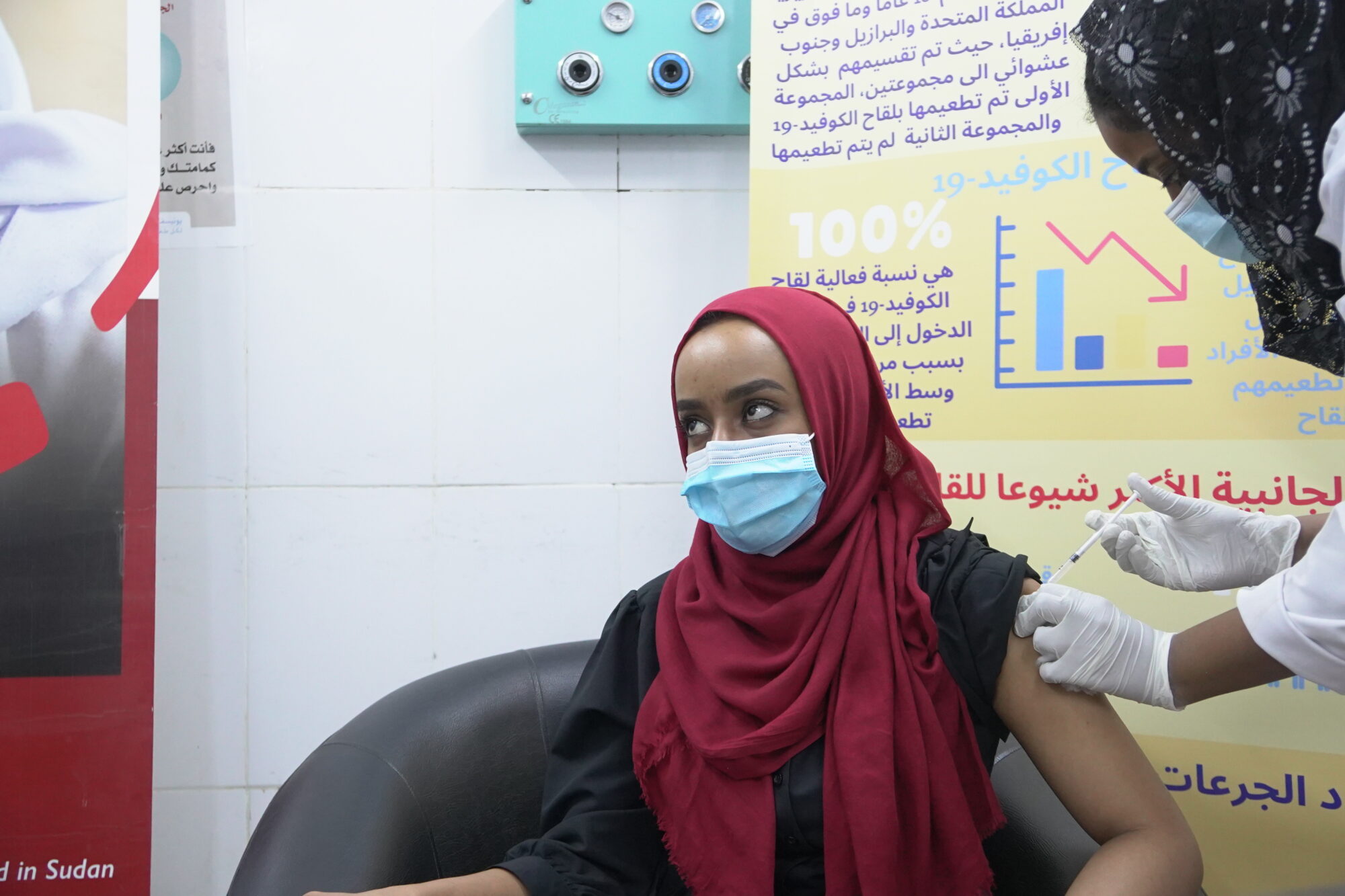
On 11 March 2020, the World Health Organization (WHO) declared COVID-19 a pandemic. COVID-19 remains the most widespread public health crisis in more than a century. By the end of 2021, it had claimed more than 14.9 million excess deaths, either directly or indirectly.

COVID-19 spread quickly around the world, leading to lockdowns and restrictions on movement. This made it even more difficult for people in low- and middle-income countries to access vital health products for conditions like HIV, malaria and tuberculosis. As a result, all three diseases saw increased case numbers and deaths.

The pandemic also took its toll on vaccination programmes. Gavi, the Vaccine Alliance reported that basic vaccine coverage fell by 1% in 2021, following a 4% drop in 2020.

Market situation

During the initial phase of the COVID-19 pandemic, demand outstripped supply for even the most basic medical products, leaving many countries struggling to provide vital equipment to frontline workers.

This situation was most acute in low- and middle-income countries (LMICs). Restricted supply, export bans and volatile prices meant that many countries were unable to access COVID-19 supplies. Countries were being quoted prices for some items of up to 20 times what they were pre-pandemic.

UNICEF is the world’s largest procurement agent of essential supplies on behalf of LMICs, country programmes and development partners. It has played a leading role in helping ensure access to products to tackle COVID-19 on top of its regular work procuring vaccines and other items on behalf of countries.
Impact

By the end of the agreement:

2.8b

syringes for COVID-19 and other vaccines supplied

456m

COVID-19 vaccines and other childhood vaccines supplied

9.8m

diagnostic test kits and equipment supplied

The product

UNICEF used its purchasing power to provide essential health supplies to countries that would have been at the back of the queue and vulnerable to volatile pricing, especially early in the pandemic.

Items procured include masks, gowns, oxygen concentrators, laboratory tests, rapid tests and immunisation supplies.
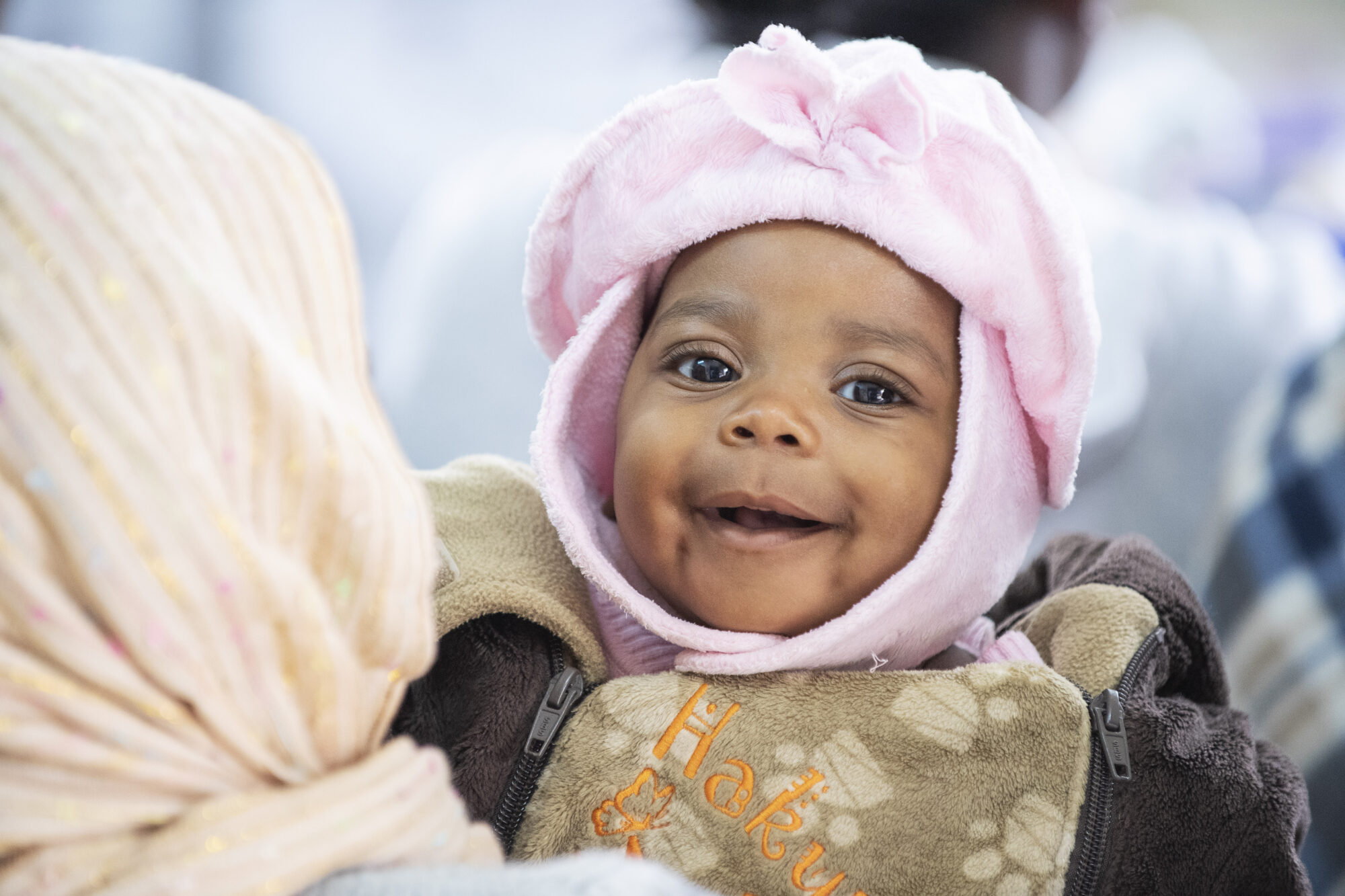
Since the pandemic, MedAccess’ support enabled UNICEF to increase procurement of other essential products, such as childhood vaccines.
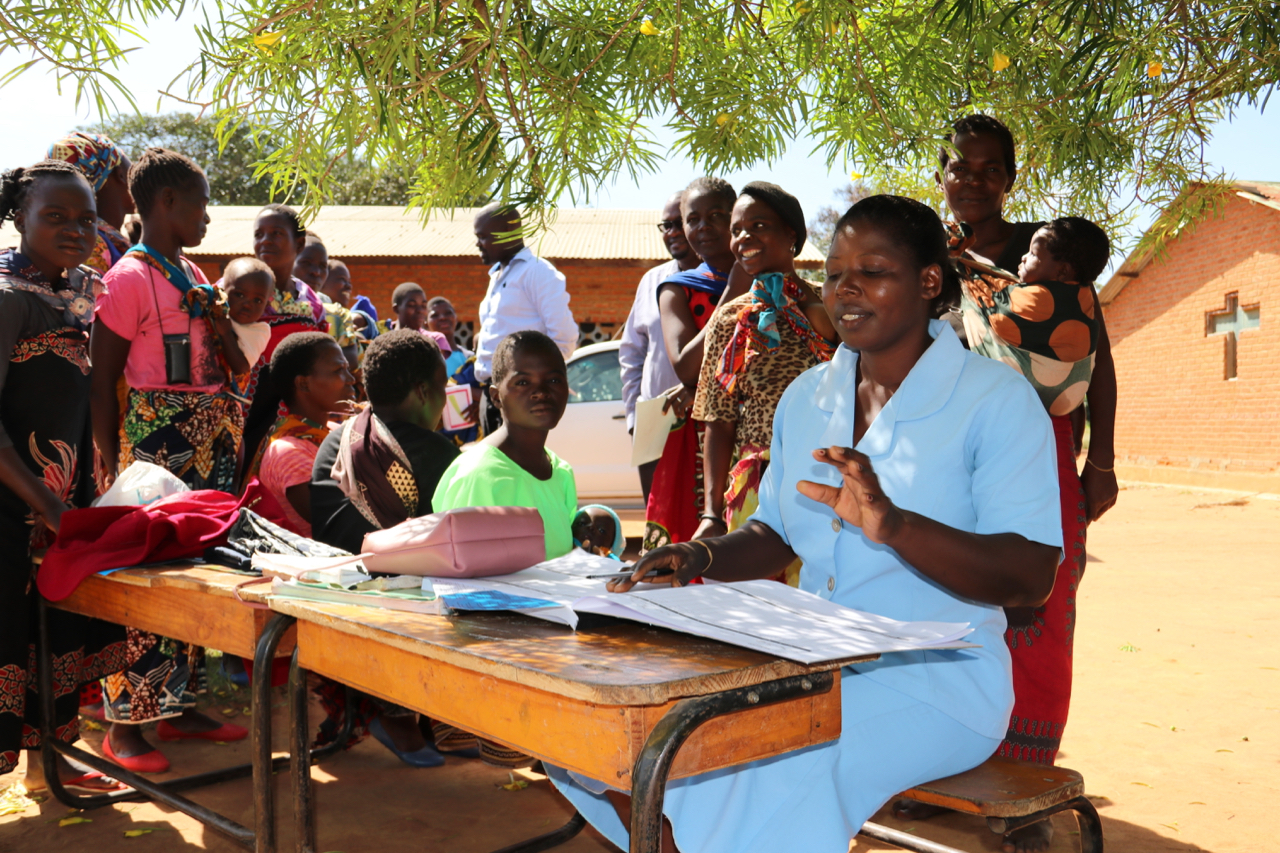
UNICEF Supply's work

The partnership

MedAccess provided a $50 million procurement guarantee to increase the capitalisation of a UNICEF procurement mechanism.

UNICEF used the guarantee to increase and accelerate procurement and distribution of COVID-19 products as well as other essential health products.

As one of the world’s largest volume procurers of medical products, UNICEF secured sustainable supply at lower prices. This means low- and middle-income countries that used UNICEF’s procurement mechanisms were less exposed to volatile prices and shortages.
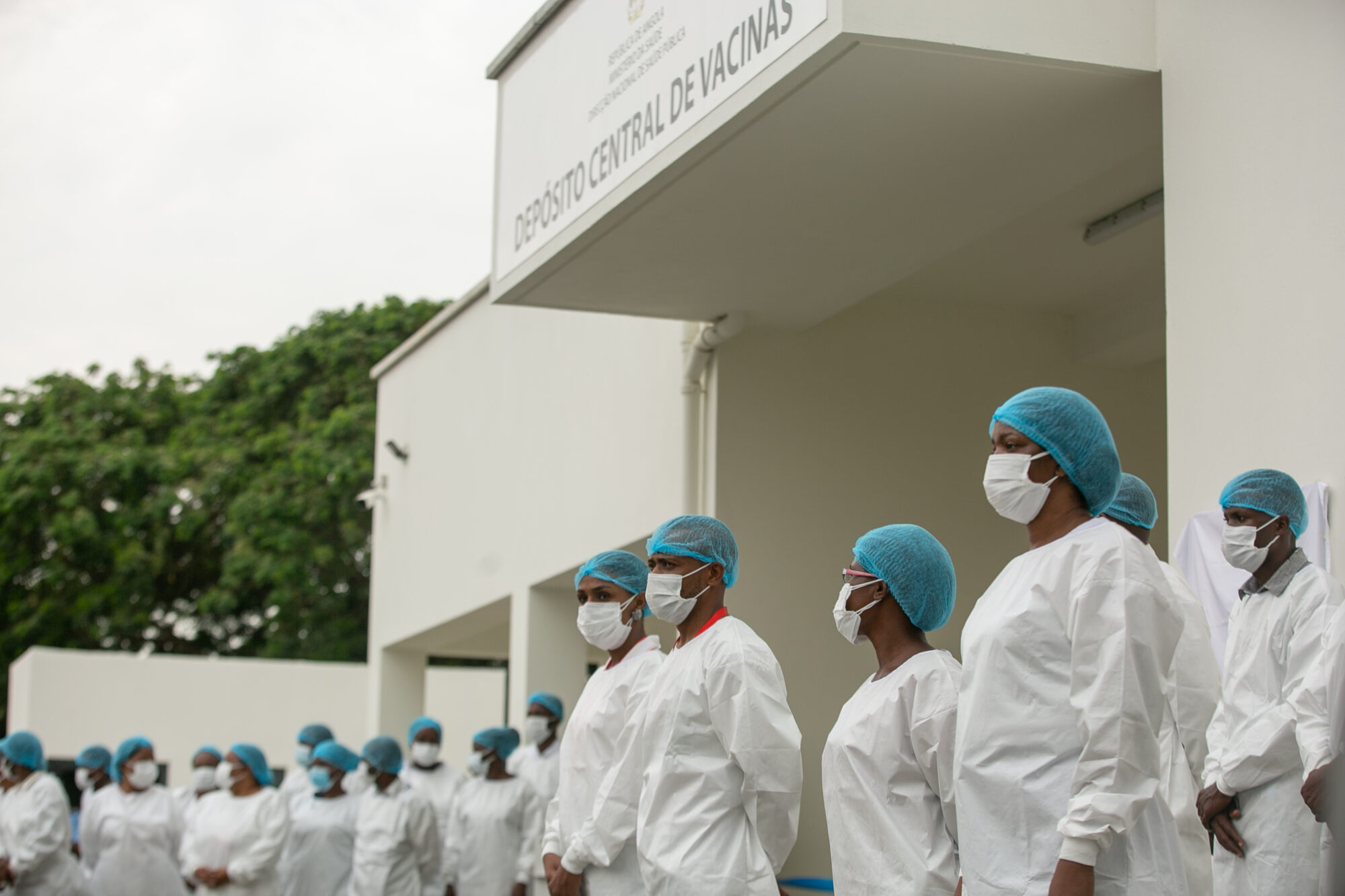
In 2021, MedAccess extended the guarantee for a further year.

Our innovative finance products

The impact

Pre-financing enabled countries to expedite delivery of essential products to tackle COVID-19 and other pressing health needs. Countries accessed supplies, on average, 7 months faster than without pre-financing support.

Our partnership with UNICEF contributed to the procurement of:

  • Over 2.8 billion syringes for use with COVID-19 and other vaccines.
  • More than 456 million COVID-19 and other childhood vaccines.
  • More than 9.8 million diagnostic test kits and equipment to help frontline health workers detect COVID-19.

Subscribe to our newsletter

Receive regular updates about how our innovative finance work is making healthcare products more affordable and accessible.

"*" indicates required fields

This field is for validation purposes and should be left unchanged.
Close