Menu

Viatris: Treatment for drug-resistant TB

Pretomanid is used with other anti-TB drugs to form a highly effective, shorter regimen for drug-resistant tuberculosis.

Since 2022, we have partnered with Viatris and the TB Alliance using a volume guarantee to help reduce the price of pretomanid, increasing access in countries with a high TB burden.

The challenge

Public health

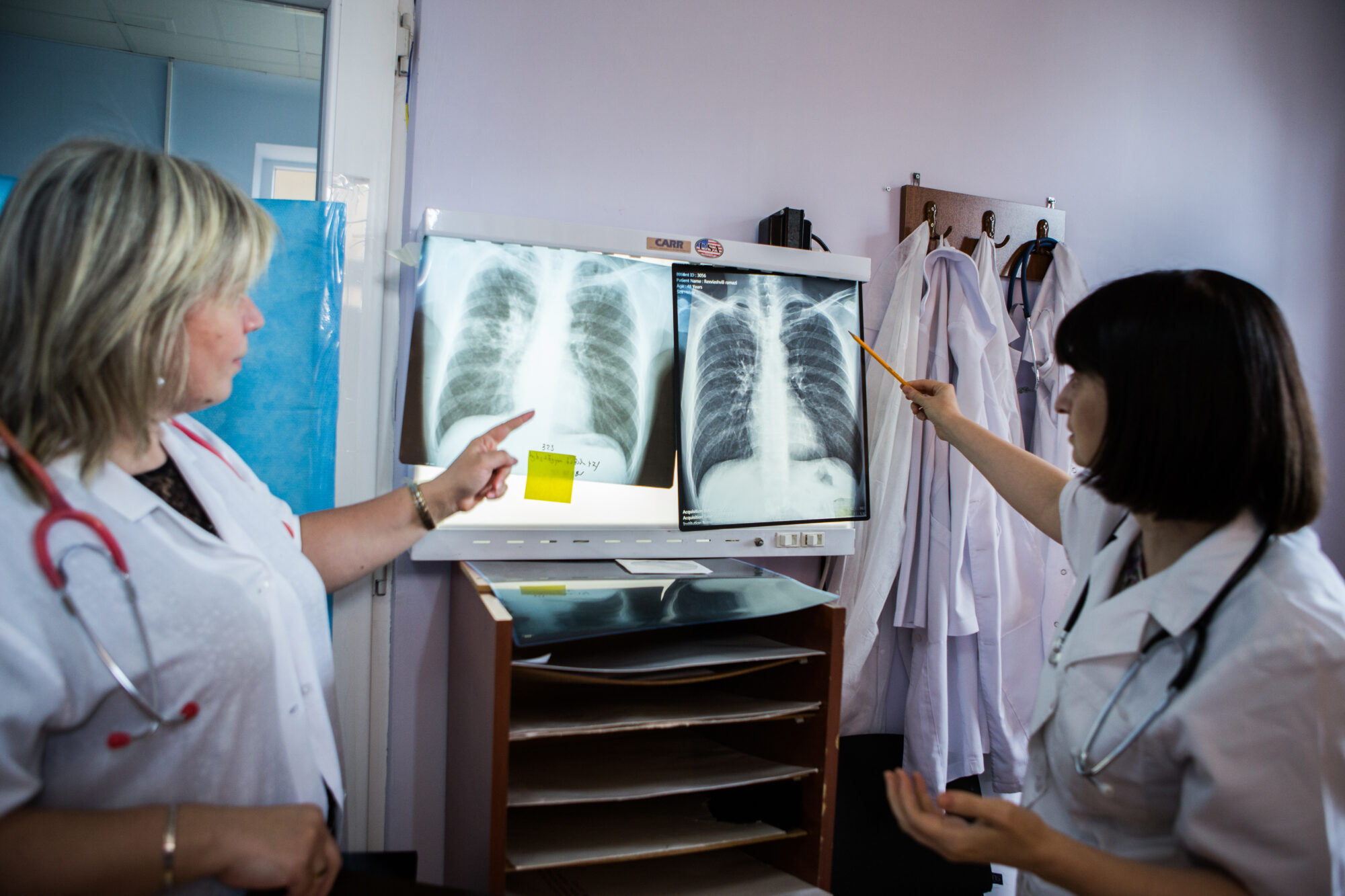
Tuberculosis (TB) is one of the world’s most deadly infectious diseases. In 2022, when this agreement was signed, more than 1.1 million people died from the disease. TB is preventable and curable but can require specialised treatment if resistant to first line antibiotics. Drug-resistant tuberculosis (DR-TB) is increasingly a global public health crisis, with cases identified on every continent.

In 2022, the World Health Organization (WHO) estimated that 410,000 people are living with DR-TB and approximately 150,000 received treatment. Of those who began treatment in 2020, only 64% were treated successfully. This is partly because previously recommended treatment options required patients to take up to 20 pills per day for up to 20 months. Some of the drugs have toxic side effects, making adherence a challenge.

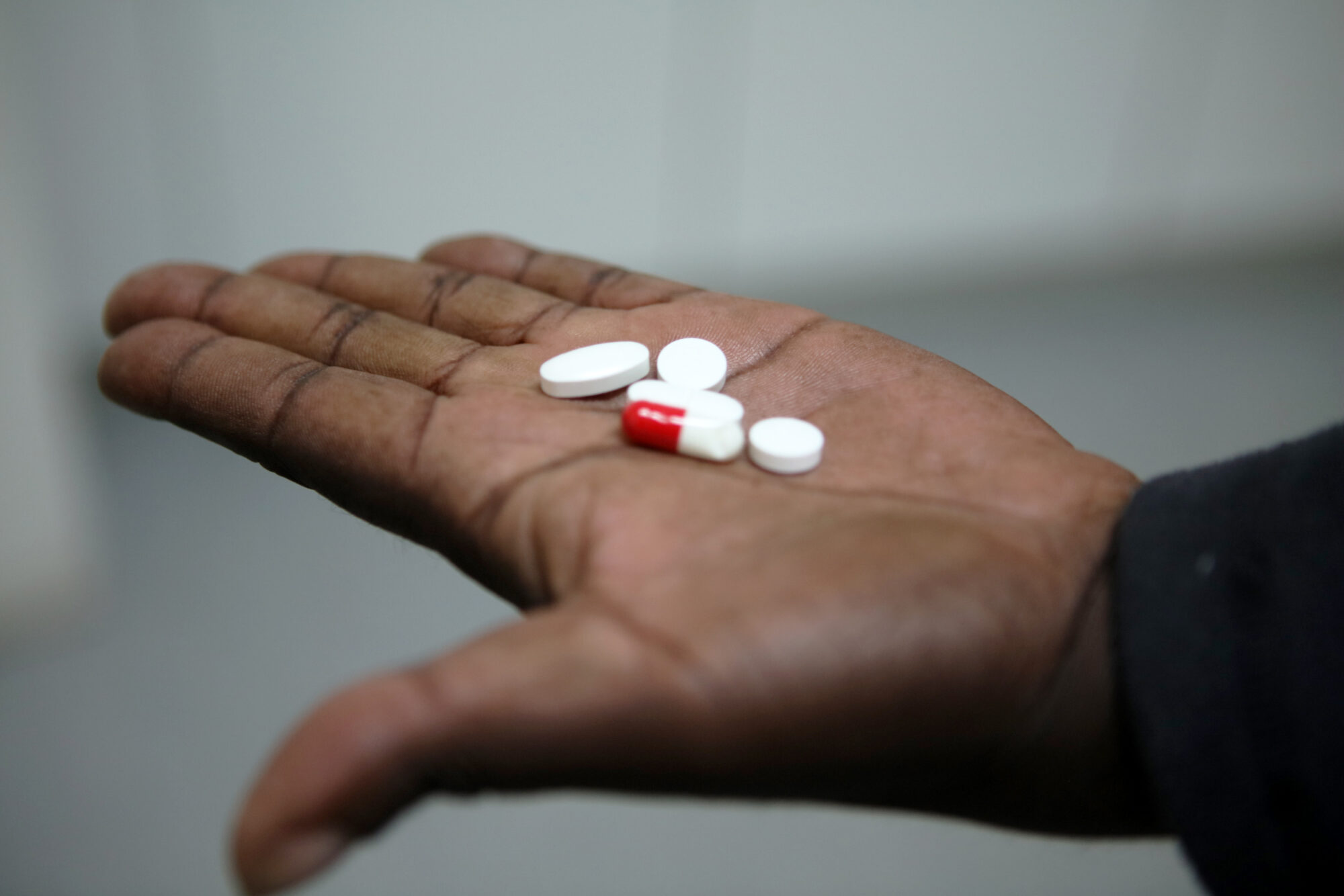
In 2022, the WHO recommended a treatment regimen called BPaLM that is only six months and includes newer, more effective TB drugs. Trials found the regimen to be more than 89% effective in curing patients with multidrug-resistant TB.

Market situation

Pretomanid (the Pa in BPaLM) was developed by the TB Alliance, which has granted non-exclusive licenses for high-burden, low- and middle-income countries to multiple drug manufacturers, including Viatris.

When the WHO recommended BPaLM, the regimen was much more expensive than the standard of care, meaning procurers and governments faced difficult decisions with limited budgets.

In December 2022, MedAccess, Viatris and the TB Alliance announced that Viatris had agreed to reduce the price of pretomanid by 34% in more than 130 low- and middle-income countries. This price reduction brought the overall price of the BPaLM regimen much closer to current treatment costs, allowing countries to more easily switch to this new, more effective regimen, and is made possible by a volume guarantee agreement.

Impact to date

By the end of 2025:

46,200

additional people experienced improved treatment outcomes

39,700

adverse health events averted

$20.4m

saved for procurers

The product

Pretomanid is used with other anti-TB drugs to form a highly effective treatment regimen. This all-oral, six-month regimen was recommended by the WHO in December 2022 as the preferred option for most people with DR-TB. The regimen (BPaLM) is made up of:

  • bedaquiline (B)
  • pretomanid (Pa)
  • linezolid (L)
  • and moxifloxacin (M)
More about pretomanid

The partnership

MedAccess provided a volume guarantee to Viatris.

Viatris has agreed to reduce the price of pretomanid in over 130 low- and middle-income countries and will continue to produce and supply pretomanid, increasing availability and access.

The new ceiling price is available to more than 130 governments, and NGOs and public sector procurers purchasing pretomanid in those countries.

This price reduction, coupled with a price reduction on bedaquiline in August 2023 reduced the cost of BPaLM to below $500 per six-month patient course.

TB Alliance first developed six-month drug-resistant TB treatment regimens and helped facilitate the volume guarantee. TB Alliance is also supporting countries to plan for and scale up introduction of the BPaLM regimen.

Our innovative finance products

Impact projections

Our guarantee has reduced the price of pretomanid by 34% when compared to previously offered prices, in more than 130 low- and middle-income countries. This price reduction brings the price of BPaLM much closer to the cost of previously recommended MDR-TB treatment regimens, allowing countries to more easily switch to this new, more effective regimen and accelerating access to innovative treatments.

This agreement also sets a benchmark price for future generic entrants and increases competition in the TB market by supporting a newer entrant.

The partnership will support countries to switch to this new WHO-recommended regimen and facilitate widespread uptake of this highly effective treatment.

We estimate that the partnership will contribute to:

  • enable an additional 36,000 patients to be treated successfully with BPaLM
  • help avert 31,000 potential adverse events that require hospitalisation or cause disability as patients switch from the current standard-of-care
  • save governments and global procurers more than $15.6 million, with additional savings for national healthcare budgets as they care for fewer patients with long-term DR-TB.

How we calculate the impact of this agreement

Lives changed

Downstream patient outcomes were estimated based on final results of the TB PRACTECAL study presented at TB Union 2022, and represent relative risk as compared to current standard-of-care regimens.

Money saved

Impact is estimated based on actual price reductions for pretomanid over the course of the volume guarantee, taking into account expected market dynamics.

Markets shaped

We work with partners, including donors, procurers and Ministries of Health, to track changes in health markets where our investments are supporting access to products. We monitor for changes to policy, procurement practices and supplier movement, all of which affect markets and contribute to the long-term sustainability of impact.
SD Biosensor: G6PD testing

Testing for G6PD enzyme deficiency is essential for healthcare workers to safely provide the most appropriate treatment for P. vivax malaria.

From 2022 to 2025, we provided SD Biosensor with a volume guarantee to secure the availability of G6PD tests in countries with a high P. vivax malaria burden.

The challenge

Public health

The P. vivax malaria parasite caused an estimated 5.4 million cases of malaria in 2022. Complete treatment requires elimination of the parasite from the blood as well as the liver. This treatment is known a ‘radical cure’.

However, doctors are wary of prescribing the most effective treatments because the treatments can cause severe anaemia in patients who are deficient in the enzyme glucose-6 phosphate dehydrogenase (G6PD). This affects 400 million people worldwide.

The World Health Organization (WHO) recommends conducting a G6PD deficiency test prior to treatment of P. vivax malaria patients, to guide treatment decisions. But many countries have not adopted this recommendation meaning point of care G6PD tests are not widely available.

In places with no access to G6PD testing, patients are usually prescribed longer courses of primaquine with lower dosing. However, patients often stop taking the pills when they start to feel better and this can lead to reinfection because the parasite persists in their liver.

Market situation

G6PD testing is required for countries to be able to roll-out tafenoquine, a new, more effective treatment for P. vivax malaria.

However, widespread adoption of G6PD testing has been limited due to inconsistent supply, low affordability, and the absence of cost-effectiveness, operational, and feasibility studies. In turn, commercial sustainability of the product has been threatened by the relatively small market size, uncertain demand, and complexity of producing and commercialising testing equipment. This caused some suppliers to exit the market.

At the time, SD Biosensor’s STANDARD G6PD Test was the only quantitative point-of-care G6PD test on the market. Demand visibility was critical to sustaining production levels and supporting the commercial feasibility of the product, while high-burden priority countries finalised studies, and rolled-out G6PD testing in accordance with WHO recommendations.

Impact

By the end of the agreement as of end-2025:

20,500

additional people on any treatment

42,300

malaria relapses averted

$2m

saved for procurers

The product

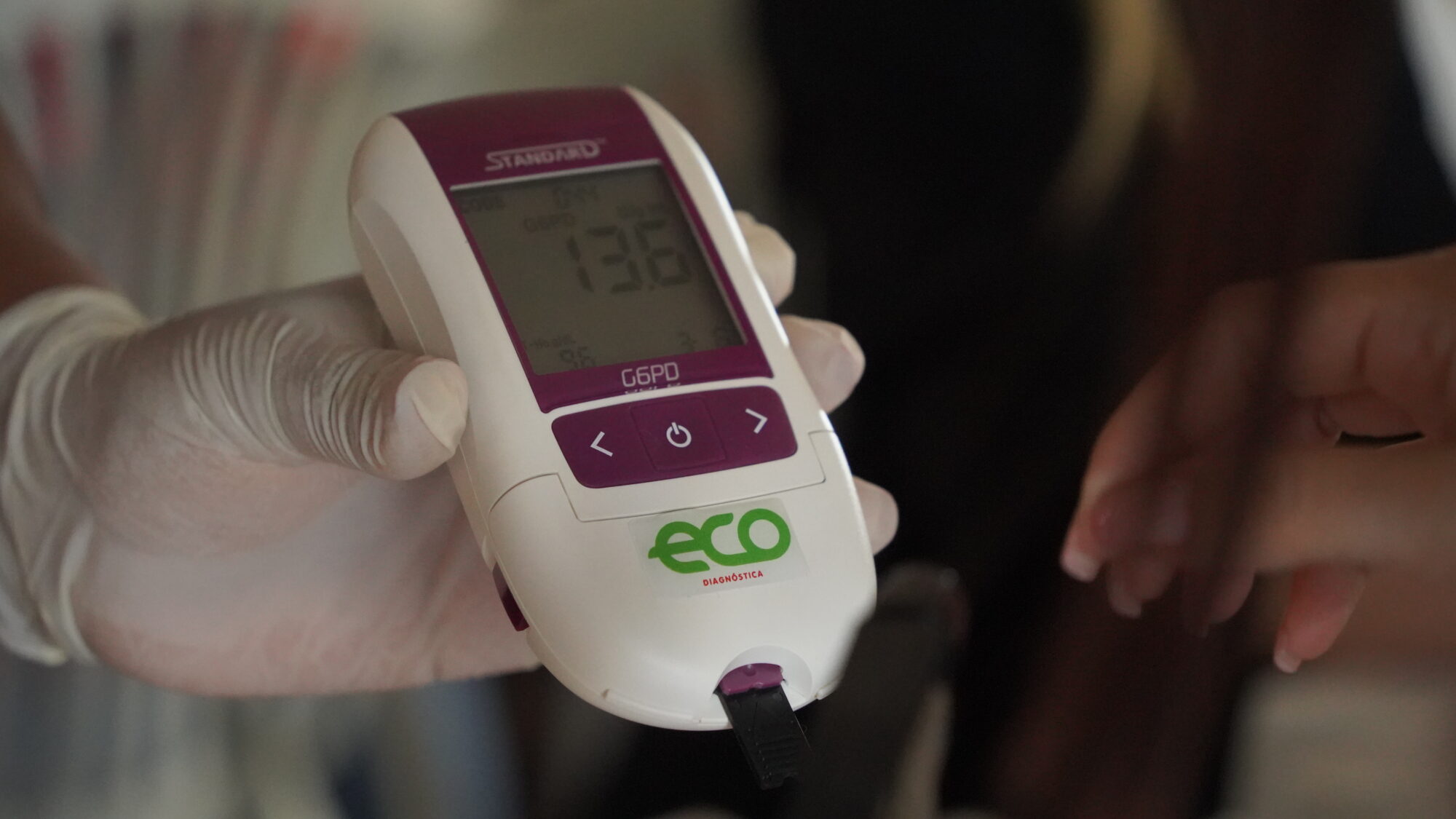
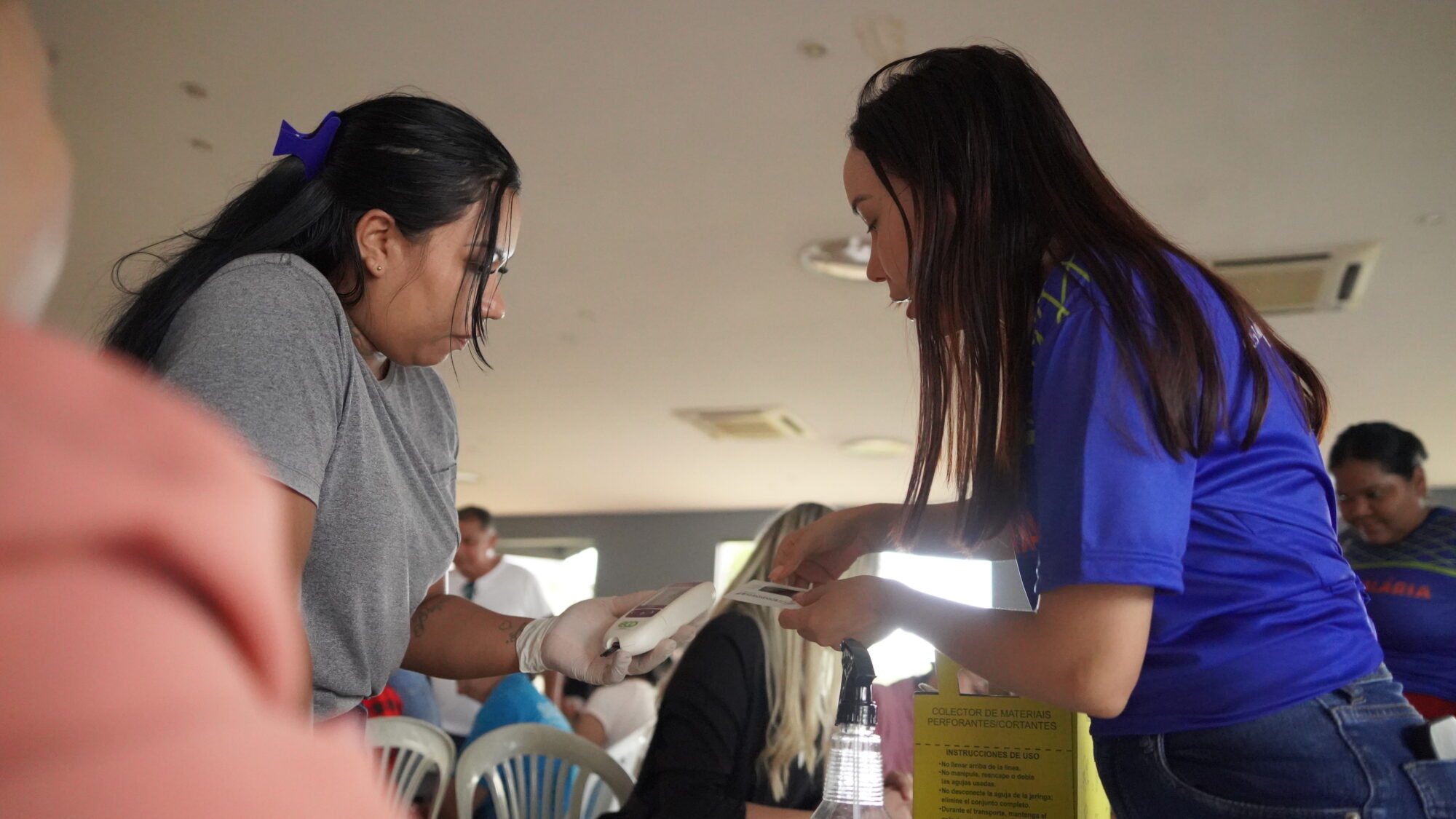
The G6PD point-of-care test allows doctors to test patients for G6PD deficiency and receive results within two minutes.

The device requires taking a pin prick of blood, which is tested in the analyzer. This looks for quantitative G6PD enzyme activity.

The analyzer is battery-operated and fits in the palm of one hand, so it can be easily stored and moved.

SD Biosensor's G6PD analyzer

The partnership

MedAccess provided a volume guarantee to SD Biosensor.

SD Biosensor continued to produce and supply its G6PD testing devices and test strips globally, and offered both products at a reduced price in low-and-middle-income countries.

PATH continued to work with countries with high P. vivax malaria incidence to increase use of G6PD testing and uptake of ‘radical cure’ treatment.

The new ceiling price was available in certain eligible countries.

Our innovative finance products

Impact

Our guarantee helped to ensure the G6PD market remained active ahead of expected market entry by companies with new devices. A healthy market with multiple suppliers will ensure more stable supply of G6PD testing in the future and lead to more competitive pricing.

A more stable G6PD testing market will also support increased prescription of effective treatment, contributing to reductions in P. vivax malaria reinfections and supporting progress towards elimination.

By the end of the agreement at the end of 2025, we estimate that the partnership contributed to:

  • 20,500 additional people receiving treatment, whereas without testing they wouldn’t have received any medication
  • 42,300 fewer P. vivax malaria relapses
  • $2 million saved for procurers, over the volume guarantee period.

How we calculated the impact of this agreement

Lives changed

Estimates for treatment eligibility were derived from projections by Watson et al. Estimates of treatment outcomes were derived from a 2020 meta-analysis by Rodrigo et al.

Money saved

Impact was based on actual price reductions for G6PD tests over the course of the volume guarantee.

Markets shaped

We work with partners, including donors, procurers and ministries of health, to track changes in health markets where our investments are supporting access to products. We monitor for changes to policy, procurement practices and supplier movement, all of which affect markets and contribute to the long-term sustainability of impact.
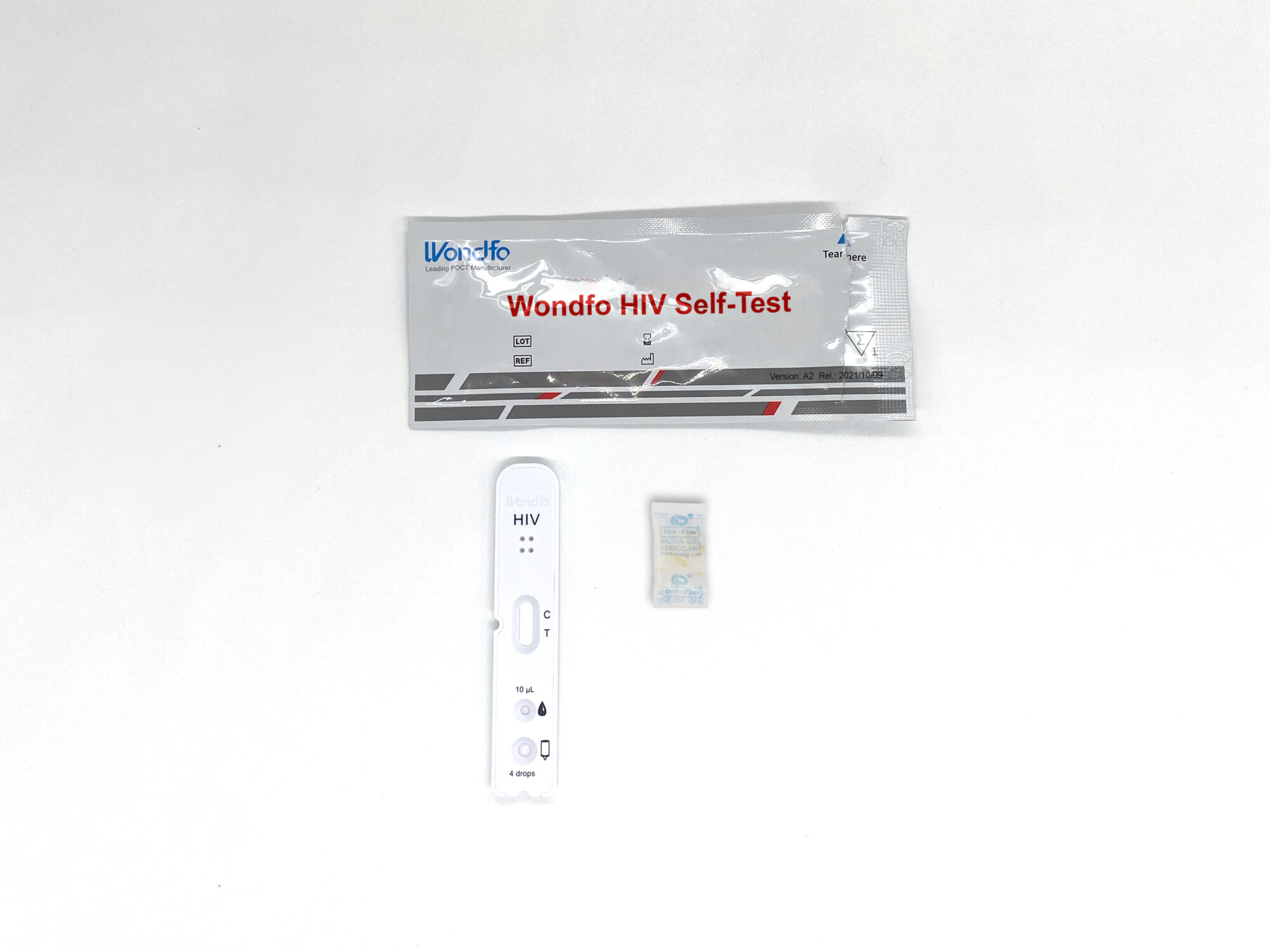
Wondfo: HIV self-test

Self-testing enables people at risk of HIV to test themselves quickly, conveniently and discreetly.

Since 2022, we have supported Wondfo with a volume guarantee to offer its HIV self-test at a record low price, helping national HIV programmes expand use among key populations.

The challenge

Public health

HIV causes AIDS, which is one of the leading causes of death by infectious disease. In 2022, more than 5 million people living with HIV did not know their HIV status, meaning they are not on treatment and are at risk of developing AIDS-related illnesses and unknowingly passing the virus on. Testing is the gateway to accessing HIV prevention, treatment, and care.

Current HIV testing strategies are not effectively reaching priority populations, such as people who use drugs, sex workers and LGBTI people. People from these groups often face stigma, discrimination, and even criminalisation if they seek an HIV test at a clinic. The World Health Organization (WHO) recommends countries implement self-testing as part of HIV testing services.

Market situation

WHO prequalified HIV self-tests have been available since 2016. They are not widely used in lower-income countries because of their historically higher costs compared to professional-use tests offered in health facilities.

Global health organisations have provided a lot of support to introduce and scale-up HIV self-testing, with six suppliers now providing WHO-prequalified tests. However, the market remains dominated by a single company, leading to higher prices and limited use as donors and countries face pressure on HIV budgets.

Impact

By the end of 2025:

An additional

1.23m

people tested for HIV

An additional

19,800

people living with HIV starting treatment

$1.12m

in savings for procurers

The product

HIV self-tests are safe, easy to use, and provide accurate results in less than 30 minutes.

People will be able to collect self-tests from convenient locations before testing themselves and reading their results in private, when and where they want. This is especially valuable for people at higher risk of HIV who need more frequent testing.

The test requires taking a pinprick blood sample which is tested in the device. If a person returns a positive test, they should seek a confirmatory test with a qualified health worker.

Wondfo's HIV self-test

The partnership

MedAccess provided a volume guarantee to Wondfo.

Wondfo committed to launch its newly prequalified HIV self-test at $1 for public sector purchasers in 140 low- and middle-income countries. This will enable national HIV programmes and key partners to scale up HIV self-testing to meet growing demand, enable the expansion to new use-cases for self-testing (e.g. for pre-exposure prophylaxis (PrEP) monitoring) and increase treatment coverage.

CHAI helped facilitate the volume guarantee and supports countries’ adoption of the prequalified HIV self-tests.

Impact projections

Wondfo’s HIV self-test obtained WHO prequalification in July 2022 and national registrations in priority countries are ongoing, helping to build long-term supply security.

Our guarantee enabled Wondfo to reduce the price of its self-test to the lowest on the market, driving competition and setting a benchmark price for future entrants. This brings the price close to that of professional-use tests, giving countries a wider range of options to choose from and the flexibility to design programmes that take advantage of the unique benefits of HIV self-tests.

It also improves the attractiveness of HIV self-tests as an option for expanded use cases where frequent testing is recommended, such as supporting the use of pre-exposure prophylaxis (PrEP).

We project that improved access to self-testing through this partnership will contribute to:

  • 8.1 million additional people tested for HIV and an additional 131,000 people starting treatment.
  • 33% reduction in HIV self-test price for public procurers.

How we calculate the impact of this agreement

Lives changed

Estimates for test uptake and linkage to care are based on a meta-analysis by Njau et al. Average HIV positivity rates for Africa reported by UNAIDS were applied to estimate people living with HIV identified through testing.

Money saved

Impact is based on comparing the negotiated price to the expected lowest priced equivalent HIV self-test.

Markets shaped

We work with partners, including donors, procurers and ministries of health, to track changes in health markets where our investments are supporting access to products. We monitor for changes to policy, procurement practices and supplier movement, all of which affect markets and contribute to the long-term sustainability of impact.
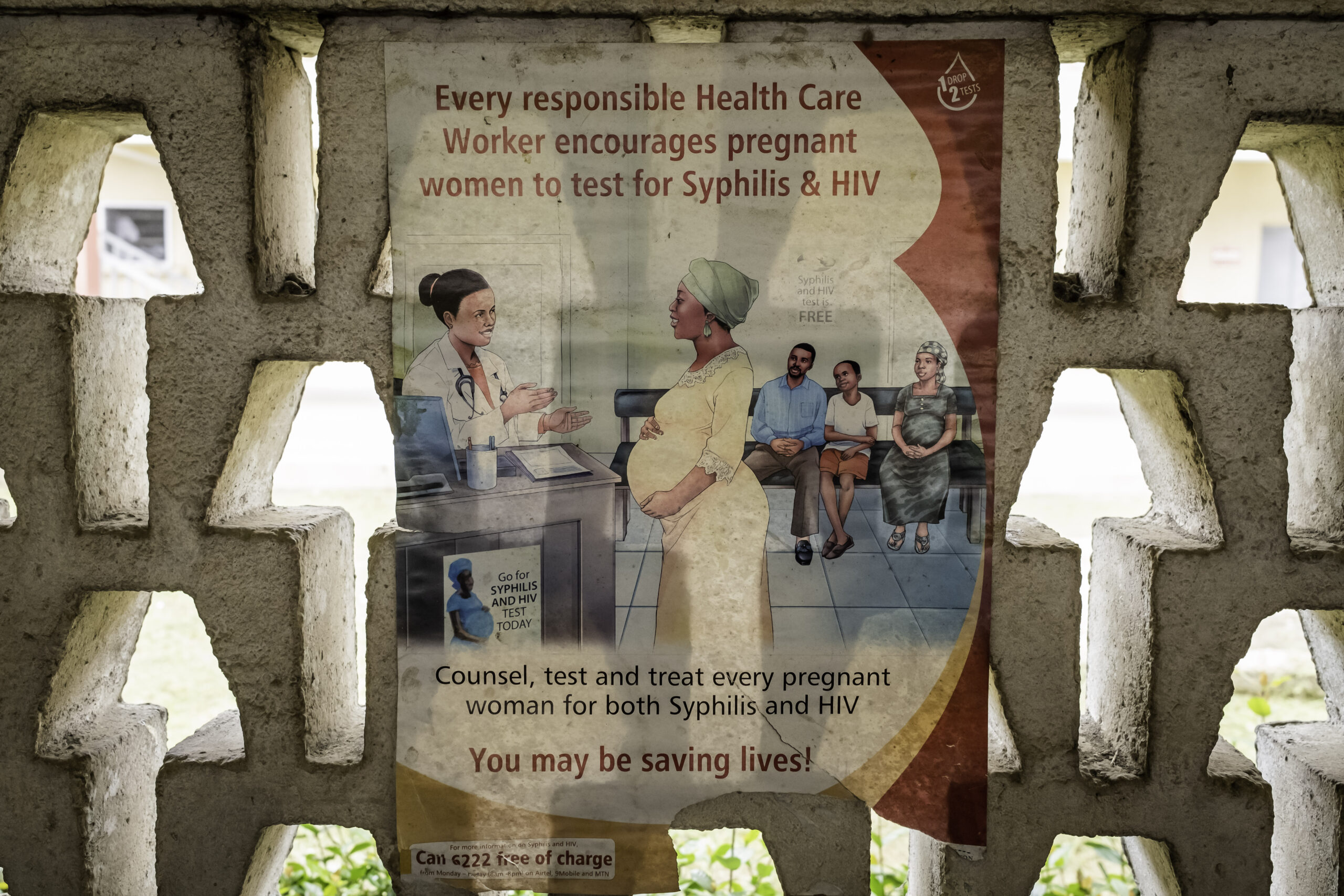
SD Biosensor: Dual test for HIV and syphilis

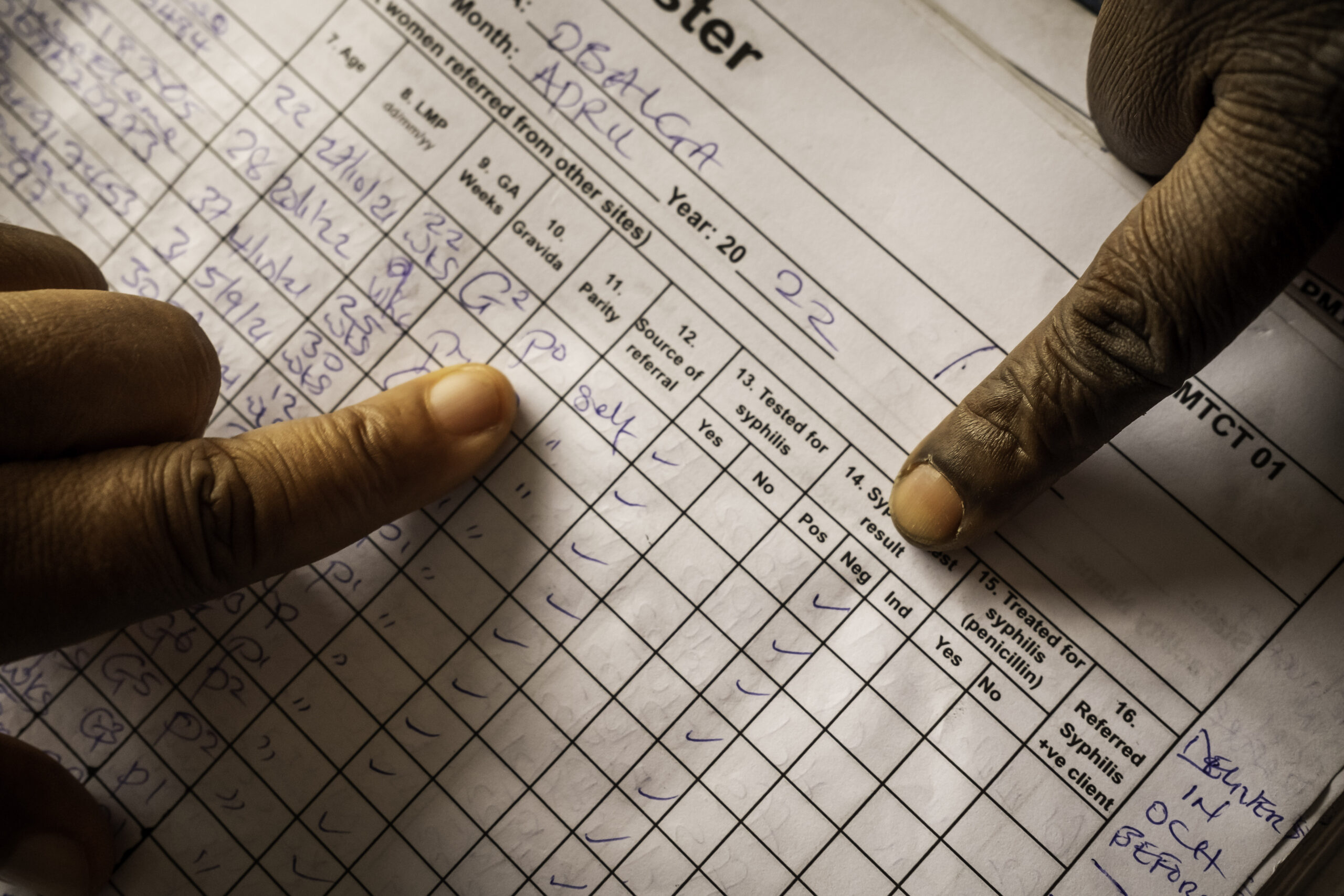
Syphilis testing rates in pregnant women lag far behind those for HIV, despite the serious risks to mothers and babies.

From 2021 to 2025, we supported SD Biosensor with a volume guarantee to reduce the price of its HIV/syphilis rapid test, enabling more countries to protect mothers and babies with dual testing.

Impact

By the end of the agreement:

770k

pregnant women with syphilis treated

162k

stillbirths averted

$13.6m

saved for procurers

The product

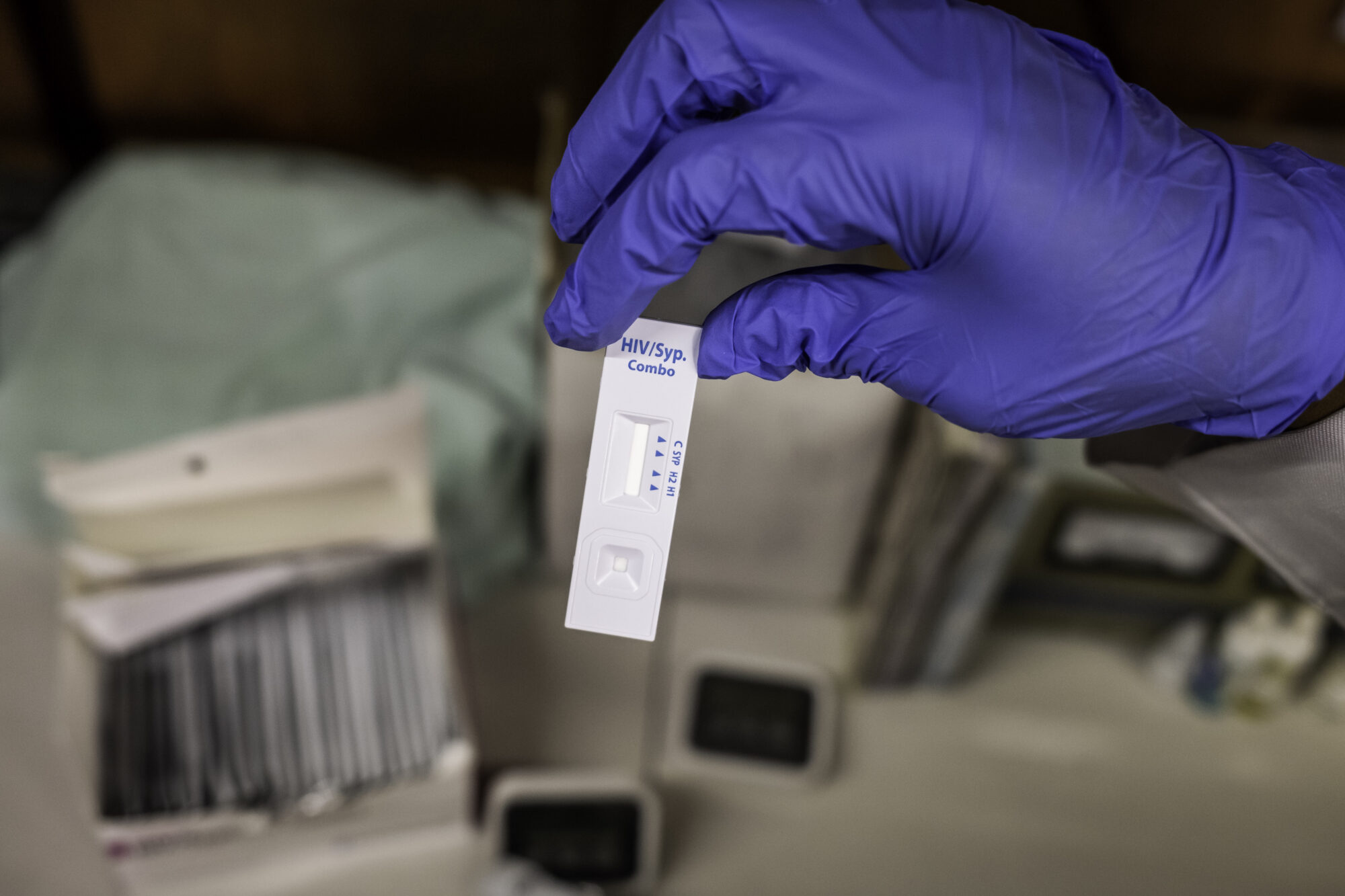
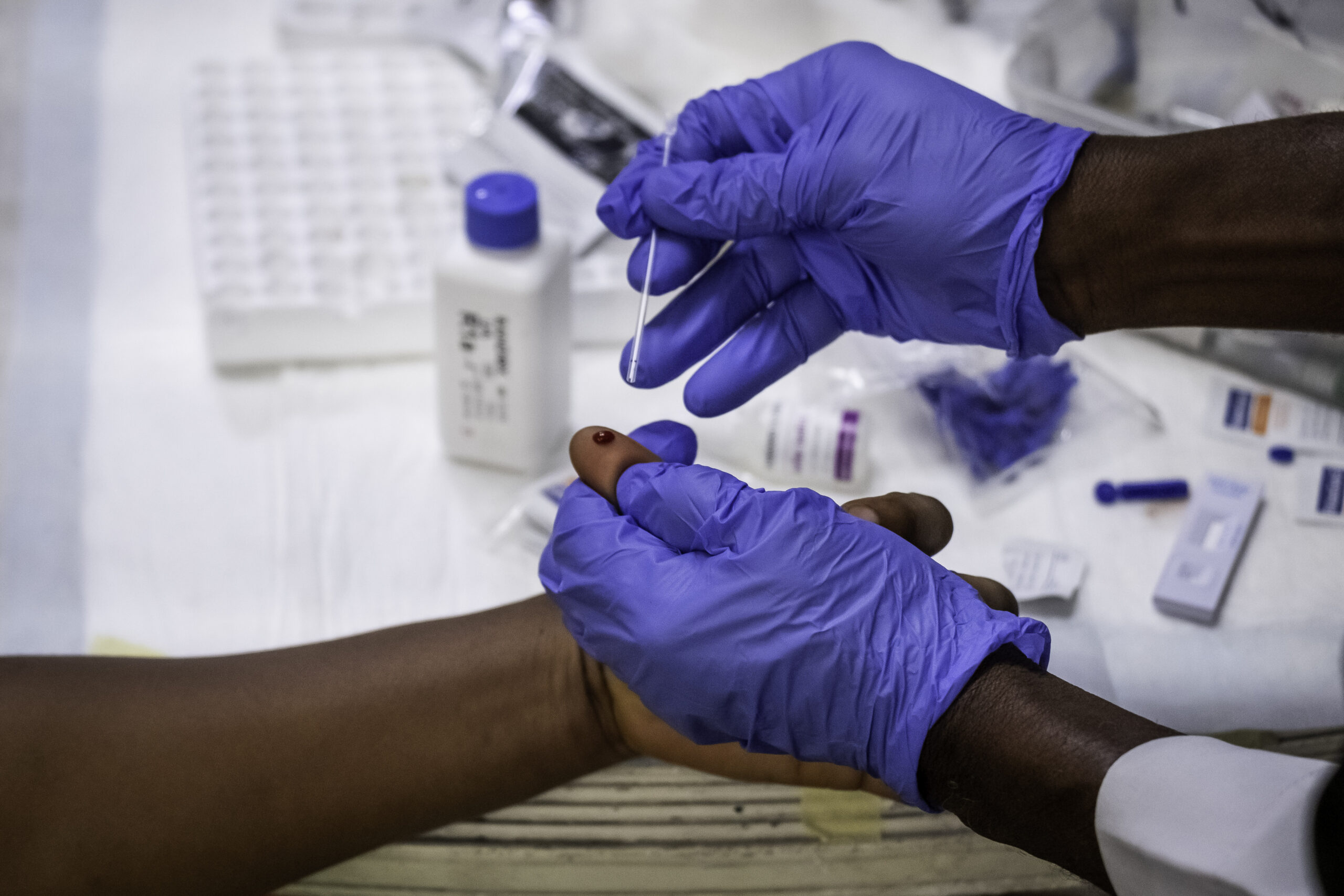
The dual test is a point-of-care rapid diagnostic test that simultaneously detects antibodies to both Treponemal pallidum (TP, the cause of syphilis infection) and HIV in under 20 minutes from a single finger-prick blood sample.

The dual test means syphilis testing can be integrated into HIV testing programmes in antenatal care settings, closing the testing gap between HIV and syphilis.

SD Biosensor's dual test

The partnership

MedAccess provided a volume guarantee to SD Biosensor for the dual test.

SD Biosensor agreed to reduce the price of its dual test to below $1 for public purchasers in over 100 low- and middle-income countries. SD Biosensor continued to produce and supply the dual test, increasing availability and access to the product in low-and-middle-income countries.

CHAI helped to facilitate the volume guarantee agreement and continues to support country adoption of the dual test.

Our innovative finance products

How we calculated the impact of this agreement

Lives changed

Estimates for additional women receiving access to syphilis testing were based on 2020 antenatal testing coverage for syphilis in African countries. Downstream patient outcomes were estimated based on 2020 seroprevalence and treatment rates in African countries, and a meta-analysis of risk for adverse outcomes of pregnancy by Gomez et. al.

Money saved

Impact was based on comparing the negotiated price to the expected weighted average market price of HIV-syphilis dual tests, including expected distributor mark-up where relevant.

Markets shaped

We work with partners, including donors, procurers and ministries of health, to track changes in health markets where our investments are supporting access to products. We monitor for changes to policy, procurement practices and supplier movement, all of which affect markets and contribute to the long-term sustainability of impact.
Macleods: 3HP latent TB treatment

3HP preventive therapy protects people with latent TB from developing active TB, with a shorter treatment duration and fewer pills than previous regimens.

From 2021 to 2023, we provided Macleods with a volume guarantee to secure the availability of 3HP, supporting the work of the IMPAACT4TB partnership.

The challenge

Public health

Tuberculosis (TB) is a leading cause of death from an infectious disease. Latent TB infection occurs when someone is infected with TB-causing bacteria but is asymptomatic and non-infectious. About a quarter of the world’s population are estimated to have latent TB and, over a lifetime, 5-10% will develop active TB. The chance of latent TB becoming active is much higher in people living with HIV and household contacts of TB patients, particularly children under five.

The 3HP regimen effectively treats and cures latent TB in most patients. But access to preventive treatment was behind targets for the period 2018-2022. Addressing latent TB is essential to reducing the incidence and mortality of TB globally.

Market situation

The previous standard-of-care for latent TB, called isoniazid preventive therapy (IPT), was developed over 60 years ago and has seen limited uptake and poor patient adherence due to the treatment duration of six months or more. In 2018, the World Health Organization (WHO) updated its global guidance for latent TB management to include 3HP as a treatment option for both adults and children.

Historically, demand for 3HP has been limited by high prices and supply constraints. Prior to Macleods’ entry into the 3HP market, there were no suppliers of fixed-dose combinations and only one supplier of a 3HP co-pack with very limited production capacity.

Impact

By the end of the agreement:

661k

additional people living with HIV completed treatment with 3HP

166k

hospitalisations due to treatment side effects averted

1.3m

approximate cases of latent TB in household contacts averted

The product

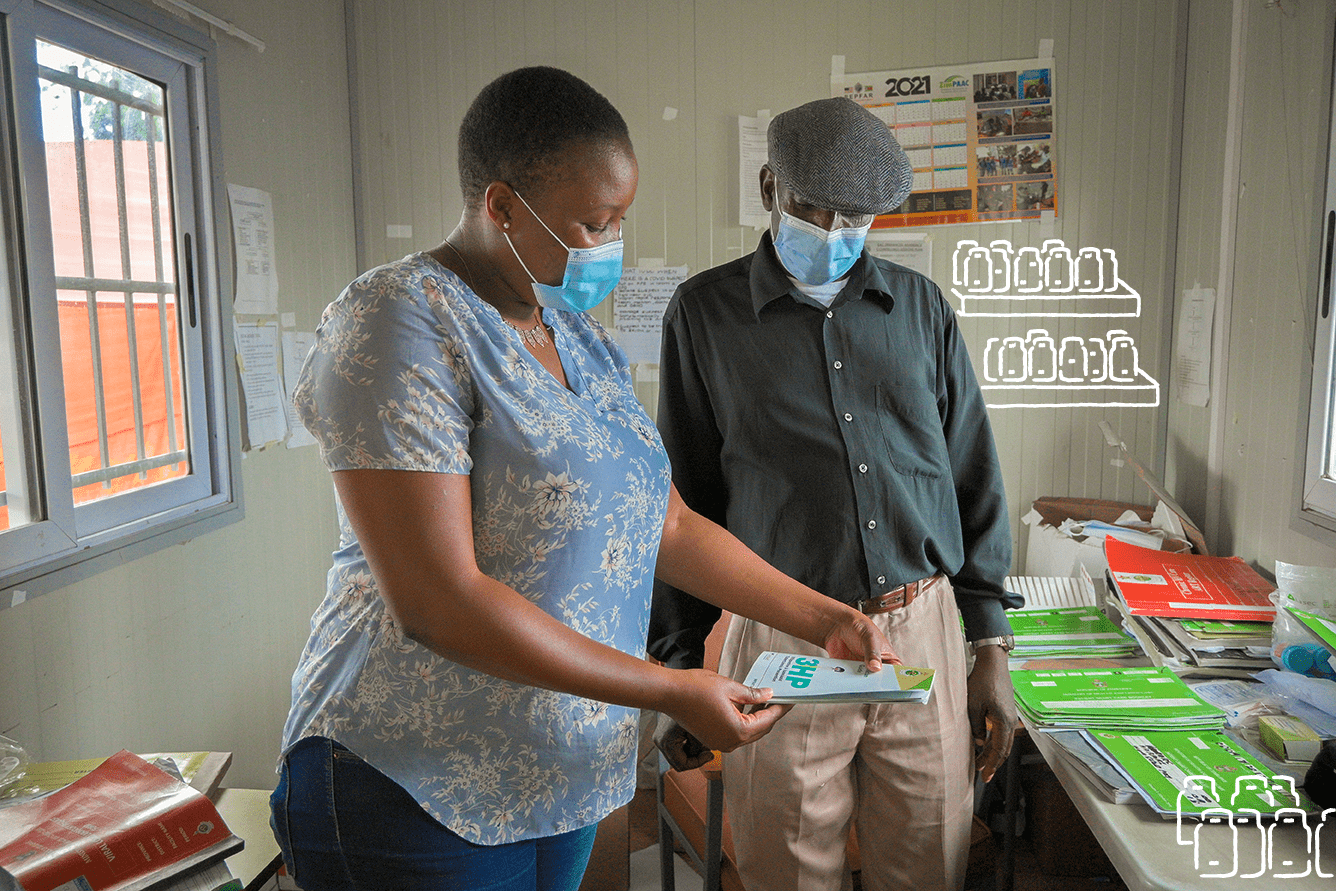
3HP is a fixed-dose combination therapy that combines two antibiotics – isoniazid and rifapentine – for the treatment of latent TB. It is a short-course regimen, taken once a week for three months.

Because of its shorter treatment duration and reduced pill burden, 3HP is as effective as IPT, with fewer side effects and better completion rates (90% on 3HP versus 50% on IPT).

More from IMPAACT4TB

The partnership

MedAccess provided a volume guarantee to Macleods.

Macleods will continue to produce and supply 3HP, scaling up capacity to meet increasing demand. Our guarantee enabled Macleods to initially lower its price for 3HP to $15 per patient course, before a further reduction in August 2022 to $14.25 per patient course.

The volume guarantee agreement complemented a broader set of interventions provided by the Clinton Health Access Initiative (CHAI) and Unitaid, as part of the IMPAACT4TB programme led by The Aurum Institute, to support the commercialisation and roll-out of 3HP.

The new ceiling price was available in 138 low- and middle-income countries.

Our innovative finance products

Impact

By the end of the agreement:

52

countries had accessed 3HP under the terms of our agreement

32%

average price reduction

$29m

in procurement savings

The impact

Our guarantee helped secure Macleods’ commitment to make 3HP available at $14.25 per patient course, setting a low-cost price benchmark for new competitors entering the market.

Since this volume guarantee was announced, a new supplier entered the market at the same price as Macleods, driving greater competition, improving supply sustainability, and increasing product choice.

As of 2024, we estimate the partnership had contributed to:

  • an estimated additional 661,000 people living with HIV completing treatment, improving health outcomes and tackling onward transmission
  • 166,000 fewer people hospitalised due to adverse effects from the medication when compared to the current standard-of-care,
  • an estimated $29 million in procurement savings, through an average price reduction of 32%.

How we calculated the impact of this agreement

Lives changed

Downstream patient outcomes were estimated based on the pooled risk analysis developed for the 2020 update of the WHO Latent Tuberculosis Infection Guidelines, and represent relative risk for people living with HIV when comparing 3HP to the current standard-of-care, isoniazid preventive therapy.

Money saved

Impact was estimated based on actual price reductions for 3HP over the course of the volume guarantee.

dsm-firmenich: Vitamin A for food fortification

Vitamin A deficiency can cause blindness, impaired growth and severe infectious diseases, with the greatest harm to pregnant women and children.

Since 2025, we have provided dsm-firmenich with a volume guarantee to support stable pricing and sustainable supply of vitamin A for edible oil millers, ensuring greater access to fortified cooking oil.

© indrarf / Shutterstock.com

The challenge

Public health

Vitamin A deficiency affects approximately 500 million people globally, mainly in Africa and Asia. It is particularly prevalent in low- and middle-income countries (LMICs) due to food insecurity and limited dietary diversity.

A deficiency in vitamin A has particularly adverse consequences for women of reproductive age and children, leading to blindness, impaired growth, and increased severity of infectious diseases.

In children, vitamin A deficiency significantly increases the risk of illness and death from common infections such as diarrhoea and measles. It is also the leading preventable cause of blindness. In women of reproductive age, vitamin A deficiency increases the risk of maternal night blindness, infection, and other adverse outcomes during pregnancy and lactation.

Market situation

The vitamin A market frequently sees severe price volatility and supply insecurity due to market disruptions.

Although fortification with vitamin A is mandatory in many countries, edible oil millers often face significant challenges to fortify their products when the price of vitamin A increases or supplies become scarce. This makes it difficult for millers to plan ahead, procure consistently, and fortify oil in adequate volumes.

This first-of-its-kind partnership supports predictable vitamin A prices in an important market where fortified food is a big contributor to ensuring people benefit from vitamin A.

Impact to date

By the end of 2025:

3.8m

additional children with vitamin A deficiency reached

$1.39m

saved for edible oil millers

The product

Vitamin A is essential for the functioning of the immune system and healthy growth of children. People can become deficient in the vitamin due to a limited diet.

Food fortification involves adding safe levels of micronutrients such as vitamin A to commonly consumed foods such as cooking oil, to increase their nutrient content. Edible oil millers blend vitamin A into the oil during production. Consumers benefit from the fortified oil in their daily cooking.

The fortification of edible oil with vitamin A is mandated in many LMICs. Supporting edible oil millers to access vitamin A at affordable, predictable prices can support compliance efforts.

The partnership

MedAccess has partnered with dsm-firmenich to provide stable pricing and sustainable supply of vitamin A, ensuring a more affordable and transparent price for edible oil millers in LMICs. This initiative will significantly increase the amount of fortified oil available, therefore improving public health outcomes.

dsm-firmenich will not exceed ceiling prices of $59 per kg (ex-works) for vitamin A and $43.30 per kg (ex-works) for a vitamin A and D3 blend when sold to edible oil millers for fortification in low- and middle-income countries (LMICs).

To enable dsm-firmenich to offer these ceiling prices, MedAccess has provided a volume guarantee, covering any shortfall in agreed sales.

Impact projections

Our guarantee is contributing to stabilised prices and sustained supply of vitamin A, to support the continued fortification of edible oil.

By stabilising prices, this guarantee will address historical price volatility, improving visibility and supply security for edible oil millers, and support longer-term planning and forecasting to ensure adequate fortification.

Using evidence from supplementation trials to approximate the potential benefits of fortification, we project that improved access to oil fortified with vitamin A can contribute to:

  • 1.21 million cases of vitamin A deficiency addressed in children under five
  • 1.14 million cases of anaemia addressed in children under five.

How we calculate the impact of this agreement

Lives changed

Evidence for the benefits of food fortification is limited due to the complexities of controlled nutrition monitoring. Vitamin A supplementation clinical trials were used as a proxy to estimate the benefit of daily, continued consumption of fortified oil. Estimates for cases of vitamin A deficiency addressed were based on a meta-analysis by Imdad et al.

Money saved

Impact is based on comparing the negotiated price to the historical median market price.

Markets shaped

We work with partners, including donors and procurers to track changes in health markets where our investments are supporting access to products. We monitor for changes to policy, procurement practices and supplier movement, all of which affect markets and contribute to the long-term sustainability of impact.

Elekta: Radiotherapy treatment

Over 50% of cancer patients need radiotherapy as part of their treatment, but access is low across Africa.

In 2025, MedAccess provided a volume guarantee to Elekta to deliver a new, innovative pay-per-use model for radiotherapy treatment in Kenya and Tanzania.

© Parasmani Pradhan/Shutterstock.com

The challenge

Public health

Cancer is becoming a major health issue in Africa. In 2024, there were 1.2 million new cancer cases and over 720,000 people died from the disease. Experts predict that by 2050, the number of new cancer cases will more than double.

One of the biggest challenges is that over 70% of cancer cases are diagnosed at advanced stages, making treatment less effective and increasing the need for radiotherapy.

However, only 33 out of 54 African countries report having access to radiotherapy technology, even though 50% of cancer patients need it as part of their treatment.

Market situation

The International Atomic Energy Agency suggests that there should be one radiotherapy machine for every 250,000 people. To meet this standard, Africa would need 6,000 radiotherapy machines, but it currently has far fewer at just 660.

The number of radiotherapy machines – and access to those that are installed – in Africa is very limited. Countries often get into a situation where they have paid significant up-front costs for the machines and then have significant additional maintenance costs to keep the machines running.

In countries where domestic resources for health are tight, they are unable to work with that level of unpredictability and therefore either stop using the machines, cannot use them during long periods of downtime, or don’t purchase them in the first place.

The product

Radiotherapy is effective at treating many types of cancer in most parts of the body. It uses high energy radiation beams to damage the DNA of cancer cells, causing them to stop dividing or killing them entirely. There are two main forms of radiotherapy equipment: external-beam radiotherapy (EBRT) using linear accelerators (LINACs) and brachytherapy.

The two Elekta products in our partnership include:

  1. Elekta Infinity (LINAC): Its flexibility enables operators to treat a diverse range of patients on one multifunctional platform. Patients experience reduced treatment time due to its high performance, enabling more patients to be treated by each machine.
  2. Elekta Flexitron (brachytherapy): Its intuitive user interface gives operators the confidence that they are delivering treatment in the safest and most efficient way. Its logical workflow enables precision and accuracy for the best patient care.

The partnership

MedAccess has partnered with Elekta with the aim of increasing access to radiotherapy machines and services to public and public-private healthcare facilities in Kenya and Tanzania. With support from MedAccess’ volume guarantee, Elekta is able to offer an innovative pay-per-use model, to make its machines more sustainable for domestic governments.

Instead of buying the equipment outright, countries can pay an upfront fee and then make additional payments each time patients are initiated on treatment. This model reduces the initial cost of the machinery and improves procurement practices by making the process more transparent.

For each machine that Elekta successfully installs, MedAccess guarantees a minimum number of patients will receive care. If the number of patients falls short, MedAccess will cover the difference.

Impact projections

This initiative aims to make radiotherapy more accessible in Kenya and Tanzania, supporting governments to implement their national cancer strategies and increasing the number of cancer patients receiving the treatment they need.

The pay-per-use financing model is expected to encourage investment into cancer diagnosis and treatment by simplifying the payment structure, reducing up-front costs, enabling governments to adopt service and maintenance and achieve higher machine uptime.

Lives changed

Based on projected machine installations under the agreement, in the first six years after installation an estimated additional 22,400 cancer patients, who would not have received treatment otherwise, could be treated. This contributes to an estimated 1,700 more people surviving for at least five years post-treatment.

Markets shaped

By reducing the upfront capital commitment to machinery, this initiative can speed up the expansion of radiotherapy services. The pay-per-use model makes procurement practices more transparent, which makes the process more efficient and reliable. It also increases competition, which can lead to better services and innovations in the long run.

Additionally, the partnership improves supply security by simplifying the financing model, ensuring that the necessary equipment is available when needed. The partnership can function as a proof-of-concept for this model, setting new standard pricing for pay-per-patient schemes which can help make treatments more affordable on a per patient basis.

How we calculate the impact of this agreement

Lives changed

Downstream patient outcomes are estimated based on cancer incidence in Kenya and Tanzania, most recent estimates of cancer survival rates in low- and middle-income countries, and the estimated impact of radiotherapy treatment on 5-year survival rates post-treatment.

Money saved

Impact is estimated based on current financing models for medical equipment, funded by public procurers in Kenya and Tanzania.

Markets shaped

We work with partners, including donors, procurers and Ministries of Health, to track changes in health markets where our investments are supporting access to products. We monitor for changes to policy, procurement practices and supplier movement, all of which affect markets and contribute to the long-term sustainability of impact.
BASF: Next-generation mosquito nets

Growing mosquito resistance to standard pyrethroid-only nets is threatening decades of progress against malaria.

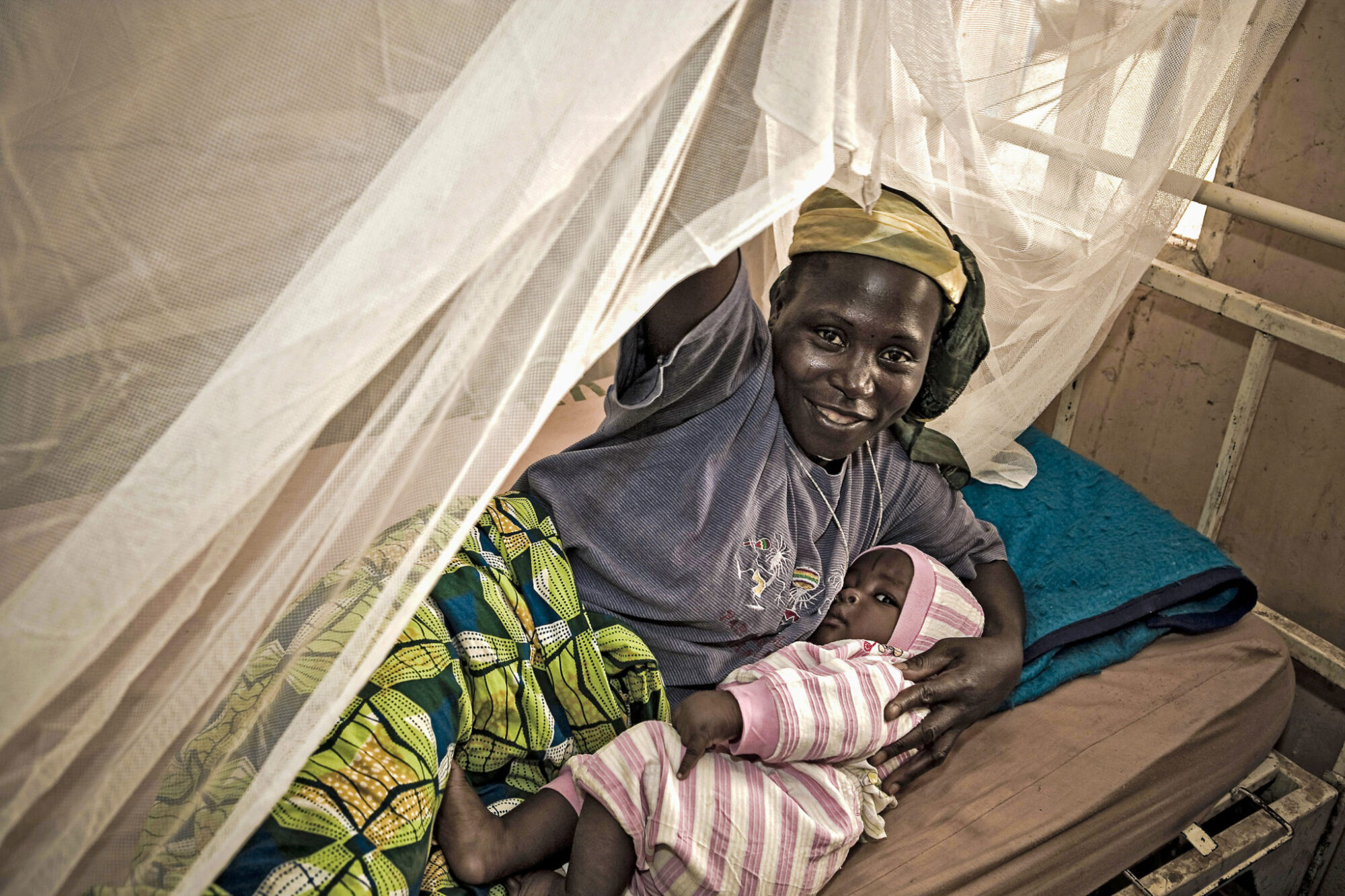
From 2019 to 2022, we supported BASF with a volume guarantee to reduce the price of its next-generation Interceptor® G2 dual-insecticide nets, so tens of millions of people could benefit from accelerated access.

Read impact story

The challenge

Public health

Malaria is a life-threatening illness caused by parasites transmitted to people bitten by infected female Anopheles mosquitos. The World Health Organization (WHO) estimates that malaria claimed 567,000 lives in 2019. Africa is disproportionately affected by malaria, accounting for approximately 95% of the cases and 96% of the deaths worldwide in that same year; 80% of those deaths were in children under five.

Insecticide-treated nets (ITNs) help prevent the spread of malaria by providing a physical barrier between mosquitos and sleeping people. However, growing resistance among mosquitos to pyrethroids – the main insecticide class used in standard ITNs – is hindering progress. According to WHO, 78 of the 88 malaria-endemic countries, covering all regions of sub-Saharan Africa, reported mosquito resistance to at least one of the four commonly-used insecticide classes in the period 2010-2019. Millions more people are at risk as standard nets become less effective in high resistance areas.

Market situation

While the price of standard nets has reduced substantially over the past decade, next-generation nets are more expensive. Despite its benefits, uptake of this new net was expected to be slow due to market-related barriers, including slow prioritisation, adoption uncertainty, and higher prices related to production. Many countries were cautious about buying next-generation nets as data from randomised controlled trials in Tanzania and Benin were being collected ahead of publication in 2022 and 2023 respectively.

In 2018, BASF’s Interceptor® G2 net was the only dual-active ingredient net using pyrethroid and chlorfenapyr, a new class of insecticide in public health. This made a volume guarantee the ideal instrument to address the high-price low-volume dynamic and support accelerated introduction of the nets ahead of expected growth in the market for dual-active ingredient nets.

Impact

By the end of the agreement:

15.6m

malaria cases averted (additional to standard nets)

122k

severe malaria cases averted (additional to standard nets)

36,200

deaths averted (additional to standard nets)

The product

BASF developed the Interceptor® G2, a dual-active ingredient net that uses chlorfenapyr in combination with pyrethroid, the standard insecticide generally used in ITNs. The new net is more effective in killing mosquitos that are resistant to pyrethroids, while still being able to kill mosquitos that have not developed resistance.

Two studies randomised control trials, in Tanzania and Benin, have shown Interceptor® G2 nets to be highly effective at reducing malaria cases. In both trials Interceptor® G2 outperformed other next generation nets and the current standard of care.

BASF's Interceptor® G2 nets

The partnership

MedAccess and the Gates Foundation provided a volume guarantee to BASF for 35 million Interceptor® G2 nets.

BASF agreed to increase production volumes and reduce prices.

The increased visibility into order volumes allowed BASF to better plan long-term resources, scale-up production and reduce prices by up to 40%. This made the nets more accessible and affordable for countries where insecticide resistance is growing and standard nets are becoming less effective.

Our guarantee builds on the commitment of organisations such as the Innovative Vector Control Consortium (IVCC), who partnered with BASF to support the development of the nets. It also supports the objectives of the New Nets Project co-financed by the Global Fund to fight AIDS, Tuberculosis and Malaria and Unitaid.

Our innovative finance products

Impact

By the end of the agreement:

$24m

direct savings for public bodies

$34.2m

savings to health systems due to averted cases and treatment

19

countries ordered Interceptor® G2 mosquito nets

The impact

Our guarantee has accelerated the introduction of a net designed to address the increasing issue of insecticide resistance and has catalysed rollout in countries with high malaria burden. Since the guarantee was signed, 19 countries have placed orders for next-generation nets.

As of the end of 2022, the partnership had contributed to:

  • nets distributed in 19 countries which are expected to avert approximately 15.6 million malaria cases and save 36,200 lives over the nets’ three-year lifespan.
  • price reductions of an average 40% led to direct savings of at least $24 million for procurers compared to what they otherwise would have paid for Interceptor® G2 nets.
Read impact story

How we calculated the impact of this agreement

Lives changed

Impact was based on projections developed by malaria modelling experts at Imperial College London. The figures provided by Imperial represent the impact of switching from standard long-lasting insecticide-treated nets to Interceptor® G2 nets within the countries where the nets are distributed.

Money saved

The price of individual nets varies by size. Impact was estimated based on actual price reductions for an average-sized net over the course of the volume guarantee.

Markets shaped

We work with partners, including donors, procurers and ministries of health, to track changes in health markets where our investments are supporting access to products. We monitor for changes to policy, procurement practices and supplier movement, all of which affect markets and contribute to the long-term sustainability of impact. To quantify change against a baseline, we used publicly available indicators as proxies for market-wide change.
Hologic: Viral load testing

Millions of people living with HIV cannot access the regular viral load testing needed to keep their treatment on track and prevent onward transmission.

From 2018 to 2022, we provided a volume guarantee to Hologic which enabled the company to set an all-inclusive ceiling price of $12 per test on its Panther® platform, increasing access to viral load testing for millions of people.

Read case study

The challenge

Public health

HIV causes AIDS, which is one of the leading causes of death by infectious disease. HIV transmission can be reduced if patients start taking combinations of medicines – called antiretroviral therapy (ART) – soon after acquiring HIV. Effective ART regimens can suppress HIV viral load, which can prevent death and onward transmission and allow patients to live longer, healthier lives.

In 2014, UNAIDS launched the “90-90-90” targets, calling for 90% of people living with HIV to know their status, 90% of those diagnosed to receive treatment, and 90% of those on treatment to achieve viral suppression by 2020. Those targets were later updated to “95-95-95” by 2030. However, in 2017, the year before the MedAccess agreement, only 81% of people receiving antiretroviral therapy were virally suppressed, and millions of people with HIV lacked access to viral load testing.

Market situation

Hologic’s Panther® platform can test for HIV and viral hepatitis viral load and provide diagnosis for COVID-19 and human papillomavirus (HPV), the leading cause of cervical cancer. The Panther® platform obtained World Health Organization (WHO) pre-qualification in December 2017.

The total size of the viral load market was around $190 million a year. At the time, the two dominant suppliers in Africa offered HIV viral load testing at a wide range of prices. Procurement of products and services was fragmented, leading to untransparent pricing. As a result, access to regular viral load testing was often limited in sub-Saharan Africa. Countries that had purchased viral load testing equipment had many machines out of use due to inconsistent service and maintenance.

Impact by end-2022

By the end of the agreement:

932k

patients not virally suppressed identified

457k

patients switched to 2nd-line treatment

The product

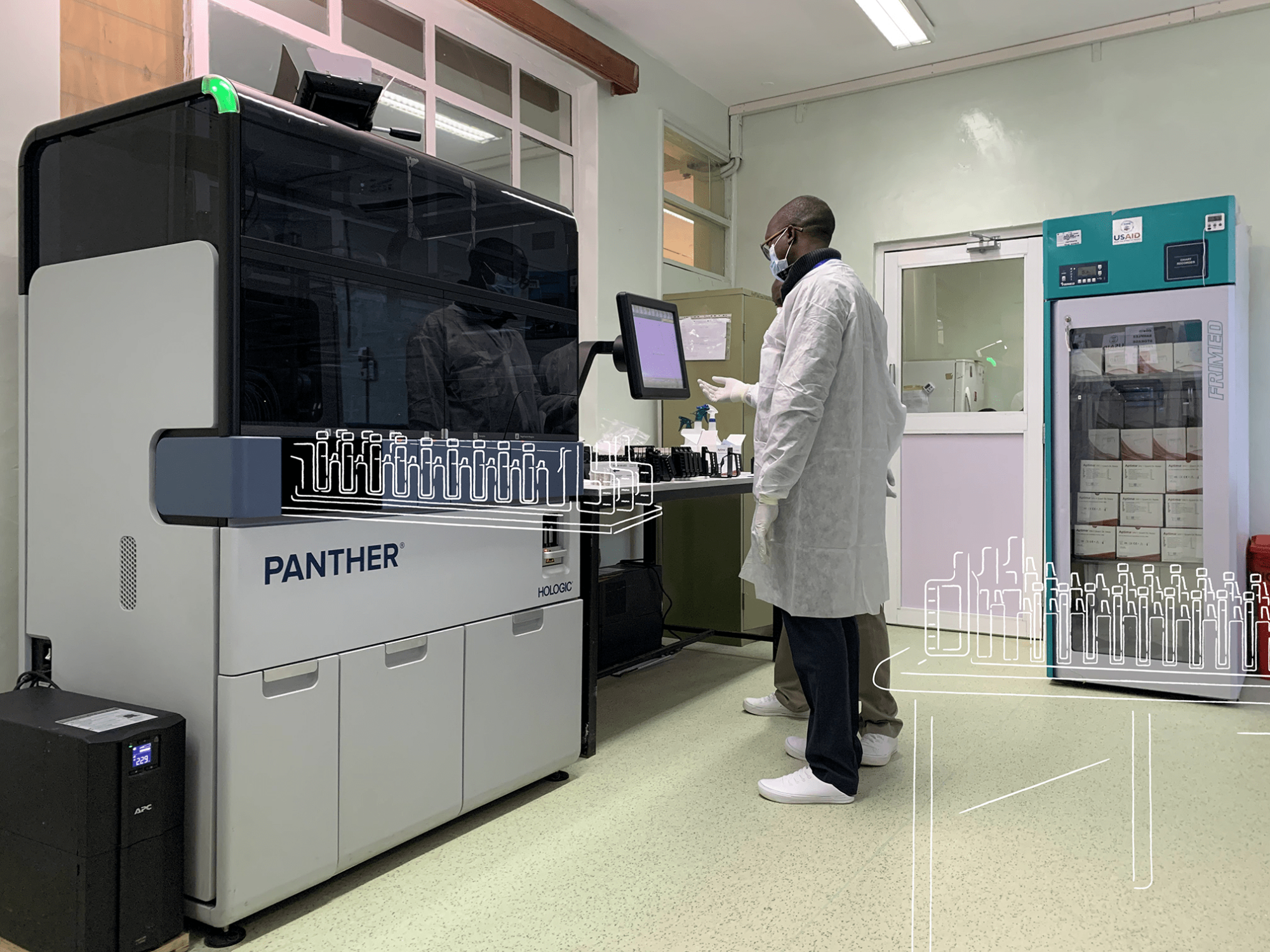
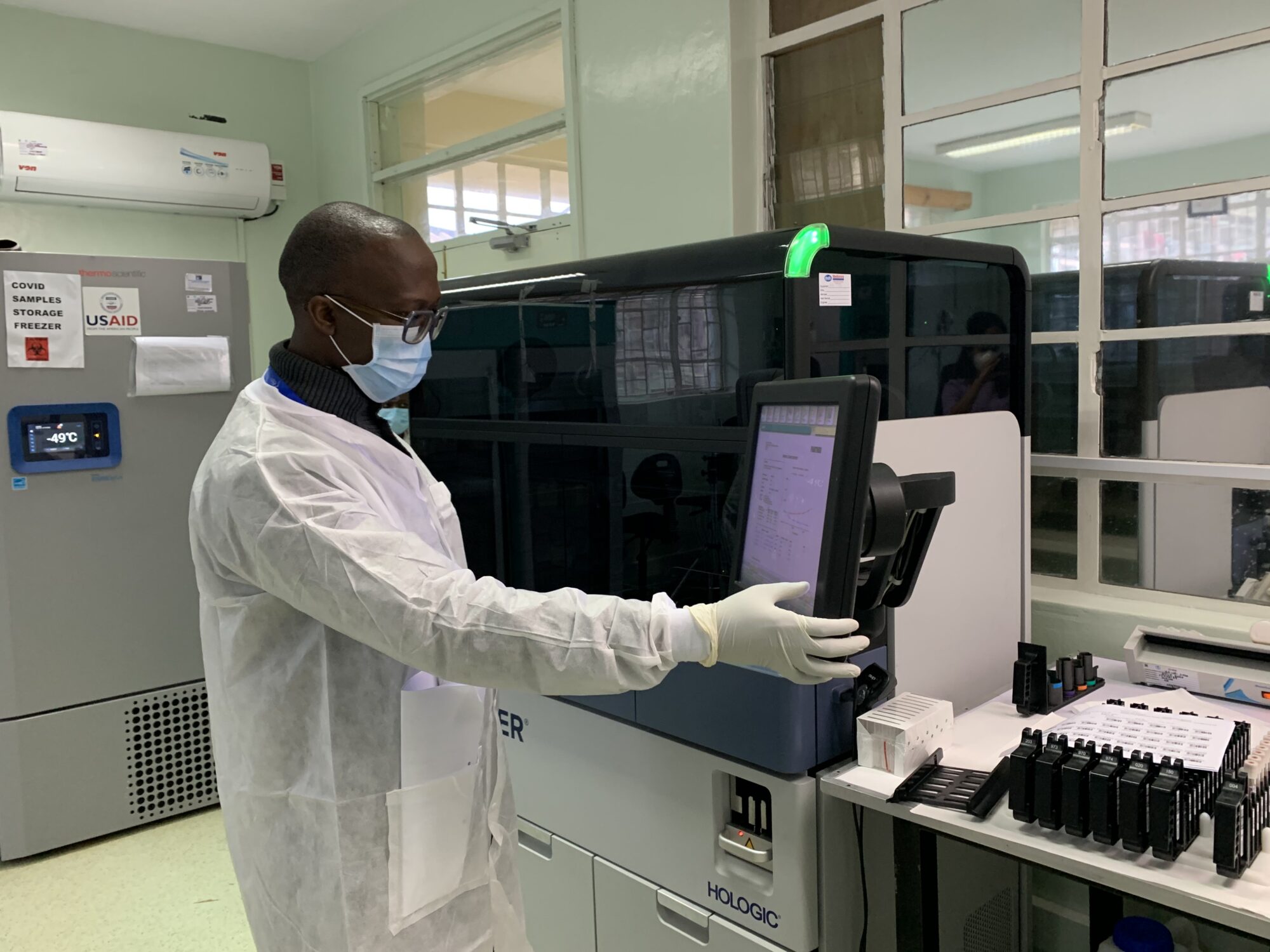
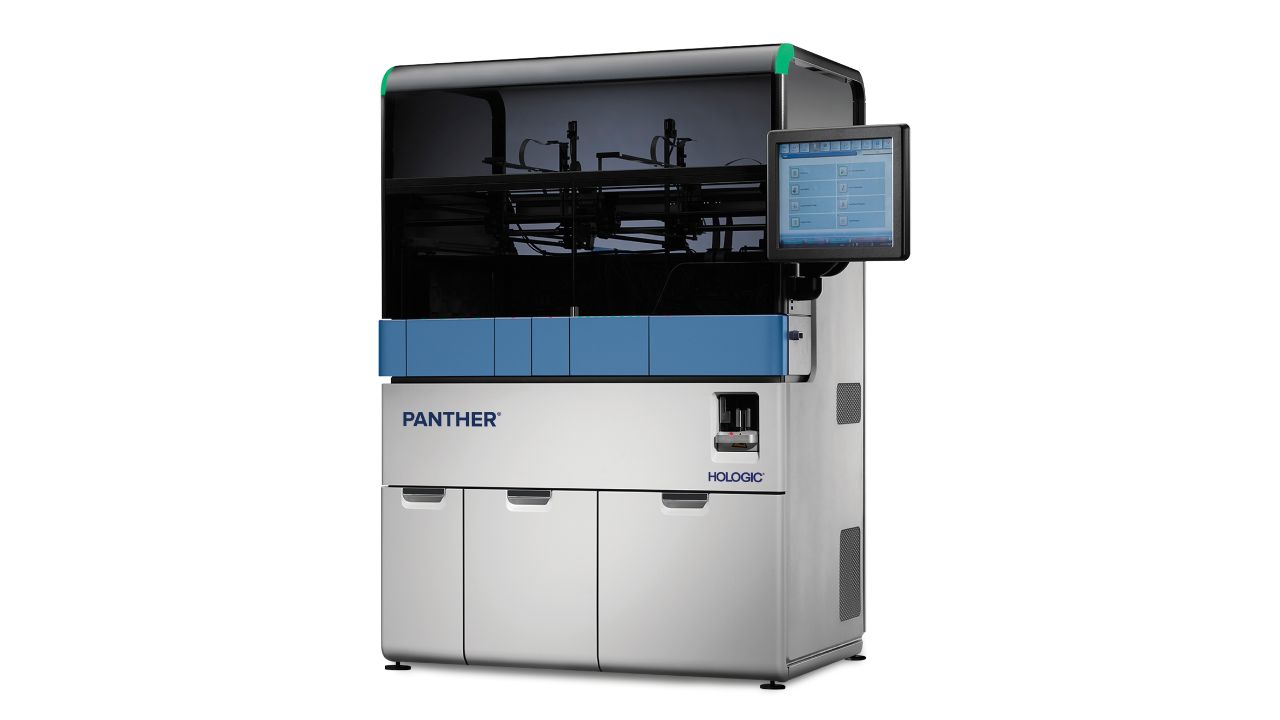
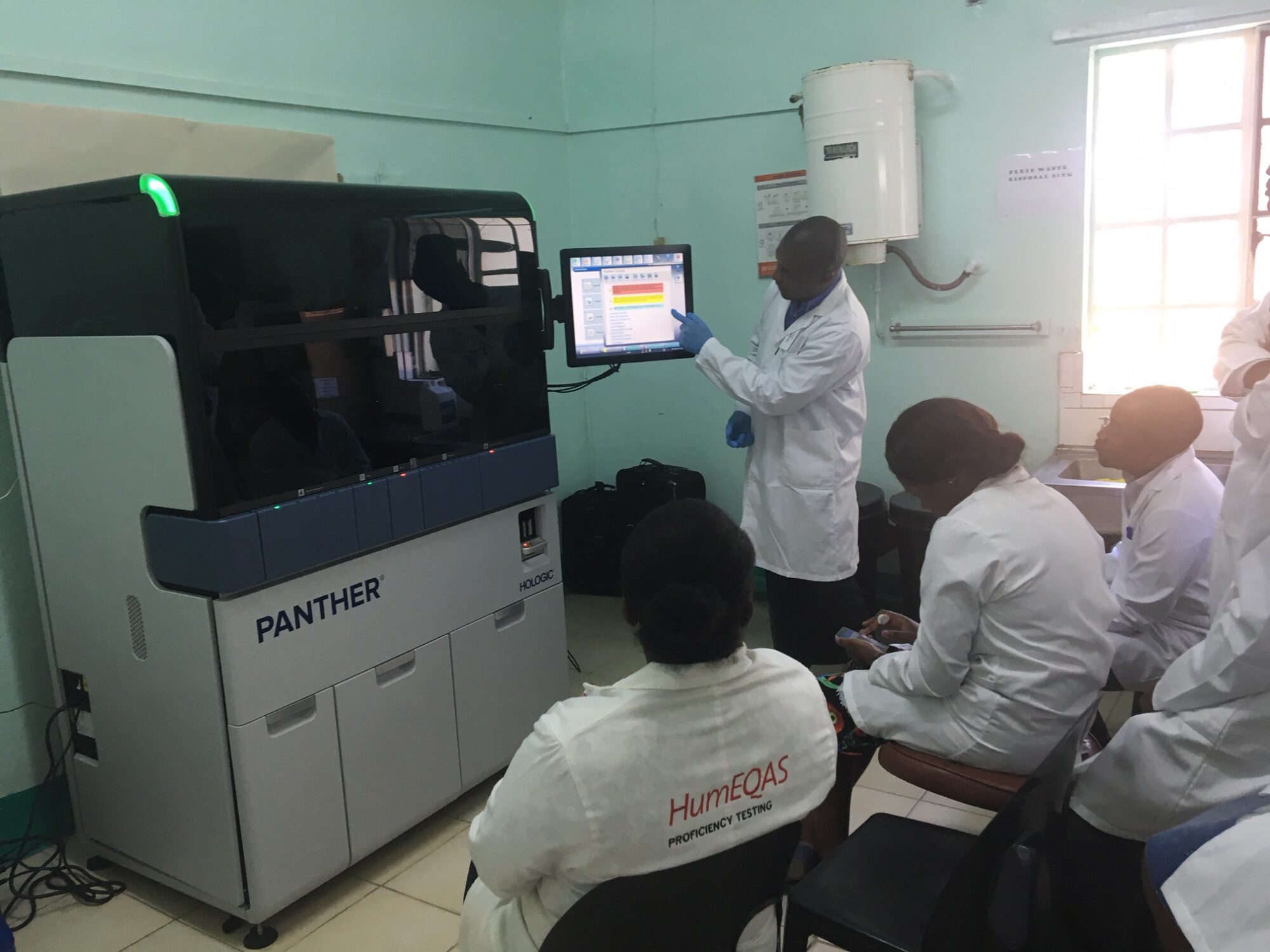
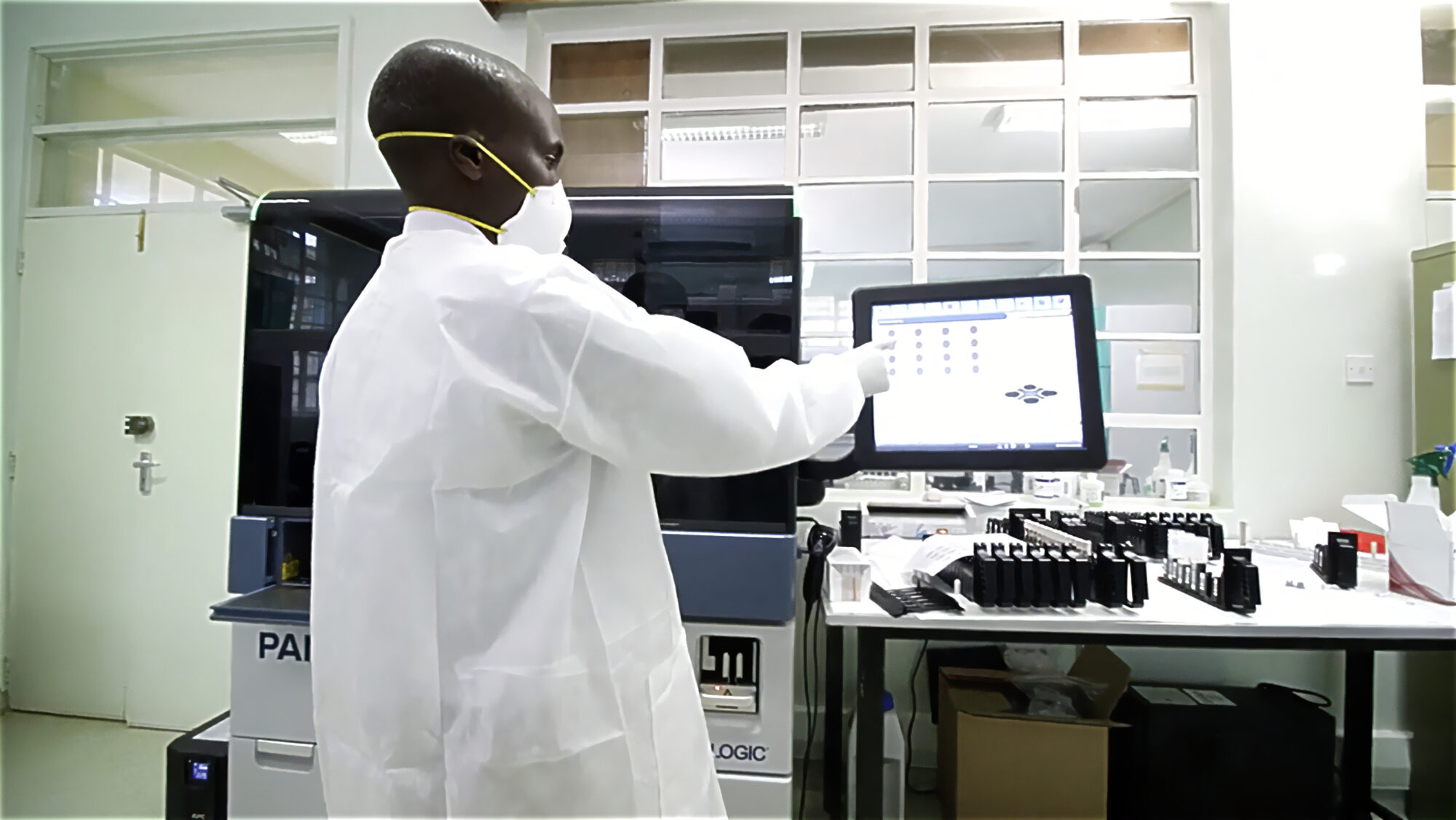
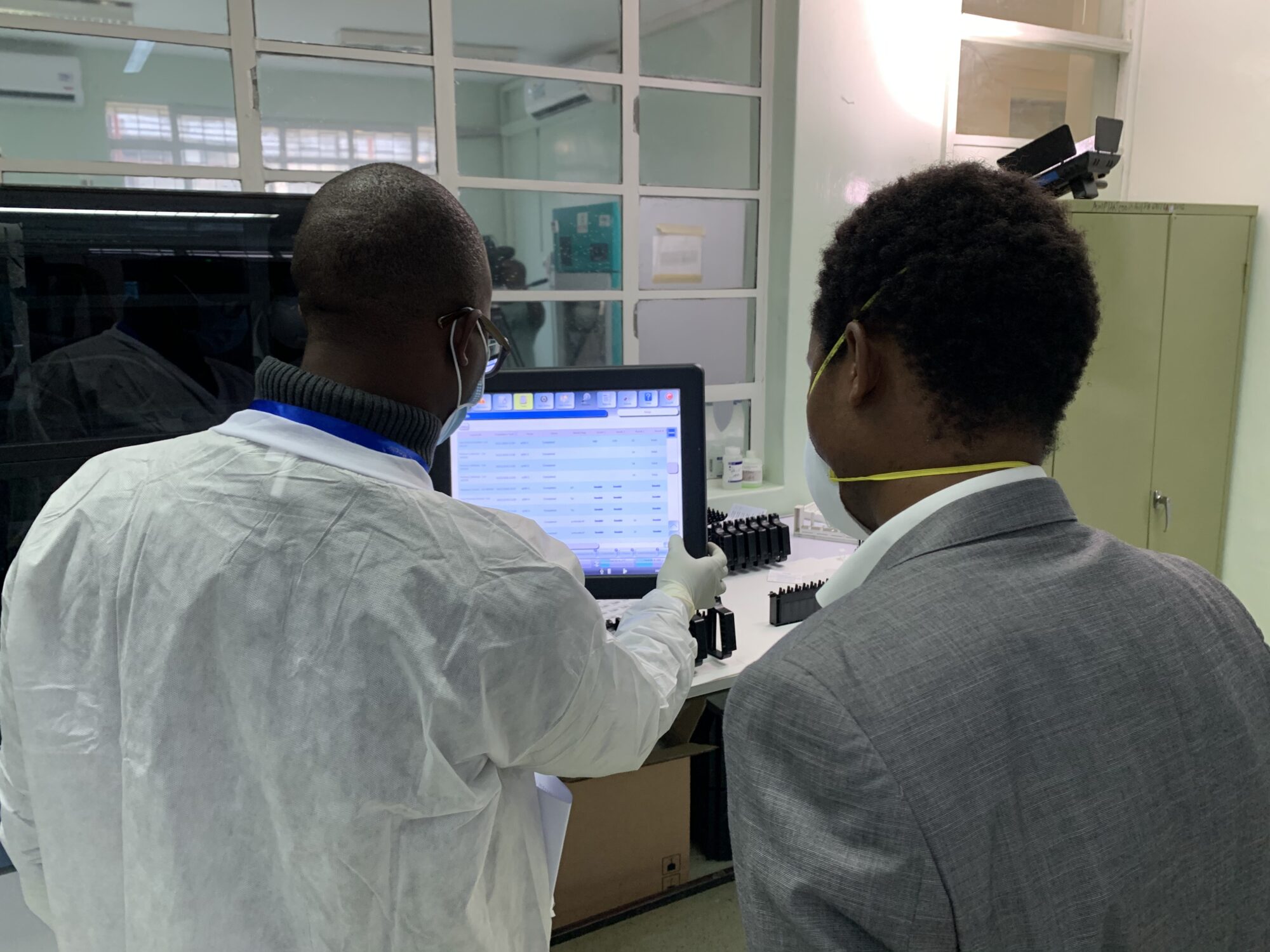
Hologic’s Panther® platform provides fully automated molecular testing for HIV, viral hepatitis, human papillomavirus and COVID-19. Its sample-to-result automation can run 320 tests in 8 hours, providing health care professionals and patients with faster access to accurate viral load or diagnostic results to support treatment decisions.

The Panther® platform can test for a range of illnesses simultaneously. In countries with high rates of coinfections alongside HIV, it can reduce the time patients wait for test results and lead to improved care.

Hologic's Panther platform

The partnership

MedAccess provided a volume guarantee to Hologic, agreeing to make up any shortfall in the agreed sales volumes.

Hologic agreed to register Panther® for use in 50 low- and middle-income countries, and set a multi-country, all-inclusive ceiling price of $12 per patient test (a 30% price reduction on all products and services required to generate an HIV viral load test result), including the cost of placing the instrument, consumables and reagents, staff training and instrument service and maintenance. This was the first time a company had offered an all-inclusive price for viral load testing.

The Clinton Health Access Initiative (CHAI) supported the formation of the partnership and is responsible for monitoring the implementation of the agreement.

Our innovative finance products

Impact by end-2022

By the end of the agreement:

13

countries switched to all-inclusive tender process

$45m

direct savings for procurers

13

countries now have more than two suppliers of viral load testing

The impact

By the end of the agreement in 2022, our guarantee had helped bring a new level of consistency and transparency, improved platform maintenance, and a new approach to procurement by funders. This has helped to stimulate price reductions up to 50% in some countries.

The introduction of the all-inclusive pricing framework improved procurement practices in the wider market, allowing for improved price transparency for HIV viral load procurement.

Supply security also improved with Hologic registering Panther® in 13 new countries where there were previously limited competitors.

The partnership has resulted in 932,000 patients benefitting from improved clinical outcomes and $45 million savings by purchasers.

Read case study

How we calculated the impact of this agreement

Lives changed

Impact was based on estimates of the total reach of guaranteed tests and the depth of impact on patients by those tests. The depth factor was derived from the proportion of people receiving a viral load test that will switch to second-line antiretroviral therapy and the HIV-related mortality and disability burdens in Africa.

Money saved

Impact was estimated based on actual price reductions achieved throughout the course of the volume guarantee.

Markets shaped

We work with partners, including donors, procurers and ministries of health, to track changes in health markets where our investments are supporting access to products. We monitor for changes to policy, procurement practices and supplier movement, all of which affect markets and contribute to the long-term sustainability of our investments. To quantify change against a baseline, we used publicly available indicators as proxies for market-wide change.

Synergy: Medical oxygen

Medical oxygen is essential for both routine and critical care, yet supplies across East Africa remain limited.

Since 2025, we have partnered with Kenyan supplier Synergy, providing a volume guarantee to increase access to locally produced oxygen as part of the East Africa Programme on Oxygen Access (EAPOA).

© olovedog / iStock

The challenge

Public health 

Low blood oxygen, or hypoxemia, is a serious problem caused by issues with blood flow or breathing. It can occur with anaemia, heart disease, tuberculosis, asthma, COPD, and pneumonia, and is a major risk during surgery, labour and delivery. 

In low- and middle-income countries (LMICs), one in six children under five and one in five newborns admitted to hospitals suffer from hypoxemia. Also, 15% of pregnant women may face life-threatening complications needing emergency oxygen. Hypoxemia can increase the risk of death by up to seven times, causing over one million preventable deaths yearly in these countries. 

The only treatment for hypoxemia is medical oxygen. It is deemed essential but is underfunded. Up to 56% of healthcare facilities in LMICs struggle with limited or no oxygen supply. Access to oxygen in East Africa is even lower; reports indicate that in Kenya and Tanzania, fewer than 40% of public healthcare facilities have oxygen consistently available. 

Market situation

In LMICs, hospitals and clinics often buy oxygen in small amounts, which means they pay more because they can’t get bulk discounts. They usually buy oxygen in cylinders and have to transport it over long distances, which adds to the cost. This process is expensive and inefficient, making it hard for health facilities to afford enough oxygen. As a result, demand remains limited discouraging investment in better oxygen production and distribution systems.

The COVID-19 pandemic highlighted the need for better oxygen systems. While many initiatives have focused on raising funds and improving oxygen storage and distribution, there has been less emphasis on increasing a sustainable oxygen supply. This broader focus is essential to ensure that oxygen systems are strong and reliable, not just during pandemics but at all times. 

Projected impact

By 2029:

Note: These are projections for the combined impact generated by volume guarantees for Hewatele and Synergy. 

840,000

Patients receiving oxygen supplied under our volume guarantees

126,000

Critically-ill patients receiving oxygen

$6m

Savings for procurers, including hospitals and regional health authorities

The product

Medical oxygen can be manufactured either in liquid or gaseous form. Because it takes up far less space than gas, liquid oxygen is easier to store, transport, and deliver at scale – making it more cost-effective.

On delivery to the health facility, liquid oxygen is stored in on-site tanks, piped through centralised piping and vaporised at the patient’s bedside.

Synergy will manufacture liquid oxygen at its new state-of-the-art facility near Kilifi County, Kenya, which is currently under construction, as part of the EAPOA’s efforts to boost regional production of medical-grade liquid oxygen.

The partnership

MedAccess provided a volume guarantee to Synergy Gases Ltd.

Synergy has agreed to provide medical oxygen at a ceiling price of KSH 165 (US$ 1.27) / liquid litre ex-works from its production facility in Kilifi County. This is an estimated reduction of more than 25% vs. current market prices.

The EAPOA partners are providing a range of targeted support. Funded by Unitaid, with contributions from Canada and Japan, the programme uses a blended financing model that combines catalytic grant funding with market-shaping tools such as volume guarantees, provided by MedAccess where appropriate. The implementation of the project is led by CHAI in collaboration with PATH and the governments of Kenya and Tanzania.

Impact projections

MedAccess’ first agreement with a local manufacturer focused on a regional market will increase access to a lifesaving health product whilst strengthening a fragmented, volatile market.

Lives changed

We project that hospitals and health facilities will be able to provide access to oxygen for an additional 261,000 over the four-year lifespan of this agreement. Of these people, we project that 39,000 will be critically ill and in urgent need of oxygen.

Money saved

We project that procurers – including local health authorities and individual hospitals – will benefit from cost savings of more than $3 million.

Markets shaped

We project that this guarantee will improve supply security for oxygen in Kenya and across East Africa by strengthening local manufacturing, increasing competition in the market and improving transparency in procurement of oxygen.

How we calculate the impact of this agreement

Lives changed

Patient outcomes are estimated based on the proportion of patients in hospitals receiving oxygen expected to be in critical care.

Money saved

Direct savings are estimated based on current available market prices for liquid oxygen in Kenya and Tanzania.

Markets shaped

We work with partners, including donors, procurers and Ministries of Health, to track changes in health markets where our investments are supporting access to products. We monitor for changes to policy, procurement practices and supplier movement, all of which affect markets and contribute to the long-term sustainability of impact.
Hewatele: Medical oxygen

Medical oxygen is essential for both routine and critical care, yet supplies across East Africa remain limited.

Since 2025, we have partnered with Kenyan supplier Hewatele, providing a volume guarantee to increase access to locally produced oxygen as part of the East Africa Programme on Oxygen Access (EAPOA).

The challenge

Public health

Low blood oxygen, or hypoxemia, is a serious problem caused by issues with blood flow or breathing. It can occur with anaemia, heart disease, tuberculosis, asthma, COPD, and pneumonia, and is a major risk during surgery, labour and delivery.

In low- and middle-income countries (LMICs), one in six children under five and one in five newborns admitted to hospitals suffer from hypoxemia. Also, 15% of pregnant women may face life-threatening complications needing emergency oxygen. Hypoxemia can increase the risk of death by up to seven times, causing over one million preventable deaths yearly in these countries.

The only treatment for hypoxemia is medical oxygen. It is deemed essential but is underfunded. Up to 56% of healthcare facilities in LMICs struggle with limited or no oxygen supply. Access to oxygen in East Africa is even lower; reports indicate that in Kenya and Tanzania, fewer than 40% of public healthcare facilities have oxygen consistently available.

Market situation

In LMICs, hospitals and clinics often buy oxygen in small amounts, which means they pay more because they can’t get bulk discounts. They usually buy oxygen in cylinders and have to transport it over long distances, which adds to the cost. This process is expensive and inefficient, making it hard for health facilities to afford enough oxygen. As a result, demand remains limited discouraging investment in better oxygen production and distribution systems.

The COVID-19 pandemic highlighted the need for better oxygen systems. While many initiatives have focused on raising funds and improving oxygen storage and distribution, there has been less emphasis on increasing a sustainable oxygen supply. This broader focus is essential to ensure that oxygen systems are strong and reliable, not just during pandemics but at all times.

Projected impact

By 2029:

Note: These are projections for the combined impact generated by volume guarantees for Hewatele and Synergy. 

840,000

patients receiving oxygen supplied under our volume guarantees

126,000

critically-ill patients receiving oxygen

$6m

savings for procurers, including hospitals and regional health authorities

The product

Medical oxygen can be manufactured either in liquid or gaseous form. Because it takes up far less space than gas, liquid oxygen is easier to store, transport, and deliver at scale – making it more cost-effective.

On delivery to the health facility, liquid oxygen is stored in on-site tanks, piped through centralised piping and vaporised at the patient’s bedside.

Hewatele will manufacture liquid oxygen at its new state-of-the-art facility near Nairobi, Kenya, which is currently under construction, as part of the EAPOA’s efforts to boost regional production of medical-grade liquid oxygen.

The partnership

MedAccess provided a volume guarantee to Hewatele Limited.

Hewatele has agreed to provide medical oxygen at a ceiling price of KSH 165 (US$ 1.27)/kg ex-works from its production facility near Nairobi. This is an estimated ~20% reduction vs. current market prices.

This agreement complements a volume guarantee provided to Synergy, a Kenyan oxygen manufacturer, in July 2025. It is part of the EAPOA programme, which aims to increase access to oxygen in East Africa. The EAPOA partners are providing a range of targeted support. Funded by Unitaid, with contributions from Canada and Japan, the programme uses a blended financing model that combines catalytic grant funding with market-shaping tools such as volume guarantees, provided by MedAccess where appropriate. The implementation of the project is led by CHAI in collaboration with PATH and the governments of Kenya and Tanzania.

Impact projections

Our agreements with local manufacturers focused on regional markets will increase access to a lifesaving health product whilst strengthening a fragmented, volatile market.

Lives changed

We project that hospitals and health facilities will be able to provide access to oxygen for a total 840,000 patients as part of the EAPOA. Of these patients, we project that 126,000 will be critically ill and in urgent need of oxygen.

Money saved

We project that procurers – including local health authorities and individual hospitals – will benefit from cost savings of more than $6 million.

Markets shaped

We project that this guarantee will improve supply security for oxygen in Kenya and across East Africa by strengthening local manufacturing, increasing competition in the market and improving transparency in procurement of oxygen.

How we calculate the impact of this agreement

Lives changed: Patient outcomes are estimated based on the proportion of patients in hospitals receiving oxygen expected to be in critical care.

Money saved: Direct savings are estimated based on current available market prices for liquid oxygen in Kenya and Tanzania.

Markets shaped: We work with partners, including donors, procurers and Ministries of Health, to track changes in health markets where our investments are supporting access to products. We monitor for changes to policy, procurement practices and supplier movement, all of which affect markets and contribute to the long-term sustainability of impact.
Subscribe to our newsletter

Receive regular updates about how our innovative finance work is making healthcare products more affordable and accessible.
"*" indicates required fields

This field is for validation purposes and should be left unchanged.
Close